
Silent Signs Of Hypertension You’re Probably Ignoring And Why Regular BP Checks Matter Most
Credit: istockphoto

Hypertension, often called the ‘silent killer,’ quietly damages the heart, brain, kidneys, and eyes without obvious symptoms. Subtle signs like morning headaches, unexplained fatigue, dizziness, shortness of breath, blurred vision, chest discomfort, or even nosebleeds are often dismissed as stress or lifestyle issues. In India, high salt diets, sedentary routines, and chronic stress make hypertension increasingly common even among younger adults.
Hypertension, or high blood pressure, is often called the ‘silent killer’ because it creeps in quietly, without dramatic symptoms, yet causes long-term damage to the heart, brain, kidneys, and eyes. In India, where stress, sedentary lifestyles, and salty diets are increasingly common, hypertension is rising sharply even among younger adults. The tragedy is that many people dismiss subtle signs as routine fatigue or stress, ignoring the body’s early warnings.
Blood pressure is the force of blood pushing against artery walls. When consistently high, it strains the cardiovascular system. Unlike fever or pain, hypertension doesn’t announce itself loudly. Instead, it manifests through vague, everyday complaints, headaches, dizziness, fatigue, that people often attribute to work pressure, poor sleep, or age.
1. Frequent Headaches
Morning headaches or a feeling of pressure in the head can be linked to elevated blood pressure. While headaches have many causes, persistent ones should prompt a check-up.
2. Unexplained Fatigue
Feeling drained despite adequate rest may signal that your heart is working harder to pump blood against resistance.
3. Dizziness or Light-headedness
Sudden dizziness, especially when standing up, can indicate unstable blood pressure.
4. Shortness of Breath
Climbing stairs or walking briskly shouldn’t leave you gasping. Breathlessness may point to hypertension affecting heart and lung function.
5. Blurred Vision
High blood pressure damages tiny blood vessels in the eyes, leading to vision disturbances.
6. Chest Discomfort or Palpitations
Subtle chest tightness or irregular heartbeats may be early cardiovascular stress signals.
7. Nosebleeds
Though less common, recurrent nosebleeds can occur when blood pressure spikes sharply.
Overlap with daily stress: Fatigue, headaches, and dizziness are often dismissed as lifestyle issues.
Younger age bias: Many in their 30s believe hypertension is only an ‘older person’s disease.’
Cultural habits: In India, chai, salty snacks, and late-night meals are normalized, masking risk factors.
Lifestyle Factors Driving Hypertension in India
High salt intake: Pickles, papads, packaged snacks, and restaurant food are salt-heavy.
Sedentary routines: Desk jobs and long commutes reduce physical activity.
Stress culture: Competitive workplaces and urban living fuel chronic stress.
Poor sleep: Screen time and irregular schedules disrupt rest.
Family history: Genetics play a strong role, especially in South Asian populations.
The Hidden Damage of Ignoring Signs
Unchecked hypertension silently damages vital organs:
Heart: Leads to heart attacks, heart failure, and left ventricular hypertrophy.
Brain: Increases risk of stroke and cognitive decline.
Kidneys: Causes chronic kidney disease.
Eyes: Leads to hypertensive retinopathy and vision loss.
Ayurveda doesn’t name hypertension directly but associates it with imbalances in Vata and Pitta. Stress, irregular routines, and excessive salt are seen as aggravating factors. Remedies include:
Diet: Light, cooling foods like cucumber, coconut water, and leafy greens.
Lifestyle: Regular yoga, pranayama, and meditation.
Herbs: Arjuna bark, Ashwagandha, and Brahmi for calming the nervous system.
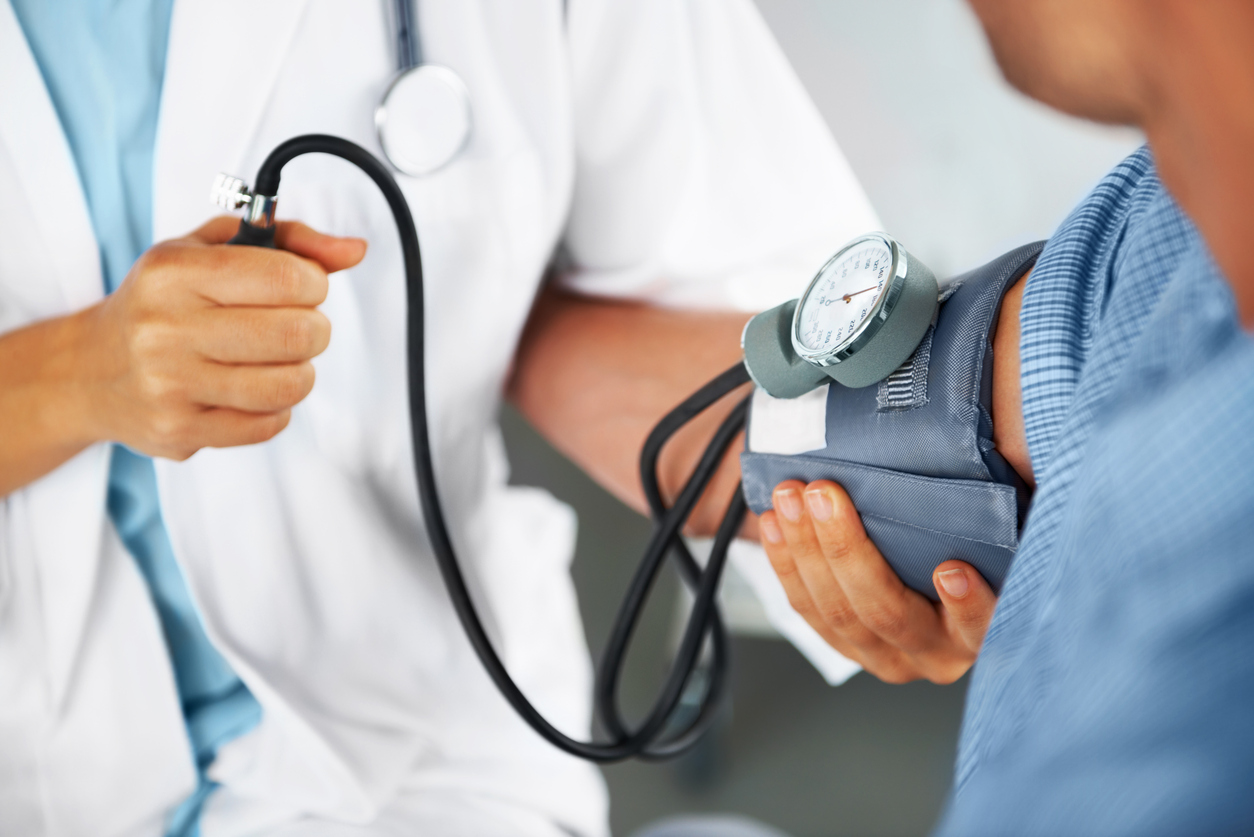
Doctors emphasize that hypertension is best detected through regular blood pressure monitoring. Silent signs are unreliable alone. Preventive screening is crucial, especially for adults over 30 or those with family history.
1. Regular Screening
Check blood pressure annually after age 30.
Home BP monitors can help track trends.
2. Diet Adjustments
Reduce salt: Limit pickles, papads, and processed foods.
Increase potassium: Bananas, spinach, coconut water.
Choose whole grains, pulses, and seasonal fruits.
3. Lifestyle Changes
Exercise: 30 minutes of brisk walking or yoga daily.
Stress management: Meditation, deep breathing, or hobbies.
Sleep hygiene: 7–8 hours of quality rest.
4. Medical Consultation
Don’t ignore persistent headaches, fatigue, or vision issues.
Consult a doctor for personalized advice.
Risks of Ignoring Silent Signs
1. Sudden stroke: High BP can rupture brain vessels.
2. Heart attack: Silent strain weakens arteries.
3. Kidney failure: Damage accumulates unnoticed.
4. Vision loss: Retinal damage progresses silently.
Hypertension doesn’t shout, it whispers through subtle signs. Frequent headaches, unexplained fatigue, dizziness, or blurred vision may be your body’s way of warning you. In India’s fast-paced lifestyle, it’s easy to dismiss these signals. But ignoring them can cost your health, even your life.
The solution is simple yet powerful: regular blood pressure checks, balanced diet, active lifestyle, and stress management. Whether through Ayurveda’s wisdom or modern medicine’s precision, prevention is always better than cure.
Case Study: Urban India’s Hypertension Crisis
Ravi, a 35-year-old IT professional in Bengaluru, ignored his frequent headaches and fatigue, attributing them to long work hours. A routine health check revealed blood pressure at 160/100 mmHg. With lifestyle changes like reducing salt, walking daily, and practicing yoga his readings normalized within six months. His story reflects a growing trend: hypertension is no longer confined to older adults.
FAQs
How can I differentiate between normal fatigue and fatigue caused by hypertension?
Fatigue caused by hypertension often persists despite adequate rest and may accompany other subtle signs like headaches or dizziness. Unlike ordinary tiredness, it indicates the heart is straining to pump blood against high pressure. If fatigue is unexplained and recurrent, especially with these symptoms, consulting a doctor for blood pressure assessment is advised.
What lifestyle changes are most effective in managing hypertension in the Indian context?
Key lifestyle changes include reducing high salt foods like pickles and papads, engaging in at least 30 minutes of daily exercise such as brisk walking or yoga, managing stress through meditation or deep breathing, maintaining good sleep hygiene with 7–8 hours of rest, and increasing intake of potassium-rich foods like bananas and spinach.
How does Ayurveda approach hypertension compared to modern medicine?
Ayurveda associates hypertension with imbalances in Vata and Pitta doshas caused by stress, irregular routines, and excess salt. It recommends light, cooling diets (cucumber, coconut water), lifestyle practices like yoga and meditation, and calming herbs such as Arjuna bark and Ashwagandha. Modern medicine emphasizes regular blood pressure monitoring and medical intervention when necessary.
What risks does ignoring silent signs of hypertension pose to health?
Ignoring silent hypertension signs can lead to severe complications including stroke due to ruptured brain vessels, heart attacks from arterial strain, chronic kidney disease from unnoticed damage, and vision loss caused by hypertensive retinopathy. Early detection and management are crucial to prevent these outcomes.
Is regular home blood pressure monitoring reliable for early detection of hypertension?
Yes, home blood pressure monitors can effectively track blood pressure trends and complement annual screenings after age 30. However, home measurements should be done correctly and interpreted alongside medical advice for accurate detection and management.
At marvelof.com, we spotlight the latest trends and products to keep you informed and inspired. Our coverage is editorial, not an endorsement to purchase. If you choose to shop through links in this article, whether on Amazon, Flipkart, or Myntra, marvelof.com may earn a small commission at no extra cost to you.