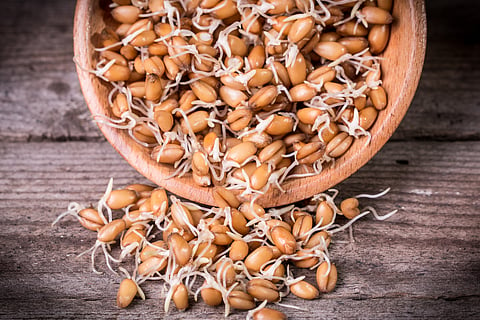

Sprouted wheat is easier to digest because the sprouting process converts starches into simpler forms and proteins into amino acids.
Photo Credit: istockphoto

Sprouted wheat transforms ordinary grain into a nutrient powerhouse. Studies show it eases digestion, lowers blood sugar, enhances nutrient absorption, and protects the liver. Rich in antioxidants and fiber, it supports immunity, energy, and long‑term health. Porridge, salad, or roti in the morning offers an affordable, natural way to improve wellness.
Wheat germs, also known as wheat seeds that have been soaked in water until sprouts appear, are far from the flour stored in your pantry.
As soon as the sprouting process starts, the grain undergoes incredible internal changes. Enzymes wake up, nutrients multiply and compounds that previously blocked the intake of good stuff, neatly disintegrate. This then results in a food your body can really utilise.
If you have been eating regular wheat throughout your life and you have digestive issues, slowness or energy dips in mid-morning, you may well want to learn a bit more about sprouted wheat.
Most gut complaints such as gas, bloating, heaviness in the stomach after eating or constipation, are the result of foods your gut struggles to cope with.
Sprouted wheat is far easier to digest than unsprouted wheat. The starches within the grain become simpler during the sprouting phase and the proteins begin to convert to amino acids, which your body then takes directly from the wheat.
Antinutrients in raw grain that interfere with the digestion process are eliminated.
There is also the issue of fiber. Research has proven that sprouting wheat increases the amount of soluble fiber by thrice. Soluble fiber is highly beneficial to your digestive system because it helps to nourish the good bacteri
Many people don't even eat half of the fibre their bodies require each day and starting your day with sprouted wheat is an easy, supplement-free way to improve intake.
This is an area where sprouted wheat offers real benefits, especially for those managing, or trying to prevent diabetes.
A randomized crossover study was published in The Journal of Nutrition, which monitored blood glucose levels in overweight men when consuming various types of bread: White, sourdough, 11-grain and sprouted grain bread.
The result of the sprouted grain bread was significantly lower blood glucose level compared with white and sourdough, and the insulin production was also stimulated to release more GLP-1 hormone, which helps you feel fuller and also supports regulation of insulin levels; this helps you stay satisfied longer.1
This occurs because resistant starch levels in wheat increase when it is sprouted. This carbohydrate bypasses the small intestine without being rapidly broken down. Glucose is released slower into your blood stream, which is ideal in the first meal of your day.
It's one thing to eat healthily, but another thing altogether to actually absorb the nutrients from that healthy food.
Wholewheat has antinutrients like phytic acid that are problematic, as they can hinder the absorption of minerals such as iron, zinc and magnesium and in effect you lose these essential minerals from the body.
Phytic acid in wholewheat disintegrates when wheat is sprouted, and a 2024 review published in Food Chemistry indicated that spore growth leads to a rise in nutrients absorbed in the body.2
In other words, more of what you eat gets to your cells. Vitamins also increase during sprouting and this is most noticeable for B vitamins and Vitamin C (rare in other grains), thus creating a more nutritionally valuable food compared with flour from non-sprouted wheat throughout the day.
The incidence of non-alcoholic fatty liver disease (NAFLD) – a build-up of fat within the liver – is silently increasing, often without obvious symptoms until it’s in a more serious stage.
Research conducted at Wonkwang University in South Korea (2023), published in the journal Food Science and Biotechnology showed that wheat sprouts had the effect of reducing fat accumulation within liver cells and also reduced certain levels within the liver itself that are involved in liver damage.
The scientists involved in the study identified specific mechanisms by which compounds present in the wheat sprouts affect the liver. Although the research has been completed in controlled conditions, it indicates there is a tangible mechanism and this is not simply a feel-good hypothesis.3
For the many people consuming modern, processed diets who aren't concerned about their liver until disease manifests, this protection is subtle but significant.
Free radicals are harmful molecules, which through the stress of modern life, poor diet, pollutants and even internal functions, can cause damage to cells and lead to serious long-term health problems. Antioxidants fight these free radicals.
Sprouted wheat is far more potent when it comes to antioxidants compared to standard wheat.
An enzyme present in wheat called phenylalanine ammonia-lyase is activated, and through its action plant compounds develop that provide powerful antioxidant and anti-inflammatory effects, and these result in more cells that are resistant to damage, improved skin health and can reduce the long-term risk of cancer and heart disease.
Practical considerations - how do you consume sprouted wheat daily without making it feel like a burden?
Place wheat berries in water overnight. After that, drain them and rinse them again before leaving them in a covered bowl at room temperature for 24 to 48 hours.
Once the sprouts have grown sufficiently long, you can consume them directly, add lemon and salt to them, steam them, use them in your salads, or turn them into porridge.
Others also dry the sprouted wheat and grind it into flour before making rotis, which are delicious but require a little adjustment to their texture.
The key is consistency, these health benefits aren't from eating them once, but from making this part of the start to your day.
Sprouted wheat is not a superfood in the marketing sense of the word, but it is simply an age-old food that is prepared in a slightly different way to deliver improved health benefits. There is no demand for anything unusual from you - just a bowl of water, patience and a simple shift in habit.
Your digestion, your blood sugar levels, your liver and the way you feel hours after your morning meal will probably benefit before you are even aware of the change.
How does sprouted wheat compare to regular wheat in terms of digestion?
Sprouted wheat is easier to digest than regular wheat because the sprouting process converts starches into simpler forms and proteins into amino acids, while eliminating antinutrients that interfere with digestion. Additionally, sprouted wheat has three times more soluble fiber, which nourishes good gut bacteria and improves digestive health.
What are the blood sugar benefits of eating sprouted wheat in the morning?
Sprouted wheat helps regulate blood sugar by increasing resistant starch, which slows glucose release into the bloodstream. A study showed sprouted grain bread causes significantly lower blood glucose spikes and promotes GLP-1 hormone release, which helps regulate insulin and prolongs satiety, making it ideal for managing or preventing diabetes.
How can I easily incorporate sprouted wheat into my daily breakfast routine?
To include sprouted wheat daily, soak wheat berries overnight, rinse and leave them covered at room temperature for 24–48 hours until sprouts appear. You can then eat them raw, steamed, added to salads, or made into porridge. Some dry and grind them into flour for recipes like rotis. The key is consistent consumption for lasting health benefits.
Does sprouted wheat improve nutrient absorption compared to wholewheat flour?
Yes, sprouting wheat reduces phytic acid and other antinutrients that hinder mineral absorption. This process increases bioavailability of key minerals such as iron, zinc, and magnesium, along with raising levels of B vitamins and vitamin C, resulting in better nutrient uptake and utilization by the body compared to non-sprouted wholewheat flour.
Is there scientific evidence supporting sprouted wheat's protective effects on the liver?
Research from Wonkwang University (2023) demonstrated that wheat sprouts can reduce fat accumulation in liver cells and decrease markers associated with liver damage. These findings suggest compounds in sprouted wheat may help protect against non-alcoholic fatty liver disease, providing a subtle but significant benefit for liver health.
References:
1. National Library of Medicine | The Acute Impact of Ingestion of Sourdough and Whole-Grain Breads on Blood Glucose, Insulin, and Incretins
2. National Library of Medicine | Effect of Different Wheat Sprouting Conditions on the Characteristics of Whole-Wheat Flour
3. National Library of Medicine | Wheat sprouts (Triticum aestivum Linn.) cultured by a smart farm system ameliorate NAFLD
Disclaimer: This content is for general informational purposes only and should not replace professional medical advice. Always consult a qualified healthcare provider with any questions about your health or treatment options.
At marvelof.com, we spotlight the latest trends and products to keep you informed and inspired. Our coverage is editorial, not an endorsement to purchase. If you choose to shop through links in this article, whether on Amazon, Flipkart, or Myntra, marvelof.com may earn a small commission at no extra cost to you.