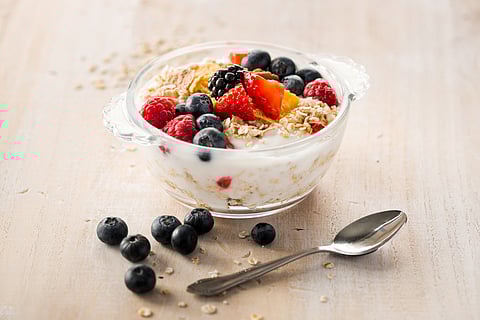

Choosing whole grain, high‑fiber, low‑sugar cereals like oats, bran flakes, shredded wheat, and muesli makes breakfast truly healthy.
Photo Credit: istockphoto

Most cereals are sugary snacks in disguise, but choosing wisely can transform breakfast into a health boost. Whole grain oats, bran flakes, shredded wheat, muesli, and wheat biscuits provide fiber, stable energy, and heart benefits. The key is reading labels, whole grains first, fiber above 3g, and sugar under 6g per serving.
In the mornings, everyone is pressed for time. You take a box off the shelf, you pour the content into a bowl, add milk and say that breakfast is ready.
Breakfast cereals are almost an automatic choice for many people who consume them daily. However, there is one fact no one likes to advertise, yet it is written on every box you see on the shelves, the vast majority of cereals you might consider eating are rather snacks than products.
Luckily, that does not mean that there is nothing left to choose from among cereals to make them your healthy breakfast meal.
The right selection of cereals provides with the portion of fiber, wholesome grain, vitamin content, and a healthy portion of energy for a long day ahead.
Which cereals should be consumed? Let's find out.
It's always best to start with a little reality check before delving into anything else. In May 2025, JAMA Network Open published an extensive study that looked at over 1,200 different varieties of ready-to-eat cereals.
The result was a worrying trend in many cereals, especially the ones marketed toward children, from 2010 until 2023. Specifically, fat, salt, and sugar was there. Protein and fiber went down.1
Harvard Health, which covered the findings, noted that popular names in the cereal aisle often carry substantial sugar, minimal protein, and a long list of additives, with much of their nutritional value coming from the milk you add, not the cereal itself.
But it is not all bad news. A separate review published in the journal Nutrients, covering 51 studies from five countries including the UK, US, France, Canada, and Ireland, found that people who ate cereal regularly had a 22 per cent lower risk of developing type 2 diabetes.2
The key word is which cereal. The benefit came from whole grain, low-sugar options, not the frosted, brightly colored variety.
The takeaway is that cereal can be healthy. You just have to know what to look for.
Before you even think about grabbing a box of cereal, here’s what actually matters every time:
Check for whole grains. Scan the ingredients list - whole wheat, whole oats, or just whole grain needs to come first.
If you see wheat flour or corn flour without the 'whole,' you’re not getting the real deal. Those versions have most of the good stuff taken out.
Pay attention to fiber. Aim for at least 3 grams per serving. Fiber is what keeps you full, helps your digestion work right, and levels out your blood sugar after eating.
Watch the sugar. Anything with more than 6 grams of added sugar per serving is just too much for breakfast. And if sugar pops up in the first three ingredients? That’s a clear no.
Ask almost any nutrition expert and they will probably say plain oats, forget the sweetened packets, are one of the best breakfasts around.
Oats are loaded with beta-glucan, a type of fiber that’s really good for your heart. The British Heart Foundation flat-out calls porridge their top heart-healthy pick. Just 3 grams of beta-glucan a day, built into your meals, can help lower cholesterol.
A serving, about 40 grams of oats with semi-skimmed milk, gets you roughly 272 calories, a solid hit of protein, and zero added sugar or salt. oss in a banana or some berries, and you’ve got a balanced breakfast.
This breakfast cereal is one of the simplest you can find. And that is precisely why it’s so good. It is simply whole wheat, compacted, and baked without any added sugars or salts.
The Academy of Nutrition and Dietetics even highlights it as one of the top cereals because it’s packed with fiber and doesn’t hide any extras. It might not be thrilling on its own, but with fruit and milk, it’s filling and genuinely healthy.
When it comes to fiber, bran flakes don’t mess around. Made with wholegrain wheat, which is the bit that contains the majority of fiber, and will therefore contain both soluble and insoluble fiber.
Digestion benefits, health of the heart, and satiety (they make you feel fuller for longer). However be cautious that many brands contain sugar and salt amounts not as clearly stated as you may think. You should choose ones with under 5g of sugar and under 400mg of salt per 100g.
Unsweetened muesli is one of the most nutrient-rich cereals you can purchase. A good quality muesli would incorporate oats, nuts, seeds and dried fruit, all good sources of fiber and natural energy (without added sugar) and contain healthy fats.
The catch is, many shop-bought muesli's are loaded with sugar in the form of honey, chocolate chips or syrups which drastically increase the sugar content of your meal.
You should opt for a no-added sugar variety. Swiss style soaked muesli- sometimes known as Bircher muesli- which can be soaked in milk overnight, aids digestion greatly and is an excellent option if you tend to dislike a large breakfast early in the morning.
Plain wheat biscuits made with whole grains are an other excellent choice. They are low in sugar, moderate in fiber, and filling enough to carry you through a few hours.
Their simple ingredient list is a selling point. When a cereal has fewer than five ingredients and all of them are recognizable, that is usually a good sign.
Pair them with milk and a piece of fruit and you cover several nutritional bases in one go.
Generally avoid products where sugar appears first on the ingredients, contains artificial colors, or big claims on the packaging are juxtaposed by the small print on the back stating that the sugar content is high.
Examples include chocolate or honey-based granola, frosted flakes, sugared puffed rice, and most breakfast cereals intended for children.
The Harvard Health report put it plainly, many well-known cereals are essentially cookies in disguise.
Here is a simple quick test to try out in the supermarket. Turn the box over. If whole grain is the first ingredient, fiber is more than 3g per serving and sugar is less than 6g per serving you are looking at a fair choice, otherwise put it back!
Not all breakfast cereals have to be the evil food stuff that they often seem to be. Oatmeal, shreddies, simple muesli, bran flakes and whole grain wheat biscuits are all very healthy choices-they give you fiber, slow-released energy and heart-health benefits without first filling you with loads of sugar!
So all in all, it's often just three things, which are going to make or break a cereal's health quality-the presence of whole grain, amount of fiber and the quantity of sugar the manufacturer has cunningly added.
The research is clear on this. The choices are genuinely not that hard. You just have to know what to look for, and now you do
How can I identify a healthy cereal from the packaging?
Look for cereals where whole grains (like whole wheat or whole oats) are the first ingredient, fibre content is at least 3 grams per serving, and added sugar is below 6 grams per serving. Avoid products with sugar listed among the top three ingredients or containing artificial colors and excessive additives.
Why are oats considered one of the healthiest cereals?
A: Oats are packed with beta-glucan, a soluble fiber that helps lower cholesterol and supports heart health. A typical serving has no added sugar or salt, provides good protein, and keeps you full longer. Adding fruits enhances the nutritional profile without extra sugar.
How do bran flakes compare to other high-fiber cereals?
Bran flakes are rich in both soluble and insoluble fiber, aiding digestion and increasing satiety. However, some brands may contain notable sugar and salt, so choose bran flakes with under 5g sugar and 400mg salt per 100g for the healthiest option.
What should I avoid in breakfast cereals to ensure better health outcomes?
Avoid cereals with sugar as a primary ingredient, artificial colors, high salt, or added sweeteners like honey or chocolate chips. Many children's cereals and frosted varieties are high in sugar and lack nutritional benefit, essentially acting like snacks rather than breakfast.
Can eating healthy cereals reduce the risk of type 2 diabetes?
Yes. Studies indicate that regular consumption of whole grain, low-sugar cereals is associated with a 22% lower risk of developing type 2 diabetes. The health benefits do not extend to sugary or highly processed cereal types.
References:
1. JAMA Network | Nutritional Content of Ready-to-Eat Breakfast Cereals Marketed to Children
2. National Library of Medicine | The Benefits of Breakfast Cereal Consumption
Disclaimer: This content is for general informational purposes only and should not replace professional medical advice. Always consult a qualified healthcare provider with any questions about your health or treatment options.
At marvelof.com, we spotlight the latest trends and products to keep you informed and inspired. Our coverage is editorial, not an endorsement to purchase. If you choose to shop through links in this article, whether on Amazon, Flipkart, or Myntra, marvelof.com may earn a small commission at no extra cost to you.