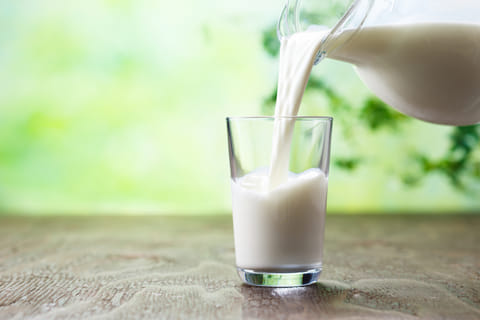

A pure glass of milk - nourishing, yet debated when mixed with salt.
Photo Credit: istockphoto

The age old debate over adding salt to milk pits Ayurvedic wisdom against modern food science. Ayurveda warns of toxins and indigestion, while nutritionists highlight flavor benefits but caution about calcium loss and bone health. Emerging alternatives like milk minerals offer compromise, yet experts advise caution for sensitive digestion and osteoporosis risk.
There has been a controversy surrounding the use of salt on milk since ages. While putting salt in milk or milk tea is quite common, current scientific analysis and ancient Ayurvedic knowledge suggest that the effects of such a practice may not be as simple as thought before.
Ayurveda prescribes separating milk from salt calling it 'viruddha ahara' or incompatible food combinations. According to Ayurvedic beliefs, milk is intrinsically cooling while salt is inherently heating. In Ayurvedic scriptures, it is mentioned that the union between these two contradictory properties hinders the proper functioning of the body’s Agni or digestive system, which leads to various diseases such as skin diseases, allergies and the creation of Ama (toxins) in the body.1
However, the realm of modern food science views salt and milk as natural partners. As a potent flavor enhancer, salt is believed to temper some of the naturally occurring bitterness in certain compounds and amplify the sweetness in milk's lactose component2 .
This is why salted caramel lattes and adding a dash of salt to a béchamel sauce is so palatable, it works to optimize the flavor profile at the molecular level.
From a physiological perspective, the most contentious point regarding the addition of salt to milk is the effect of sodium on calcium absorption. Calcium in milk is highly absorbable and essential for healthy bones and the heart.
Conversely, high levels of sodium have been linked with higher urinary losses of calcium.3
A number of studies have found that every 2 grams of sodium consumed (approximately one teaspoon of salt) results in a loss of 30 to 40 mg of calcium in the urine.
Thus, by consuming milk along with salt, you not only negate the positive effects of drinking milk but may even damage your bones over time.
High concentrations of salt will also decrease the overall stability of milk proteins and could potentially cause the casein proteins in the milk to aggregate.
Although useful in the creation of cheese, the protein aggregation may render liquid milk difficult to digest for some. Indigestion is believed to be a result of improper balancing of gastric acid, required for dense protein digestion, per Ayurvedic principles.
Additionally, high levels of sodium in any form may cause your body to retain excess fluid.
The issue of mixing salt and milk is not so clear-cut in all situations. One common innovation in modern food technology are "ilk minerals - natural salts from milk but with 80% less sodium than regular salt.
Milk minerals enhance savory flavors while containing more potassium, which may actually reduce blood pressure. 3
While a very small amount of salt added to a large pot of milk-based soup might do little damage, making a regular practice of drinking salted milk could have adverse effects over time.
The advice to separate salt and milk stands for those with sensitive digestion (pitta dosha in Ayurveda) and those at risk for osteoporosis.
Warm spices like cardamom or cinnamon will add flavorful warmth to milk without causing adverse effects.
Is it safe to add salt to milk according to Ayurveda?
Ayurveda advises against mixing salt and milk, categorizing them as 'Viruddha Ahara' or incompatible foods. Milk is cooling and Sattvic, while salt is heating and Rajasic. Their combination can disrupt digestive fire (Agni), potentially causing diseases like skin issues, allergies, and toxin buildup (Ama). Therefore, traditional Ayurvedic guidance recommends avoiding this combination to maintain digestive balance.
How does adding salt to milk impact calcium absorption?
Scientific studies report that sodium intake increases urinary calcium loss. Approximately 2 grams of sodium (one teaspoon of salt) can result in 30-40 mg of calcium lost in urine. This means consuming salt with milk may reduce calcium retention, potentially undermining milk’s bone health benefits and risking bone density over time.
Can salt in milk affect its digestibility?
High salt concentrations can reduce milk protein stability, causing casein proteins to aggregate. This protein aggregation may impair digestion for some individuals by affecting proper gastric acid balance. Consequently, salted milk might trigger indigestion, especially in those with sensitive digestive systems according to Ayurvedic Pitta dosha considerations.
Are there healthier alternatives to adding salt to milk for flavor?
'Milk minerals,' natural salts derived from milk with around 80% less sodium than regular salt, provide a savory flavor without the typical sodium risks. Additionally, warming spices like cardamom or cinnamon can add flavor without adverse effects, making them good alternatives to salt in milk preparations.
Does modern food science support or contradict Ayurveda on salt in milk?
Modern food science acknowledges that salt can enhance milk’s flavor by reducing bitterness and amplifying sweetness at a molecular level. However, it also highlights potential physiological drawbacks like increased calcium loss and protein aggregation. Thus, while culturally salt and milk are paired in foods, health concerns align partly with Ayurvedic cautions.
References:
1. ask-ayurveda.com |Salt And Milk Combination
2. wisdomlib| Salt and Cold Milk: A Study in Contrasts
3. Frontiers | High salt intake and bone health in postmenopausal women: exposing the lack of studies
4. Nordic Dairy C | Salt reduction by natural milk minerals
Disclaimer: This content is for general informational purposes only and should not replace professional medical advice. Always consult a qualified healthcare provider with any questions about your health or treatment options.
At marvelof.com, we spotlight the latest trends and products to keep you informed and inspired. Our coverage is editorial, not an endorsement to purchase. If you choose to shop through links in this article, whether on Amazon, Flipkart, or Myntra, marvelof.com may earn a small commission at no extra cost to you.