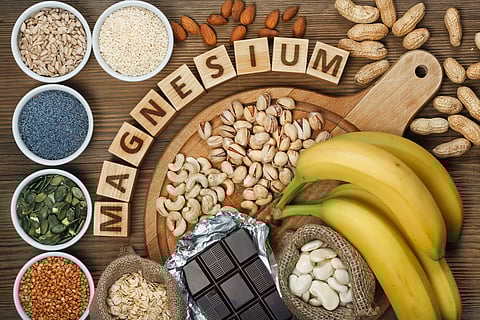

Magnesium is a vital nutrient because the body needs it to produce energy, maintain nerve function and regulate blood pressure.
Photo Credit: istockphoto

Magnesium is a vital mineral that powers over 300 body functions, from energy production to sleep regulation. Yet, nearly half of adults fail to meet daily needs, leading to fatigue, cramps, and health risks. Indian diets heavy in refined grains worsen deficiency. Simple food swaps like leafy greens, legumes, nuts, seeds, and whole grains, can restore balance naturally.
The constant feeling of fatigue, which you experience throughout the day might indicate that your body requires additional magnesium that is an essential mineral for humans.
Your kitchen contains multiple food items which provide magnesium and help you achieve both energetic performance, deep sleep and complete relaxation. Magnesium functions as a vital nutrient because the body needs it to produce energy and maintain nerve function and regulate blood pressure and build bone structure.
More than 300 biochemical processes occur in the human body because magnesium serves as a key element for these functions.
Most people lack this essential mineral which holds significant importance for their health. The journal Nutrients (2018) published a study, which showed that approximately 50 percent of adults in developed countries fail to meet the recommended magnesium intake for daily consumption.1
Most people in India experience higher rates of magnesium deficiency because their dietary choices mainly consist of processed foods and refined grain products.
You do not require expensive supplements to solve this issue, but a few smart food swaps can do the job beautifully.
Magnesium deficiency has become a public health problem since low magnesium levels result in negative health effects.
The deficiency causes people to experience ongoing tiredness and physical weakness, nightly muscle cramps, sleep disorders and restless sleep, anxiety, irregular heartbeat, and frequent headaches plus various other health conditions.
Studies have linked magnesium deficiency to cardiovascular risk together with metabolic dysfunction in people.2 The recommended dietary allowance for magnesium is around 310-420 mg per day for adults, depending on age and gender.
The body of a pregnant woman requires 360 milligrams of magnesium per day, which exceeds the normal magnesium needs of her body.
Here're the top Everyday Foods Rich in Magnesium:
The magnesium content of green leaves is found in chlorophyll.
A single cup of cooked spinach (palak) delivers magnesium content of 157 mg that constitutes approximately 40 percent of your daily magnesium requirement.
These affordable greens are accessible and you can use them in your dal, create a basic sabzi, or add them to your morning smoothie.
The single most magnesium rich food exists as pumpkin seeds. The small handful of 28 grams contains 168 milligrams of magnesium.
A study published in Diabetes & Metabolism found that regular consumption of magnesium-rich foods like pumpkin seeds was associated with a significantly lower risk of developing type 2 diabetes.3
You can add them to your salad, use them in your trail mix, or enjoy them as your snack during the afternoon.
Did you know that your regular staple food is so rich in magnesium? Yes, your regular dal and legumes are excellent sources of magnesium.
Black beans provide 120 milligrams of magnesium for each cup of cooked beans, while Rajma and Chana deliver 74 and 80 milligrams of magnesium through their standard serving sizes.
Legumes provide dietary fiber and protein along with folate content, which makes them one of the healthiest and most complete food options available for consumption.
People who eat dal every day will find comfort in the dish, which also serves as their daily health treatment.
Almonds, cashews, and peanuts together form the category of nuts. People who eat 28 grams of almonds will receive 80 milligrams of magnesium, which makes almonds an excellent source of magnesium.
People who consume 28 grams of cashews receive 74 milligrams of magnesium, while 28 grams of peanuts provide 63 milligrams of magnesium.
The American Journal of Clinical Nutrition published a meta-analysis which demonstrated that increased nut consumption resulted in reduced inflammatory markers and increased insulin sensitivity and better cardiovascular health, while these health benefits depended on the amount of magnesium consumed.4
A handful of nuts and seeds is a quick and easy solution, and it requires no cooking.
Brown rice, jowar, bajra and oats all are whole grains. A majority of Indian population is consuming refined white rice and maida instead of whole grains, which is one of the biggest causes of magnesium deficiency.
A meaningful impact would be switching to brown rice and jowar/bajra roti.
A cup of cooked brown rice contains approximately 84 milligrams of magnesium. Oats serve as a strong competitor because half a cup of dry oats provides 57 milligrams of magnesium.
Dark chocolate contains a high amount of magnesium. A 28-gram chocolate square with 70-85% cocoa content provides approximately 64 milligrams of magnesium. Dark chocolate contains antioxidants, which are also known as flavanols. These nutrients provide benefits to cardiovascular health.
Research suggests that moderate consumption of dark chocolate with a high cocoa percentage leads to reduced blood pressure and improved endothelial function.
People should consume dark chocolates in moderation. You can eat one square of chocolate each day instead of consuming an entire bar.
Potassium is the main mineral, which people associate with bananas yet they provide a substantial amount of magnesium too. One medium banana delivers about 32 mg of magnesium.
Avocados are not a common fruit used in Indian kitchens, but they are even better as they provide approximately 58 mg per fruit along with healthy monounsaturated fats.
The potassium and B6 also works with magnesium for helping our body functioning in muscle and nervous and also helps the immune system.
• Soak your legumes and seeds overnight before cooking to reduce phytic acid, which blocks magnesium absorption.
• Don't cook vegetables in too much water because magnesium is water-soluble.
• Limit your intake of caffeine and alcohol to stop the excretion of magnesium.
• Stress lowers the magnesium levels so try and reduce stress from your life.
Most healthy adults will get enough magnesium from a varied whole-foods diet. However, people with Type 2 diabetes and those who use diuretics or proton pump inhibitors and individuals who have Crohn's disease require special diets to achieve their necessary dietary needs.
People who suspect that they have magnesium deficiency should first test their magnesium levels and discuss their results with their doctor prior to starting any supplements.
Magnesium is as essential as Vitamin C and Omega-3s although it lacks their current popularity.
People can correct their vitamin deficiencies through simple dietary alterations without needing to make major changes to their eating habits.
The process involves making small adjustments which include eating one more handful of nuts and selecting bajra roti instead of white bread and consuming dal at all times.
Disclaimer: This content is for general informational purposes only and should not replace professional medical advice. Always consult a qualified healthcare provider with any questions about your health or treatment options.
National Library of Medicine | Magnesium deficiency in developed nations
Diabetic Studies |Pumpkin seeds & diabetes
National Library of Medicine | Nuts reduce inflammatory markers
At marvelof.com, we spotlight the latest trends and products to keep you informed and inspired. Our coverage is editorial, not an endorsement to purchase. If you choose to shop through links in this article, whether on Amazon, Flipkart, or Myntra, marvelof.com may earn a small commission at no extra cost to you.