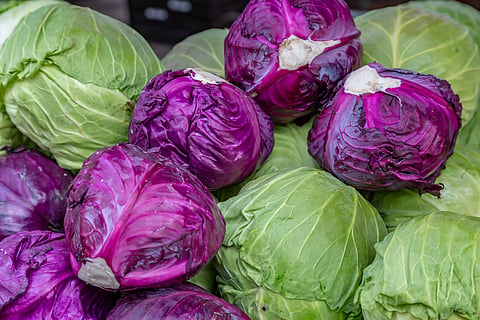

From gut health to protecting heart, cabbage has several health benefits making it a must in your diet plan.
Photo Credit: istockphoto

Cabbage is more than a filler vegetable. Research shows it boosts gut health, reduces inflammation, and contains sulforaphane, a compound linked to cancer protection. Rich in fiber, potassium, and vitamin C, cabbage also supports heart health and immunity. Low in calories yet nutrient-dense, it’s a simple, affordable way to strengthen long-term wellbeing.
Cabbage is the most underrated vegetable, but it has several health benefits backed by science. Let's discover why this humble vegetable is more than just a filler and why should it be on your plate.
If bloating, constipation, or a general feeling that your gut isn’t functioning as it ought to be, afflicts you, the simple solution you are probably ignoring is to eat more cabbage.
According to research carried out in 2024 by scientists from the University of Missouri, consuming red cabbage juice leads to healthier guts because it increases the number of beneficial bacteria and decreases inflammation in the guts among other positive impacts. 1
Red cabbage juice has been seen to increase the production of anti-inflammatory compounds via the interaction of microbes in the guts.
There are many people worldwide who are victims of inflammatory bowel diseases such as Crohn's disease and ulcerative colitis. The simple fact that an everyday vegetable like red cabbage produced significant results in healing a gut should give us pause.
You don't even have to specifically drink red cabbage juice, either. Raw cabbage, fermented cabbage (like sauerkraut or kimchi), or even lightly cooked versions will all have fiber and beneficial compounds for your gut microbes to feast on.
The key is simply actually eating it regularly – not just once a fortnight, if it makes its way into a coleslaw you don’t actually want.
This is one which will certainly catch you off guard. Chewing up your cabbage triggers a mechanism, which results in the formation of sulforaphane – the substance formed as a result of breaking the cell walls of the plant, hence chewing it properly and cutting it into small pieces is important!
Sulforaphane has proven to affect tumor cell proliferation, induce tumor cell death and boost the body’s response to oxidative stress in an article published in 2025 in Discover Oncology. 2
Overall, research done through epidemiology proves that high intake of cruciferous vegetables is associated with low chances of developing colon, lung, and prostate cancer.
It is certainly important to point out that cabbage will not be able to cure cancer. But what it does mean is that cabbage possesses something quite special that researchers believe is genuinely promising-and you likely have it in your refrigerator right now.
Cabbage is rich in fiber, potassium, and compounds called polyphenols. All these things work synergistically to counter the two leading causes of heart damage, inflammation and oxidation.
Soluble fiber in cabbage binds with the bad form of cholesterol, also called LDL cholesterol, which is circulating in your gut so that it doesn’t get absorbed and enter your blood. This prevents damage to arteries from high cholesterol.
Potassium works to negate some of the sodium-raising blood pressure effects found in the modern diet, and polyphenols-which are especially abundant in red cabbage-help reduce the kind of arterial damage that accumulates and causes heart disease over a lifetime.
The point is, no extreme changes or health fads are required but adding a portion of cabbage into your diet a few times per week will provide your body with beneficial actions to combat your heart's major risk factors.
One cup of raw cabbage provides a big portion of your daily needed vitamin C. This might be the last thing you expect from a veggie that costs close to nothing, but what this particular veggie offers is something beyond being able to fight off that pesky common cold.
In addition to strengthening your immune system, vitamin C also aids in the production of collagen, wound repair, and the absorption of iron from plant-based foods. People who don’t eat citrus fruits on a regular basis and think that heat destroys vitamin C content in foods can easily opt for including more raw cabbage, be it for a salad or as a side dish.
Just like other vitamins, red cabbage usually contains more vitamin C than green cabbage, and raw cabbage more than cooked cabbage.
It is pretty clear what the idea here is. The calorie content in cabbage is very low with a mere 25 calories per cup of cabbage, which means that the vegetable is full of water and fiber and, hence, will satisfy your hunger without piling up on unnecessary calories as is the case with junk food.
Cabbage is, thus, very helpful when you have problems with emotional eating or even controlling your weight. Even though this is not exactly a major change in your diet plan, some soups full of cabbage, some slaw prior to meals or some stir-fried cabbage dishes will definitely help cut down on your overall calorie consumption.
The issue with the cabbage is not access or affordability, it is boredom, plain and simple. We consistently make it the same two ways. Here are a few suggestions:
Shredded finely, tossed with lime juice, salt and cumin, this turns the vegetable into something else entirely.
Stir it into dal or soup in the last five minutes of cooking so it stays a bit crunchy.
Ferment it into a simple pickled delight using only salt and time.
Stir-fry it briefly with garlic, chilies, and oil until just cooked.
It's not the vegetable that's problematic, it's the routine.
Cabbage doesn't possess an exciting brand name or a legion of adoring fans on Instagram. It is virtually free, easy to grow, and something we so often underestimate in what it actually offers. The benefit to your gut health is proven.
The cancer-fighting compound within it is remarkable. It provides a surprisingly high amount of vitamin C and is a fantastic way to protect your heart.
And it’s incredibly simple to add into the meals you already prepare every week. Sometimes the greatest things are waiting for us in the most mundane places. Cabbage has just been here the entire time.
How does cabbage improve gut health compared to other vegetables?
Cabbage, especially red cabbage, promotes gut health by increasing beneficial bacteria and reducing inflammation. Research from the University of Missouri (2024) shows red cabbage juice enhances anti-inflammatory compounds through gut microbial interaction. Unlike some vegetables, cabbage provides fiber and unique compounds beneficial to gut microbes, whether consumed raw, fermented, or lightly cooked.
What is sulforaphane and how does it relate to cabbage's cancer-fighting potential?
Sulforaphane is a compound produced when cabbage cells are broken down by chewing or cutting. It has demonstrated properties that inhibit tumor cell growth, induce tumor death, and reduce oxidative stress. Studies published in 2025 link high intake of cruciferous vegetables like cabbage to lower risks of colon, lung, and prostate cancers.
Can regularly eating cabbage reduce the risk of heart disease?
Yes, cabbage contains fiber, potassium, and polyphenols which collectively help reduce inflammation and oxidation—two main causes of heart damage. Fiber binds LDL cholesterol preventing its absorption, potassium counters sodium's impact on blood pressure, and polyphenols reduce arterial damage, contributing to better heart health.
What is the nutritional value of cabbage in terms of vitamin C compared to other sources?
One cup of raw cabbage provides a substantial portion of daily vitamin C needs, comparable to some citrus fruits. Red cabbage usually contains more vitamin C than green, and raw cabbage retains more vitamin C than cooked forms. This vitamin supports the immune system, collagen production, wound healing, and iron absorption.
What are practical ways to incorporate more cabbage into my diet without getting bored?
To avoid monotony, try finely shredding cabbage with lime juice, salt, and cumin; adding it to soups or dal near the end of cooking; fermenting it into sauerkraut or kimchi with salt; or stir-frying briefly with garlic, chili, and oil. These methods maintain texture and flavor diversity, making cabbage more enjoyable regularly.
University of Missouri| Can a natural juice help your gut health? University of Missouri researchers find evidence it can
Springer Nature| Sulforaphane from broccoli, an epigenetic modulator in cancer cells
Disclaimer: This content is for general informational purposes only and should not replace professional medical advice. Always consult a qualified healthcare provider with any questions about your health or treatment options.
At marvelof.com, we spotlight the latest trends and products to keep you informed and inspired. Our coverage is editorial, not an endorsement to purchase. If you choose to shop through links in this article, whether on Amazon, Flipkart, or Myntra, marvelof.com may earn a small commission at no extra cost to you.