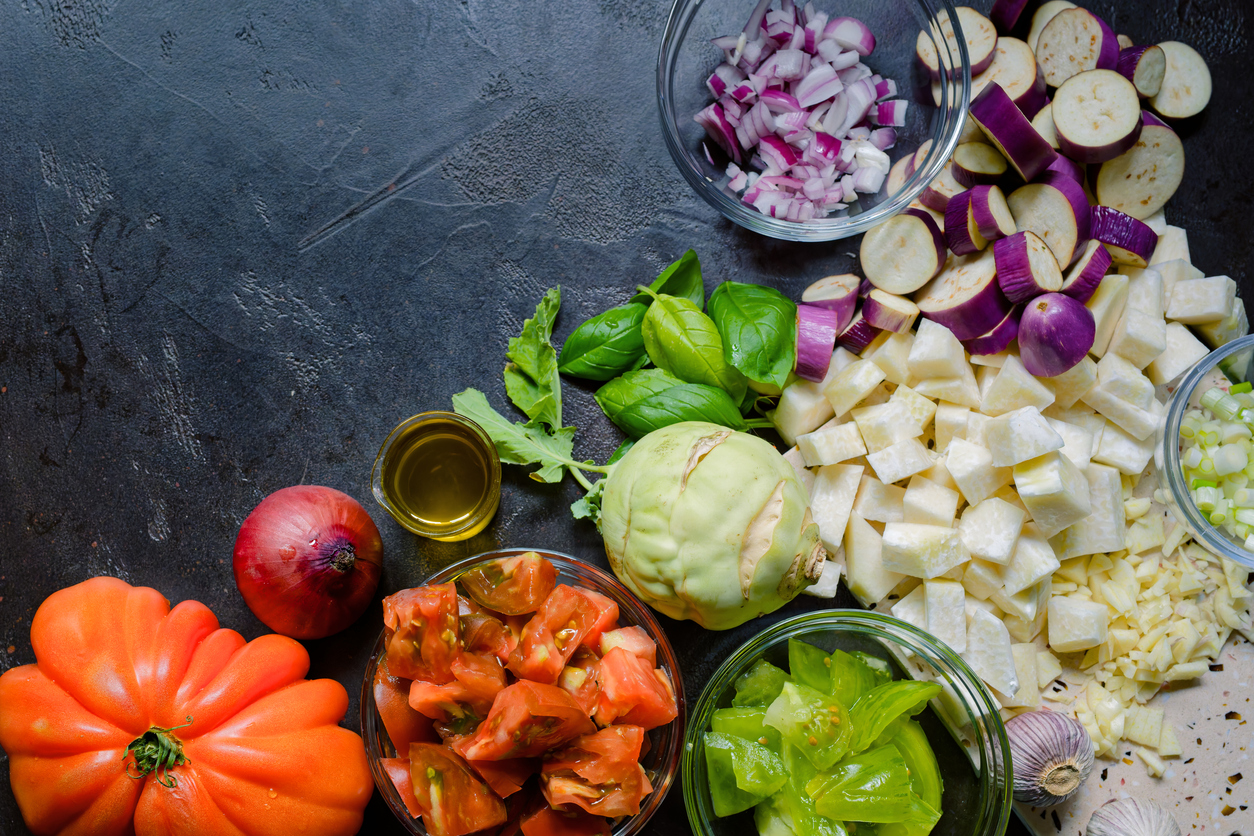

Reducing meats and prioritizing whole plant proteins, fruits, and vegetables will help protect long‑term heart health.
Photo Credit: istockphoto

The American Heart Association’s 2026 guidelines call for reducing red and processed meats and emphasizing plant proteins, fruits, and vegetables. Evidence shows plant‑based diets lower cholesterol, inflammation, and diabetes risk. Not all plant foods qualify, whole, minimally processed options matter most. Small swaps like dal, nuts, and vegetables can significantly improve long‑term heart health.
The debate around what to eat for a healthy heart has gone on for decades. Now, one of the world's most respected heart organizations has settled it, at least for now.
The American Heart Association (AHA) has released updated dietary guidelines in 2026, published in its flagship journal Circulation, and it calls for moving away from meat, lean into plants.1
This matters especially now, because these guidelines arrive in direct contrast to the US government's own 2025–2030 Dietary Guidelines, which quietly moved red meat and butter back toward the center of the plate. The AHA was quick to push back.
A heart-healthy diet must include 9 features as per the association. It entails: Consume different types of fruits, vegetables, and grains.
Substituting saturated fat with unsaturated and more importantly, replacing meat with plant proteins such as legumes, nuts, and seeds.
In an announcement made by the AHA in January 2026, it is recommended that one uses plants, fish, and lean meat; while reducing consumption of foods derived from animal fats such as red meats, butter, lard, and tallow due to their contribution to heart disease. This isn’t just a little nudge but the most direct messaging from the organization so far.
Processed red meat products like hot dogs, bacon, and deli meat are high in saturated fat. Saturated fat ups LDL (the bad) cholesterol, which clogs arteries and can trigger a heart assault or stroke.
The American Heart Association’s 2026 statement said types of food such as beans, peas, lentils, nuts and soy are more beneficial than red and processed meats, which are associated with gut inflammation and imbalance and a risk of type 2 diabetes and some cancers.
And it is not just about what you add, it is also about what you cut. The AHA notes that early and consistent adoption of healthy eating could help prevent up to 80% of heart disease and stroke. That figure deserves a moment.
Here is something the headlines often miss: switching to plants is not an automatic win. A 2025 study published in The Lancet Regional Health – Europe found that not all plant-based diets improve heart health, only those built on minimally processed, nutrient-dense foods do, while ultra-processed plant products can erase the benefits and even increase cardiovascular risk.2
In other words, a packet of plant-based chips is not the answer. Whole foods, lentils cooked at home, a handful of walnuts, vegetables that actually look like vegetables, are what the science is pointing to.
There is no need for drastic measures. This is something even the AHA guidelines concede. Meat and fish still have a place in the diet.
However, even if one prefers having red meat at least once in a while, the key lies in consuming only lean cuts in limited quantities, staying away from any processed versions like sausages and bacon.
Begin by making dal, rajma, or sabzi with roti the central element in one meal each day. Have a selection of nuts as a snack instead of chips. These are not sacrifices. They are, according to the latest heart science, investments.
The AHA's 2026 guidance does not ask you to overhaul your life. It asks you to make considered swaps and to understand that what sits on your plate three times a day has a direct relationship with whether your heart holds up thirty years from now. The science has spoken. The question is just whether we listen.
How does the AHA's 2026 guidance on heart health differ from the US government's dietary guidelines?
The AHA's 2026 guidance strongly recommends replacing red and processed meats with plant proteins such as legumes, nuts, and seeds to improve heart health. In contrast, the US government's 2025–2030 Dietary Guidelines have reintroduced red meat and butter as central dietary components, which the AHA views as contradictory to heart disease prevention efforts.
What types of plant-based foods are recommended for improving heart health according to the AHA?
The AHA emphasizes minimally processed, nutrient-dense plant foods such as beans, peas, lentils, nuts, seeds, and vegetables. These foods provide heart-protective benefits, while highly processed plant-based products like chips can negate benefits and may even increase cardiovascular risk.
Can lean meat and fish still be included in a heart-healthy diet based on the 2026 guidelines?
Yes. The AHA acknowledges that lean meat and fish have a place in the diet but recommends limiting intake, choosing lean cuts, and avoiding processed meat products like sausage and bacon to reduce saturated fat intake linked to heart disease.
What is the potential impact on heart disease risk from following the AHA's recommended dietary changes?
The AHA notes that early and consistent adoption of its heart-healthy eating guidelines, which prioritize plant proteins and reduce saturated fats, could help prevent up to 80% of heart disease and stroke cases, underscoring the significant long-term benefits of dietary changes.
How can individuals practically implement the AHA's recommendation to switch from meat to plants?
Individuals can start by making simple swaps like incorporating plant-based meals such as dal, rajma, or sabzi with roti once a day and choosing nuts as snacks instead of processed products. These small changes are manageable and can cumulatively support heart health without drastic lifestyle overhauls.
Disclaimer: This content is for general informational purposes only and should not replace professional medical advice. Always consult a qualified healthcare provider with any questions about your health or treatment options.
At marvelof.com, we spotlight the latest trends and products to keep you informed and inspired. Our coverage is editorial, not an endorsement to purchase. If you choose to shop through links in this article, whether on Amazon, Flipkart, or Myntra, marvelof.com may earn a small commission at no extra cost to you.