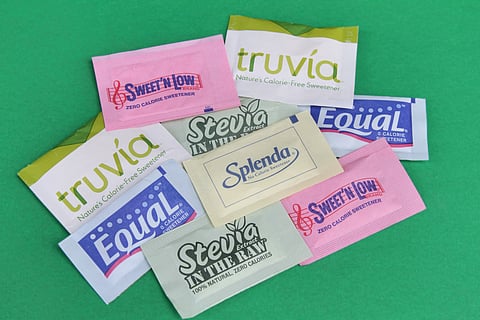

If you want to cut down on sugar without feeling guilty, artificial sweeteners can be one option.
Photo Credit: istockphoto

For years, artificial sweeteners were known for increasing hunger and cravings. But new research show the opposite, replacing sugar with low‑calorie sweeteners often reduces overall calorie intake without sparking extra appetite. While not a cure‑all, sweeteners can be a useful tool for cutting sugar, provided lifestyle choices remain balanced.
For years, sugar free and diet labels have carried a quiet warning. Friends say those drinks make you hungrier. Social media posts claim artificial sweeteners confuse your body and trigger cravings. It sounds believable, so the idea sticks.
When researchers actually track what people eat after having sweeteners, the results are very different from what people actually thought. In many cases, people end up consuming fewer calories, not more. So, what is going on?
New studies are saying something different. In 2024, a team based in the UK and France decided to test if sweeteners make you eat more claim in a simple way. They took everyday food, tweaked the recipe and watched what happened. Their trial was published in the International Journal of Obesity.1
Volunteers with overweight or obesity came into the lab. On some days they were served biscuits filled with sugar. On other days the same style of biscuit was sweetened with low calorie sweeteners like stevia and neotame. The taste and texture were matched so people could not easily tell which was which.
After that, the researchers did not just send them home. They checked how hungry people felt over time, how full they felt after eating and what they chose to eat at the following meal.
The result was not what many expected. The biscuits with sweeteners did not increase hunger compared with the sugar ones.
People did not raid the kitchen later to make up for the missing calories. Because the sweetener biscuits had fewer calories to begin with, total intake for the day was often lower.
A larger review in Frontiers in Nutrition looked across a range of studies that replaced sugar with non-
nutritive sweeteners in drinks and foods. The authors concluded that, overall, these swaps tended to reduce energy and sugar intake, rather than push it up.2
When people switch from sugar to artificial sweeteners in similar products, the body does not seem to rebel with extra hunger.
If the newer research looks more reassuring, why have we lived with the opposite belief for so long?
Part of the answer lies in early evidence. Some older studies were very small or used designs that do not reflect normal eating habits. A few experiments on animals then got stretched into big claims about humans. Those headlines travelled far.
Another factor is how we read situations in real life. Picture someone sipping a diet cola with a burger, fries and dessert. If that person gains weight, it is easy to point a finger at the diet drink. The entire meal pattern, routine activity and sleep often escape blame.
There is also a psychology angle. Sometimes, when people pick a lighter option, they quietly give themselves permission to indulge later. The sweetener did not cause that.
None of this means sweeteners are perfect. It does mean we should be careful about pinning every weight gain story on them.
Step away from the lab for a moment and think about an ordinary workday. You may grab a sweetened tea in the morning, a sugary cold drink with lunch and something similar in the evening. Those calories add up fast.
If you switch some of those versions using low or zero calorie sweeteners, the taste stays roughly the same. The difference sits quietly in the numbers.
Take a simple case. Two large sugary soft drinks can easily give you 300 to 400 calories in a day. Switch both to diet versions and keep everything else the same, and you have cut that out without much effort. According to the newer trials, your hunger is unlikely to surge just because those calories were missing.
Of course, it can go the other way. If the switch to sugar free gives you a moral license to add an extra dessert, the math flips. Again, this is not the sweetener doing the damage. It is the overall pattern.
The honest way to see artificial sweeteners is as one tool among many. They can help some people lower calorie and sugar intake. They cannot overrule the rest of your lifestyle.
Not everyone has to. If your routine already includes very little added sugar and you are comfortable with less sweet food, you may not see any big benefit.
They can be useful, though, for people who:
Are trying to lose some weight but enjoy sweet tastes
Need to manage blood sugar and want more options than plain or nothing
Find it easier to change drinks first, before tackling bigger food shifts
Even then, the basics still matter more than any single ingredient. Portions, home cooking, vegetables, protein, movement and sleep will always play a stronger role.
A quick but important note. Appetite and safety are different questions. The studies mentioned here focus on hunger, fullness and total food intake. They are not the last word on cancer risk, gut bacteria or other long-term concerns. Those topics have their own research, arguments and nuances.
If you have a medical condition, are pregnant, or simply feel uneasy about artificial sweeteners, check in with your doctor or a registered dietitian. It is perfectly fine to decide that you prefer to reduce sweetness in general instead of swapping sugar for sweeteners.
The picture that is emerging from newer work is more balanced than social media debates suggest.
Controlled trials are not finding that low or zero calorie sweeteners make people hungrier or drive them to eat more food later in the day. That does not give anyone a free pass to drink endless diet sodas.
If you enjoy sweet foods and want to cut down on sugar without feeling punished, artificial sweeteners can be one option on the table.
They will not fix a poor diet on their own, but when used sensibly, they are more likely to support your efforts than sabotage them.
Disclaimer: This content is for general informational purposes only and should not replace professional medical advice. Always consult a qualified healthcare provider with any questions about your health or treatment options.
References
1. EurekAlert | Do sweeteners increase your appetite?
2. Frontiers |Effects of non-nutritive sweeteners on energy and macronutrients intake in adults
At marvelof.com, we spotlight the latest trends and products to keep you informed and inspired. Our coverage is editorial, not an endorsement to purchase. If you choose to shop through links in this article, whether on Amazon, Flipkart, or Myntra, marvelof.com may earn a small commission at no extra cost to you.