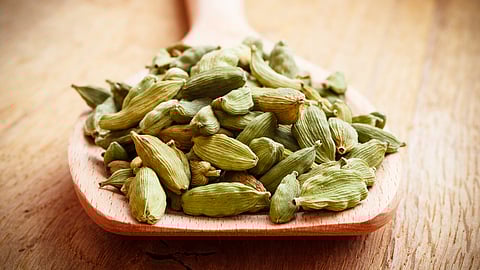

Cardamom can be used in powdered form or as pods, in tea, desserts, or even as a natural mouth freshener.
Photo Credit: istockphoto

Cardamom has been long valued in traditional medicines globally, but it is now gaining scientific recognition for its health benefits. Studies indicate it may improve cholesterol, lower blood pressure, ease digestion, reduce inflammation, and support oral health. While not a cure, regular use in cooking offers a safe, flavorful way to complement a heart‑healthy lifestyle and overall wellbeing.
Green cardamom has infused chai, kheer and pulao long before functional foods became a buzzword. Ayurveda, the traditional Indian medicine system, uses it to enable digestion and freshen breath.
Unani and Middle Eastern traditions found it useful too. Roughly two decades of lab studies and small clinical trials are beginning to provide answers to why this ancient kitchen habit may actually matter.
While contemporary work on the green cardamom is still relatively small, the pattern is becoming clearer. Research studies and pilot studies have shown better cholesterol levels, small reductions in blood pressure and lower levels of markers of inflammation in the blood associated with regular use of cardamom.
The researchers mainly attribute it to volatile oils and antioxidants. These include cineole and polyphenols. These substances seem to affect the behavior of blood vessels, the body’s handling of fats and how it manages low-grade inflammation over the long term.
You won’t find cardiologists handing out cardamom capsules instead of prescriptions, but several now mention it as one of the no downside spices that can support a heart‑healthy diet when used consistently.
Heart disease is still a leading cause of death in India and globally. That’s why even small, repeatable shifts in risk markers are taken seriously.
In studies where people took cardamom powder for several weeks, researchers saw trends towards lower total cholesterol, lower LDL, and lower triglycerides, plus small rises in HDL, the good cholesterol.
While not dramatic, these changes were nonetheless in the right direction, and appeared alongside reductions in blood markers of oxidative stress and inflammation.1
Cardamom appears to assist the blood-fat picture in swinging from more harmful to somewhat protective. If your cholesterol issues are severe, don’t expect supplements to do the heavy lifting.
However, if you are already on a healthy food, movement and sleep program a supplement might give a little additional help.
High blood pressure usually creeps up quietly. Many people only discover it when a routine check suddenly shows numbers above 130/80.
Some small trials have given adults with elevated blood pressure a daily dose of cardamom powder (often around 1–3 grams) and tracked the results over a couple of months.
In several of these, average systolic and diastolic readings dropped by a few points compared to baseline. The proposed explanation: cardamom’s compounds may help blood vessels relax a little more easily and may act as mild diuretics, supporting the body’s natural system for controlling pressure.2
A drop of even 3–5 mmHg in systolic pressure, maintained over time, can lower stroke and heart‑attack risk at the population level.
Cardamom won’t replace BP tablets if you need them, but as part of a low‑salt, largely home‑cooked diet, it looks like a safe ally.
Chewing cardamom after meals is such a common practice that people do not even think about it twice. However, modern science is indicating that this common practice does have logic behind it.
Cardamom is a member of the ginger family and is also believed to have a stimulating effect on the digestive juices in the stomach, thus promoting smooth digestion through the stomach and intestine.
In animal studies, cardamom extracts have been found to decrease excess acids in the stomach, protect the stomach lining from irritants, and minimize the possibility of ulcer formation.
Individuals who have cardamom and ginger tea daily or use cardamom in their meals have found that they do not feel as bloated or heavy after meals.
Although this is just anecdotal evidence, it does follow the general idea that scientists have found with this particular spice, which seems to calm down an irritated stomach, not irritate it, in most people.
Chronic, low‑grade inflammation is linked with diabetes, heart disease, arthritis and even some cancers. One of the reasons spices like turmeric, ginger and cardamom are getting so much attention is their potential to dial that background inflammation down.
In clinical settings, participants who took cardamom powder regularly showed reductions in blood levels of inflammatory markers such as C‑reactive protein (CRP) and certain pro‑inflammatory cytokines.
These are the chemical signals doctors often see raised in people with metabolic syndrome or long‑standing lifestyle‑related illness.
Cardamom is not an anti‑inflammatory drug, but it seems to nudge the body away from a constantly switched‑on inflammatory state. Over years, that kind of nudge could matter.
Cardamom has doubled as a natural mouth freshener for centuries. You’ll still find it in mukhwas mixes and after‑meal mouth cleansers across the subcontinent.
Lab work has shown that cardamom extracts can slow the growth of certain bacteria and fungi linked with dental plaque, gum disease and oral infections.
That doesn’t mean you can replace brushing and flossing with cardamom pods. It does mean that chewing one slowly after meals is doing more than just masking odor, it may be helping to keep the oral environment slightly less friendly to harmful microbes.
Given how closely gum health is tied to overall cardiovascular risk, that’s a useful bonus.
There is also emerging research on the potential effects on blood sugar control. Pilot studies, sometimes in people with obesity or type 2 diabetes, have suggested that a few weeks’ consumption of cardamom may have a small effect on blood sugar control.
Scientists believe that this is because of the antioxidant effects of the active ingredients in the spice.
However, the research is limited at present. The best description at the moment is encouraging, but not yet clear-cut.
People with diabetes who are on medication should continue to take their medication as usual and view the effects of the cardamom as a bonus.
You don’t need special supplements to tap into cardamom’s potential benefits, but there are simple ways to make it a part of your diet.
- Toss in a few lightly crushed pods into your morning chai or coffee.
- Stir ground cardamom into your porridge, daliya or kheer.
- Mix it with homemade spice mixes for curries or stews.
- For an evening herbal tea, simmer it with ginger and a little cinnamon.
The equivalent of about half to one teaspoon daily of ground cardamom was found to be used in most studies that have been done on humans. It is easier if used in two or more of the same dishes.
Individuals with gallstones, serious reflux or existing medicine routines should inform their doctor of any major diet changes. Just to be safe.
Cardamom will do nothing for you if your diet is junk-heavy and you are leading a sedentary lifestyle. It won’t perform miracles.
It does offer a rare combination, deep-rooted traditional use, modern emerging data pointing in the same direction and almost no downside for most people when used in cooking.
As health advice gets louder and more complicated, there’s something reassuring in the tiny green pod, which simply sits in our spice box, waiting to help out our hearts, digestion and mouth.
Disclaimer: This content is for general informational purposes only and should not replace professional medical advice. Always consult a qualified healthcare provider with any questions about your health or treatment options.
References
1. ScienceDirect| Cardamom may improve cardiovascular metabolic biomarkers
2. National Library of Medicine | Effect of cardamom consumption on inflammation and blood pressure
At marvelof.com, we spotlight the latest trends and products to keep you informed and inspired. Our coverage is editorial, not an endorsement to purchase. If you choose to shop through links in this article, whether on Amazon, Flipkart, or Myntra, marvelof.com may earn a small commission at no extra cost to you.