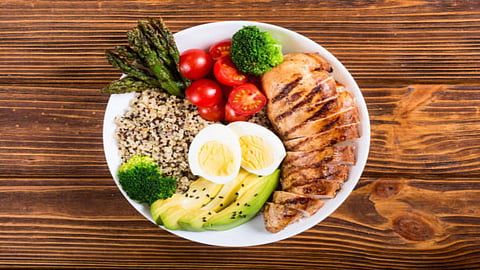

Nutritionist Lovneet Batra recommended consumption of chicken breast that can be a vital source of protein for non-vegetarians.
Photo Credit: istockphoto

Multiple long-term studies show that low-carbohydrate, high-protein, or high-fat diets elicit several beneficial metabolic effects, including increased energy expenditure and weight loss, and reduced insulin resistance, fasting glucose, and HbA1c, compared to high-carbohydrate diets.
Eating protein-dense foods can provide you several health benefits ranging from improved muscle growth, maintaining healthy weight by enhancing satiety, better metabolic rate, and building and repairing tissues. Protein-rich foods can bring down hunger hormones such as ghrelin and regulate appetite.
The major benefits of regular consumption of protein include better immune health, improved bone density, better fat burning, and reduced blood pressure, among others. Protein also slows down the absorption of carbohydrates and help manage blood sugar levels. Protein also boosts satiety that can reduce overall calorie intake.
According to a study featured in National Library of Medicine, “Our results align with multiple long-term studies showing that low-carbohydrate, high-protein, or high-fat diets elicit several beneficial metabolic effects, including increased energy expenditure and weight loss, and reduced insulin resistance, fasting glucose, and HbA1c, compared to high-carbohydrate diets.” 1
Recently, nutritionist Lovneet Batra took to her Instagram account (@lovneetb) and shared some easy protein swaps that you may add to your everyday meals. 2
She said, “High-protein meals don’t have to be boring or complicated—just smart choices and the right portions. Whether you’re trying to build muscle, lose fat, or simply eat better, hitting your protein intake is a game changer. And the best part? You’ve got options—veg and non-veg.” Below are the protein-rich foods that the nutritionist recommended:
1. Chicken Breast: She recommended consumption of chicken breast that can be a vital source of protein for non-vegetarians. If you eat 100 grams of chicken breast, it can offer you 22 grams of protein. The food can promote bone health and provides key B-vitamins and minerals for improved metabolism.
2. Paneer: If you are vegetarian and looking for best sources of protein, nutritionist Lovneet Batra recommended eating 100 to 150 grams of paneer. It can offer you 19 to 27 grams of protein. It is also a complete protein source that can offer all 9 vital amino acids.
It supports muscle growth & repair, enhances metabolism, and supports weight management by improving satiety. Paneer is a rich source of casein that can help repair muscles, prevent muscle breakdown, and boost recovery. The presence of high levels of calcium and phosphorous can strengthen bones and teeth thus preventing osteoporosis.
3. Three Whole Eggs/Omlette: She suggested adding 3 whole eggs or omlette to your diet that can offer you 20 grams of protein. Consumption of eggs or omelette can offer you all 9 key amino acids, vitamins like B12, and D, and brain enhancing choline.
4. Fish: Fish can be yet another powerful source of protein. The nutritionist suggested eating 100 grams of fish to receive 22 grams of protein. Fish protein emerged as one of the easily digestible sources of vital amino acids. Fish are low in saturated fat and contain high levels of omega-3 fatty acids. Fish contain essential minerals like iron, zinc, and iodine along with key vitamins such as vitamin D, vitamin B2, and vitamin B12.
Consuming fish can offer major health benefits like improve heart health, better brain functioning, enhanced vision, better joint health, and reduced risk of autoimmune disease.
5. Soya Chunks: If you eat 50 grams of raw soya chunks, you can conveniently get 25 grams of protein, as per the nutritionist post on Instagram. Soya chunks is a plant-based protein source that can enhance muscle repair, improve bone health (it has calcium and isoflavones), and support weight loss. It is rich in iron, supports cardiovascular health, and cholesterol free.
6. Tofu: The popularity of tofu as one of the best protein-rich foods has been rising significantly. The nutritionist recommended consuming 200 grams of tofu to get 24 grams of protein. It is worth mentioning that tofu is a high-quality and plant-based source of protein that can offer all nine key amino acids essential for muscle repair and tissue maintenance.
The food can support heart health by reducing bad (LDL) cholesterol. It support weight management as a result of high-protein and low-calorie nature. It can improve your bone health as it has high calcium and magnesium content.
7. Two Besan Chilla: It can be yet another addition to your protein-rich meals that can offer you 16-18 grams of protein. Besan chilla is a high-protein, nutrient-dense breakfast or evening snacks option. It can promote satiety, aids muscle repair, and supports weight management plans by decreasing cravings. Besan chilla can be a stunning gluten-free and low-glycemic index alternative for sustained energy.
She concluded the post saying, “The goal isn’t perfection—it’s consistency. Mix and match based on your lifestyle, preferences, and cravings. Eat better. Feel stronger. Look sharper. Repeat.”
FAQs
How do protein-rich meals help with weight management?
Protein-rich meals enhance satiety by reducing hunger hormones like ghrelin, which helps regulate appetite and reduces overall calorie intake. Additionally, protein slows carbohydrate absorption, aiding in blood sugar control and boosting metabolism, all contributing to effective weight management.
What are the differences between plant-based and animal-based protein sources featured in the article?
Animal-based sources like chicken breast, fish, and eggs provide complete proteins with all nine essential amino acids and additional nutrients like vitamin B12 and omega-3 fatty acids. Plant-based options such as paneer, soya chunks, tofu, and besan chilla also provide complete or high-quality protein along with benefits like lower cholesterol and rich calcium content, supporting muscle repair and bone health.
What is the recommended portion size for paneer to meet protein needs?
The nutritionist recommends consuming 100 to 150 grams of paneer, which provides 19 to 27 grams of protein. Paneer serves as a complete protein source aiding muscle growth, repair, metabolism, and weight management.
Are protein-rich meals beneficial for people with blood sugar concerns?
Yes, protein-rich meals slow the absorption of carbohydrates, helping manage blood sugar levels effectively. According to studies referenced, high-protein diets reduce insulin resistance, fasting glucose, and HbA1c compared to high-carbohydrate diets, thus benefiting people with blood sugar concerns.
Can eating protein-rich foods improve bone health, and which foods are best for this?
Protein-rich foods improve bone density by providing essential nutrients like calcium, phosphorus, and magnesium. Paneer, tofu, soya chunks, and chicken breast are particularly beneficial due to their high calcium and mineral content, which helps strengthen bones and prevent osteoporosis.
National Library of Medicine|A protein-rich meal provides beneficial glycemic and hormonal responses as compared to meals enriched in carbohydrate, fat or fiber, in individuals with or without type-2 diabetes
Nutritionist Lovneet Batra via Instagram|7 Easy Protein-Rich Meals
Disclaimer: This content is for general informational purposes only and should not replace professional medical advice. Always consult a qualified healthcare provider with any questions about your health or treatment options.
At marvelof.com, we spotlight the latest trends and products to keep you informed and inspired. Our coverage is editorial, not an endorsement to purchase. If you choose to shop through links in this article, whether on Amazon, Flipkart, or Myntra, marvelof.com may earn a small commission at no extra cost to you.