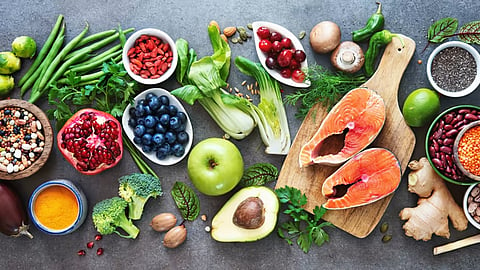


Inflammation is a silent health issue linked to joint pain, heart disease, and Alzheimer’s. Diet plays a major role in managing it, with natural options like omega‑3 fatty acids, curcumin, and vitamins D, E, and C. Fresh foods, healthy fats, and moderation in processed foods brings relief.
If you experience ongoing pain and have difficulty moving your joints and feel less energetic than before your body, you may be suffering from chronic inflammation. Chronic inflammation has emerged as a serious health problem today. The condition develops silently and can result in people developing cardiovascular disease and Alzheimer's disease.
The challenge is that unlike a cut or bruise, chronic inflammation often works silently, making it hard to recognize until it's already causing problems.
Understanding Inflammation
Your body uses inflammation in two ways. The first form of inflammation provides beneficial effects. The body uses this process to protect itself from pathogens while it repairs cuts. The body uses acute inflammation to heal wounds through the visible redness and swelling that occurs after a finger cut. The body experiences this type of inflammation which develops rapidly and resolves through the healing process.
Chronic inflammation develops through multiple stages which create a continuous state of inflammation. The condition starts without any visible symptoms but it will continue to develop until it destroys your body cells and tissues. The body remains in an active state which leads to health problems because the body continuously responds to danger signals.
People across the globe experience pain which results from inflammatory conditions. The most common type of pain which affects elderly individuals includes joint pain together with back pain and foot pain. Nearly half of adults over 45 experience some form of joint pain.
The good news? Your dietary choices directly impact the level of inflammation present in your body. Natural methods of managing inflammation include vitamins and supplements, which serve as essential components of your complete treatment plan.

Omega-3 Fatty Acids
Omega-3 fatty acids represent the most effective treatment option for reducing inflammation, but our body doesn’t make them. Fish oil contains these beneficial fats which have undergone extensive research studies. You can get omega-3s from eating fatty fish like salmon, mackerel, sardines, anchovies, and tuna, or from supplements.
If you do not eat fish, plant-based alternatives exist through flaxseed oil, algae supplements, chia seeds, walnuts, soybeans etc. although their effectiveness falls short of fish oil
Omega-3 supplements have been shown through scientific research to decrease inflammation markers present in your blood.
Omega-3 fatty acids can help lower the risk of heart attacks, ease migraines by making them less frequent, and support healthy brain function and emotional balance. They also reduce joint pain and stiffness. Their main role in the body is to calm inflammation by limiting the release of substances that cause swelling and discomfort. For people who don’t get enough omega-3s from their diet, supplements are the most effective way to meet this need.
Curcumin
The staple in every Indian’s kitchen the yellow curry spice turmeric contains the powerful active ingredient curcumin. Traditional medicine has used this substance for hundreds of years while scientific research confirms its ability to treat inflammation.
Curcumin lowers inflammation markers in your blood and helps with conditions like arthritis when used alongside regular treatment. Acts as an antioxidant to protect your cells.
However, the body has difficulty absorbing curcumin because it requires special handling for proper digestion. This is the reason why multiple supplements include black pepper extract which enhances your body's ability to absorb the supplement.
“Curcumin has many biological activities, not all of which are understood,” according to Mary-Eve Brown, an oncology clinical dietitian/nutritionist at Johns Hopkins Medicine. “Like other colorful plant-based foods, turmeric is rich in phytonutrients that may protect the body by neutralizing free radicals (pollution, sunlight) and shielding the cells from damage.” Brown states.
Brown says turmeric supplements are probably not a good idea. It’s better to get curcumin and most other nutrients in whole food form rather than to take turmeric pills, tinctures, capsules or gummies,” she says.
Vitamin D
Everybody knows that Vitamin D supports bone development, however, this vitamin also provides additional health benefits, which most of us are not aware of. Vitamin D helps regulate body’s inflammation. Your body can make Vitamin D when your skin is exposed to sunlight, but many people don't get enough sun exposure, especially in winter months or if they work indoors. Vitamin D deficiency affects older adults and people with darker skin and those who live in northern regions.
Research shows that people with low vitamin D often have higher inflammation levels and taking vitamin D supplements can reduce inflammation markers.
The daily intake of 1000 to 4000 IU of vitamin D may help decrease inflammation and slow disease progress for arthritis patients who have vitamin D deficiency. The vitamin D vitamin functions as an immune system regulator which controls the body's reaction against inflammation.
Vitamin E
Due to its antioxidant and anti-inflammatory effects, Vitamin E is a potential agent to prevent or treat osteoarthritis.
Vitamin E is found in vegetable oils, seeds, green leafy vegetables and fortified cereals.
Vitamin C
Vitamin C shows potential as a treatment solution. Daily intake of 1,000 mg enables healthy individuals to achieve reduced levels of inflammatory markers. The best sources of vitamin C are fruits and vegetables, especially citrus fruits, red and green peppers, kiwifruit, broccoli, strawberries, and Brussels sprouts. Orange juice, grapefruit juice, and tomato juice also contain large amounts of vitamin C, and vitamin C is added to some breakfast cereals.
Safety Tips
An anti-inflammatory diet means eating fresh, wholesome foods and cutting out processed ones to control inflammation. It is important to make changes to your diet gradually so your stomach adjusts. Focus on lot of fresh fruits, vegetables, and healthy fats like olive oil and nuts and try to limit red meat, sugary foods, and alcohol. Consult your doctor before starting any supplements.
Disclaimer: This content is for general informational purposes only and should not replace professional medical advice. Always consult a qualified healthcare provider with any questions about your health or treatment options.
At marvelof.com, we spotlight the latest trends and products to keep you informed and inspired. Our coverage is editorial, not an endorsement to purchase. If you choose to shop through links in this article, whether on Amazon, Flipkart, or Myntra, marvelof.com may earn a small commission at no extra cost to you.