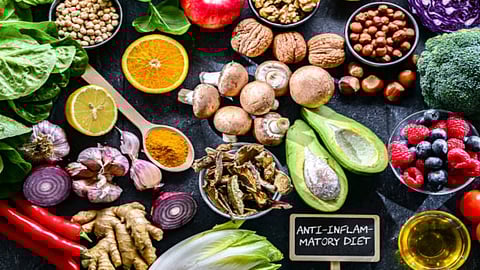

A healthy and anti-inflammatory diet can play significant role in managing and reducing inflammation naturally.
Photo Credit: istockphoto

The positive impact of a diet rich in fruits and vegetables, leading to an overall reduction in morbidity and mortality in various cancers, has been widely published. Fruits and vegetables contain substances shown to be protective against cancer development, such as allium compounds, selenium, isoflavones, protease inhibitors, phytosterols, and folic acid.
Inflammation is body’s natural response to infection or injury. While short-term inflammation supports body’s healing process, chronic inflammation can pose risk of several health issues like diabetes, heart ailments, arthritis, and digestion problems. According to Harvard Health, “Many major diseases that plague us - including cancer, heart disease, diabetes, arthritis, depression, and Alzheimer's - have been linked to chronic inflammation.” 1
A healthy and anti-inflammatory diet can play significant role in managing and reducing inflammation naturally. Addition of anti-inflammatory foods to the daily diet can support overall health and fight inflammation effectively.
1. Berries: You may include berries such as strawberries, blueberries, raspberries as they contain essential antioxidants namely anthocyanins. These compounds can offer strong protection to the cells from damage and alleviate inflammation. Berries are a rich source of vitamin C and fibre that you can add to your smoothies or breakfast bowls.
According to a study published in National Library of Medicine, “Leading anti-inflammatory diets contain increased proportions of fruits and vegetables. The positive impact of a diet rich in fruits and vegetables, leading to an overall reduction in morbidity and mortality in various cancers, has been widely published. Fruits and vegetables contain substances shown to be protective against cancer development, such as allium compounds, selenium, isoflavones, protease inhibitors, phytosterols, and folic acid.” 2
2. Fatty Fish: You should focus on the consumption of fatty fish like salmon, sardines, mackerel as they are an excellent source of omega-3 fatty acids. The healthy fats contain strong anti-inflammatory qualities. Omega-3 can decrease production of inflammatory molecules in the human body. Regular intake of fatty fish once or twice a week can also support heart health and decrease inflammation. “To reduce levels of inflammation, aim for an overall healthy diet. If you're looking for an eating plan that closely follows the tenets of anti-inflammatory eating, consider the Mediterranean diet, which is high in fruits, vegetables, nuts, whole grains, fish, and healthy oils,” added the Harvard Health report. 1
3. Turmeric: The spice has been extensively used for decades in many Ayurvedic medicines. It offers a strong compound namely curcumin that offers powerful anti-inflammatory properties and antioxidants. You may add turmeric to soups, curries, or lukewarm milk to support body’s natural defence system.
4. Leafy Green Vegetables: You may include spinach, kale, and fenugreek leaves as they can provide necessary vitamins, minerals, and antioxidants. These nutrients can also protect the cells from oxidative damage and inflammation. Regular intake of leafy green veggies can enhance overall health and immunity.
5. Nuts & Seeds: Nuts such as almonds and walnuts can be highly beneficial for fighting inflammation. While seeds like chia seeds and flaxseeds are a vital source of healthy fats, antioxidants, and fibre. Walnuts and seeds are a great source of omega-3 fatty acids that can decrease inflammation naturally. You may add a handful of nuts to your daily diet.
6. Olive Oil: Extra virgin olive oil can offer one of the healthiest fats as it contains compounds that provide anti-inflammatory effects similar to some medications. You may use olive oil in salads or light cooking can support overall heart health and decrease inflammation.
7. Green Tea: It is rich in polyphenols and antioxidants, especially epigallocatechin gallate (EGCG). These compounds can reduce inflammation and protect cells from damage. You may drink one or two cups of green tea everyday to support overall health.
8. Garlic & Ginger: They have been used extensively in traditional medicines for centuries. Garlic has sulfur compounds that can reduce inflammation while ginger offers anti-inflammatory properties. You may include them in your vegetables or warm milk to enhance flavor and support overall health.
There are several other popular teas like moringa tea and kombucha tea that can also help you fight inflammation. Here they are:
1. Moringa Tea: If you are keen to fight inflammation effectively, you can also consume moringa tea. It contains iron, Vitamin C, amino acids that can protect the body from infections, thereby enhancing immune health. Regular intake can help fight flu, cold or illnesses caused due to seasonal changes. Besides, it contains natural anti-inflammatory and antibacterial properties that enhance immunity.
It is light on your stomach and improves digestion. The tea supports healthy bowel movements and aids in reducing stomach-related issues like acidity, bloating, and constipation. The tea’s anti-inflammatory properties can also soothe your digestive tract. A post-meal sip can help better digestion and improved nutrient absorption.
The tea offers benefits that can support your heart health. It can help in lowering the bad cholesterol or LDL and supports the good cholesterol or HDL. Presence of antioxidants in the tea decline inflammation and keeps the blood vessels healthy required for effective blood circulation.
2. Kombucha Tea: The popularity of Kombucha tea has been soaring and the drink gained popularity as it contains probiotic or healthy bacteria. The presence of these microorganisms will enhance health, supports weight loss, limits inflammation, boosts gut health, improves mental health, betters liver health, and strengthens your immunity.
Kombucha is packed with polyphenols and antioxidants that go a long way in preventing damage in the body. It can restrict chronic inflammation that may trigger other health problems like cancer, arthritis, and heart issues. Polyphenols have emerged as powerful antioxidants that can decrease inflammation, major cause of several diseases.
FAQs
How do anti-inflammatory foods compare to medication in managing chronic inflammation?
Anti-inflammatory foods like extra virgin olive oil contain compounds with anti-inflammatory effects similar to some medications but without side effects. While medications can provide targeted relief, a consistent anti-inflammatory diet supports overall health, reduces systemic inflammation naturally, and lowers risk of chronic diseases over time. Combining diet with medical advice is optimal.
What are the best ways to include fatty fish in my diet to reduce inflammation?
Including fatty fish such as salmon, sardines, or mackerel once or twice a week supplies omega-3 fatty acids that decrease inflammatory molecules. You can prepare them grilled, baked, or in salads. Regular consumption supports heart health and inflammation management effectively.
What is the cost-effectiveness and ROI of switching to an anti-inflammatory diet?
An anti-inflammatory diet primarily emphasizes fruits, vegetables, nuts, fish, and healthy oils, many of which are accessible and affordable. Investing in these foods can reduce risks of costly chronic diseases like heart disease or diabetes, potentially lowering future healthcare expenses and improving quality of life.
Are natural remedies like turmeric or moringa tea trustworthy for managing inflammation?
Turmeric contains curcumin, a well-studied anti-inflammatory compound widely used in Ayurvedic medicine. Moringa tea offers vitamins, antioxidants, and anti-inflammatory properties to boost immunity and digestion. While these natural remedies support inflammation management, they should complement, not replace, conventional treatment when necessary.
How does kombucha tea help in reducing inflammation compared to green tea?
Both kombucha and green tea are rich in antioxidants and polyphenols that reduce inflammation. Kombucha additionally contains probiotics, which support gut health and strengthen immunity, potentially offering broader benefits in inflammation control. Green tea is notable for EGCG, a potent antioxidant targeting cellular damage.
1. Harvard Health Publishing | Anti-inflammatory Diet
2. National Library of Medicine| Anti-inflammatory Diet
Disclaimer: This content is for general informational purposes only and should not replace professional medical advice. Always consult a qualified healthcare provider with any questions about your health or treatment options.
At marvelof.com, we spotlight the latest trends and products to keep you informed and inspired. Our coverage is editorial, not an endorsement to purchase. If you choose to shop through links in this article, whether on Amazon, Flipkart, or Myntra, marvelof.com may earn a small commission at no extra cost to you.