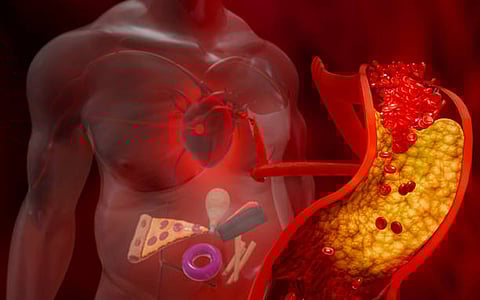

Chronic and low-grade inflammation can be a major reason that can trigger type 2 diabetes, heart disease, and non-alcoholic fatty liver.
Photo Credit: istockphoto

Chronic inflammatory state contributes to long-term complications of diabetes, including non-alcoholic fatty liver disease (NAFLD), retinopathy, cardiovascular disease, and nephropathy, and may underlie the association of type 2 diabetes with other conditions such as Alzheimer’s disease, polycystic ovarian syndrome, gout, and rheumatoid arthritis.
Chronic inflammation can silently damage healthy tissues, organs, and DNA thus causing more than 50% of global fatalities. It poses and raises the risk of various diseases like cancer, cardiovascular disease, type 2 diabetes, autoimmune disorders, etc. For years, health experts debated the role of body weight as one of the possible causes of diabetes, liver diseases, and heart issues. However, latest reports claim that chronic inflammation can also be the leading contributor to several metabolic health issues. Chronic and low-grade inflammation can be a major reason that can trigger type 2 diabetes, heart disease, and non-alcoholic fatty liver.
According to a report published in Science Direct, “Obesity leads to chronic, systemic inflammation and can lead to insulin resistance (IR), β-cell dysfunction, and ultimately type 2 diabetes (T2D). This chronic inflammatory state contributes to long-term complications of diabetes, including non-alcoholic fatty liver disease (NAFLD), retinopathy, cardiovascular disease, and nephropathy, and may underlie the association of type 2 diabetes with other conditions such as Alzheimer’s disease, polycystic ovarian syndrome, gout, and rheumatoid arthritis.” 1
Systematic inflammation is an entire-body immune response where pro-inflammatory cytokines and immune cells are released that can impact organs and tissues all over the body instead of just one area. Unlike localized inflammation, this extensive, chronic, and acute state can occur due to infections, injuries or chronic diseases like diabetes and autoimmune disorders. It is often a low-grade, persistent state of inflammation that can last for months or years and damage healthy cells.
The major triggers include surgery, obesity, chronic stress, autoimmune disease, and sepsis. Major signs will include fatigue, fever, weight loss, and strong levels of inflammatory markers in the blood like C-reactive protein, according to a study featured in National Library of Medicine. 2
Diabetes and Inflammation: When it comes to type 2 diabetes and insulin resistance, metabolic imbalance can cause low-grade inflammation. Presence of excess glucose and changed fat metabolism can stimulate inflammatory pathways. With the passage of time, the inflammatory activity can aggravate insulin resistance that can impact blood vessel lining and enhance cardiovascular weakness. Inflammation will not only cause diabetes but it can actively contribute to its progression, as per a report published in bookmytest. 3
Heart Disease and Inflammatory Damage: Heart disease can often be defined as cholesterol issues. Lipid imbalance may have an important role but inflammation is a major driver of plaque formation and instability. The inflammatory signals can immune cells into artery walls. These cells may cause plaque buildup and weaken plaque structure thus boosting the risk of rupture.
Fatty Liver And Metabolic Inflammation: Fatty liver disease often gets developed along with insulin resistance and metabolic imbalance. As fat begins to build up in the liver cells, inflammatory processes can get activated. Regular inflammation in the liver can cause tissue stress, fibrosis, and progressive dysfunction.
Therefore, we can conclude here that systematic inflammation does not target just one organ in the human body. It can impact the blood vessels, metabolic pathways, liver tissue, and hormonal imbalance. This is the reason why a person with diabetes can also develop heart disease and fatty liver as a result of shared biological pathways. Chronic disease like diabetes, heart disease, and fatty liver may get diagnosed separately but systematic inflammation often links them.
In order to prevent inflammation, you can opt for anti-inflammatory diet that can prevent several chronic diseases.
Essential vitamins and antioxidants are available in abundance in anti-inflammatory foods that can offer the much-needed nutrients that the body needs to fight inflammation. Healthy fats such as omega-3s can ward off inflammatory chemicals. Meanwhile, Fibre-dense diet can offer healthy digestion necessary for strong immunity. When you eat anti-inflammatory foods, it cures the body from within and aids in reducing inflammation.
1. Dark Chocolate: Dark chocolate is rich in flavonoids, an essential anti-inflammatory compound that can restrict oxidative damage and bring down inflammation. They also contain polyphenols that can fight inflammation effectively. Presence of these antioxidants can decrease inflammatory markers such as C-reactive protein (CRP) and TNF-α, that can enhance vascular health and alleviate chronic disease risks.
2. Fatty Fish: Consumption of fatty fish like salmon, mackerel, tuna, and sardines can help you fight inflammation as they are a rich source of Omega-3. Omega-3 can effectively tackle and suppress inflammatory proteins in the human body and alleviate risks of arthritis, heart diseases, and depression. Regular consumption of fatty fish will lead to healthy eating habits as they have emerged a vital source of sustainable nutrition.
3. Cherries: The fruit, especially the tart varieties, offers essential antioxidants like anthocyanins that can fight chronic inflammation and oxidative stress. Regular consumption of cherries helps reduce inflammation by suppressing inflammatory proteins. Regular intake of 1 to 2 cups can bring down inflammation markers, like CRP, by nearly 25%. Cherries can sooth stiff muscles and painful joints. You should ensure that the fruit is consumed post workout for better results.
4. Broccoli: The vegetable has emerged as one of the potent anti-inflammatory foods that you should consume quite often. It has sulforaphane, a vital anti-inflammatory compound that can fight inflammation and protect the cell from any damage. Broccoli contains quercetin as well that can bring down chronic inflammation by preventing cytokines. Regular consumptop can reduce chronic disease risks, alleviate joint pain, and improve gut health. It has emerged highly effective when steamed lightly.
5. Green Tea: It can significantly improve your metabolism. Green tea has EGCG (epigallocatechin gallate), a vital antioxidant that prevents inflammatory reactions in body. You can take two cups of green tea every day to ward off inflammation. You may add honey and lemon for additional benefits.
6. Mushrooms: You can consume varieties of mushrooms like maitake, portobello, shiitake as they are vital source of antioxidants like polyphenols and beta-glucans. They are highly anti-inflammatory in nature that can activate your immune system. You can add mushrooms to soup or make vegetable to boost your anti-inflammatory diet.
The other powerful anti-inflammatory food may include avocados, tomatoes, and berries. Therefore, if you spot any of the aforementioned signs in your body, make sure you add the above foods to your diet.
FAQs
How does chronic inflammation differ from localized inflammation?
Chronic inflammation is a persistent, low-grade immune response affecting the entire body, releasing pro-inflammatory cytokines and immune cells that impact multiple organs and tissues. In contrast, localized inflammation is confined to one specific area, such as an injury site. Chronic systemic inflammation can last months or years, causing widespread tissue damage.
What is the connection between inflammation and type 2 diabetes?
Inflammation contributes to type 2 diabetes by promoting insulin resistance and β-cell dysfunction. Excess glucose and altered fat metabolism trigger inflammatory pathways, which aggravate insulin resistance and damage blood vessel linings, thus worsening diabetes progression and related complications like cardiovascular disease and fatty liver.
Can anti-inflammatory foods reduce the risks of heart disease and fatty liver?
Yes, anti-inflammatory foods rich in antioxidants, omega-3 fatty acids, and fiber can help reduce inflammation linked to heart disease and fatty liver. Foods like fatty fish, dark chocolate, broccoli, cherries, and green tea combat inflammatory chemicals, improve vascular health, and reduce markers such as C-reactive protein, thereby potentially lowering disease risks.
How do inflammatory processes contribute to plaque buildup in heart disease?
Inflammation stimulates immune cells to infiltrate artery walls, promoting plaque formation and destabilizing plaque structures. This weakens plaques and increases the likelihood of rupture, which can lead to heart attacks. Hence, inflammation plays a crucial role beyond cholesterol imbalance in cardiovascular disease development.
What are common signs indicating systemic inflammation that one should watch for?
Common signs of systemic inflammation include persistent fatigue, fever, unexplained weight loss, and elevated inflammatory markers in the blood like C-reactive protein. These symptoms might persist over time and indicate ongoing low-grade inflammation associated with chronic diseases such as diabetes, heart disease, or autoimmune disorders.
Science Direct|Inflammation in obesity, diabetes, and related disorders
National Library of Medicine|Systemic response to inflammation
BookMyTest|The Inflammation Connection: What Many Chronic Diseases Have in Common
At marvelof.com, we spotlight the latest trends and products to keep you informed and inspired. Our coverage is editorial, not an endorsement to purchase. If you choose to shop through links in this article, whether on Amazon, Flipkart, or Myntra, marvelof.com may earn a small commission at no extra cost to you.