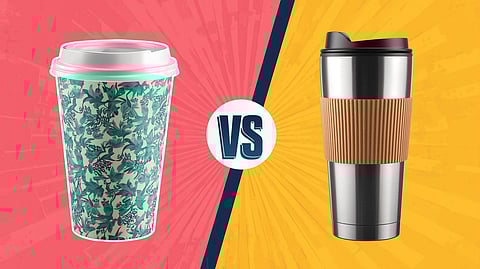


Disposable paper cups have become a popular choice for serving tea, coffee, and other beverages, especially in cafes, offices, and street stalls. They are often perceived as a greener alternative to plastic cups and glasses. However, the reality is more complicated. This article delves into why paper cups may not be as environmentally friendly as commonly believed and highlights practical, sustainable alternatives.
What Are Paper Cups Made Of?
At first glance, paper cups seem biodegradable and eco-friendly because they are made from paper. But most disposable paper cups used in India are lined with a thin layer of plastic, usually polyethylene, to make them waterproof and prevent leakage. This plastic lining:
- Prevents easy composting of the cups.
- Makes recycling difficult because separating plastic from paper is a complex process.
Consequently, these cups often end up in landfills or incinerators, contributing to pollution rather than reducing it.
Environmental Impact of Paper Cups
India generates thousands of tons of paper cup waste annually due to the growing café culture and street food consumption. The challenges include:
- Recycling Limitations: Municipal waste management systems in many Indian cities lack the technology to separate and recycle plastic-lined paper cups effectively.
- Waste Accumulation: Since the cups are not easily biodegradable or recyclable, they accumulate in landfills or litter streets and waterways.
- Resource Intensive Production: Producing paper cups requires cutting down trees and significant water and energy use, raising the environmental footprint.
Are Paper Cups Better Than Plastic Cups?
Plastic cups, especially single-use polyethylene or polystyrene ones, are non-biodegradable and cause long-term pollution. But paper cups lined with plastic share many disadvantages:
- Both types of cups are typically single-use and contribute to waste.
- Both require energy and resources to manufacture.
- Neither is commonly recycled in India’s current waste management context.
From a waste management perspective, paper cups are only marginally better if they enter composting or specialized recycling streams, which are limited in India.
Sustainable Alternatives: Reusable Options
The most effective way to reduce environmental harm is to avoid single-use cups altogether. Here are some practical reusable alternatives suited for Indian consumers:
- Stainless Steel Tumblers: Durable, easy to clean, and widely available. Ideal for daily use at home, offices, or carrying beverages on the go. For example, a stainless steel tumbler can replace dozens of disposable cups, reducing waste significantly. | Explore Collection
- Ceramic Mugs: Perfect for home and office use, ceramic mugs retain heat and add a personal touch. They are a stylish and sustainable option for tea and coffee lovers. | Shop Now
- Glass Tumblers: For serving guests or in cafes, glass tumblers are reusable and recyclable. | Explore Collection
- Bamboo or Areca Leaf Cups: Biodegradable and compostable, these are better single-use options but are still less sustainable than reusable cups. | Check Options
Practical Tips for Reducing Disposable Cup Waste
- Carry Your Own Cup: Many Indian cafés and street vendors now accept customers’ reusable cups, especially stainless steel or ceramic mugs.
- Encourage Local Businesses: Support cafés and eateries that use reusable cups or biodegradable alternatives.
- Promote Awareness: Educate friends and family about the hidden plastic in paper cups and the benefits of sustainable choices.
Conclusion
While paper cups appear to be an eco-friendlier option than plastic, their plastic lining and the lack of adequate recycling infrastructure in India limit their environmental benefits. The best way forward is embracing reusable cups made from stainless steel, ceramic, or glass. By making simple changes in daily habits, Indian consumers can significantly reduce disposable cup waste and contribute to a cleaner, greener environment.
Adopting reusable drinkware not only saves resources but also supports the growing movement toward sustainability in India’s food and beverage industry.
At marvelof.com, we spotlight the latest trends and products to keep you informed and inspired. Our coverage is editorial, not an endorsement to purchase. If you choose to shop through links in this article, whether on Amazon, Flipkart, or Myntra, marvelof.com may earn a small commission at no extra cost to you.