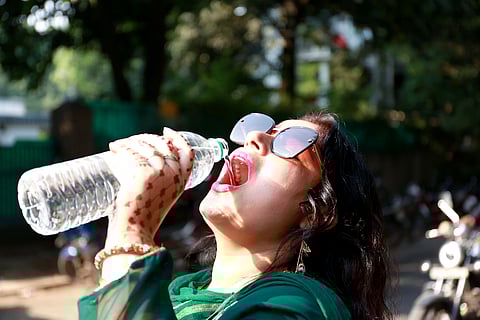

From Sweating to Digestion: Why Warm Water May Help Your Body Beat the Summer Heat
Credit: istockphoto

Drinking warm water in summer doesn’t cool the body instantly like cold water does, but it helps regulate heat more effectively over time. Warm water slightly raises internal temperature, triggering sweating, which is the body’s natural cooling mechanism. It also supports digestion, prevents bloating, and aids detoxification by improving circulation.
When the mercury rises and the air feels heavy, hydration becomes the body’s most urgent need. Most people instinctively reach for chilled water, believing it’s the fastest way to cool down. Yet, traditional wellness practices especially Ayurveda often recommend warm or room-temperature water even in peak summer.
This advice sparks curiosity: Can drinking warm water actually help the body stay cool? The answer lies in understanding how our body regulates temperature, how water temperature interacts with digestion and circulation, and why cultural traditions continue to favour warm water over icy alternatives.
The human body maintains a stable internal temperature through thermoregulation. When exposed to heat, the body sweats, and the evaporation of sweat cools the skin. Drinking warm water slightly raises internal temperature, which can trigger sweating and enhance this cooling mechanism. Cold water, on the other hand, lowers core temperature quickly but may constrict blood vessels, slowing circulation.
Cold water: Immediate relief, but short-lived.
Warm water: Promotes sweating, aiding natural cooling over time.
Room-temperature water: A balanced choice that hydrates without shocking the system.
1. Supports Digestion
Cold water can slow enzyme activity and solidify fats in food, making digestion sluggish. Warm water keeps the digestive tract active, reduces bloating, and prevents constipation which is a common summer complaints due to dehydration.
2. Encourages Detoxification
Warm water dilates blood vessels, improving circulation and helping organs flush toxins more efficiently. This supports liver and kidney function, which are vital during hot weather when the body is under stress.
3. Sustained Hydration
Cold water quenches thirst instantly but may trick the body into drinking less. Warm water, sipped slowly, ensures steady hydration and prevents dehydration.
4. Relieves Summer Ailments
Warm water can soothe sore throats from dust and pollution, ease cramps, and reduce acidity issues that often flare up in hot weather.
Ayurveda emphasizes balance. According to this ancient system, drinking warm water helps maintain Agni (digestive fire), supports detoxification, and prevents imbalance in Pitta dosha (which governs heat and metabolism). Cold water is believed to dampen digestive fire, leading to sluggishness and toxin buildup.
Risks & Considerations
Excess warm water may feel uncomfortable in extreme heat.
Cold water can cause digestive shock or cramps if consumed rapidly after exertion.
Individual preference matters: Some feel energized with cold water, others find warm water soothing.
Balance is key: Alternate between room-temperature and warm water, while avoiding excessive chilled drinks.
Drink room-temperature or mildly warm water during the day.
Use herbal infusions (tulsi, mint, ginger) for added cooling and digestive benefits.
Avoid ice-cold water immediately after meals, as it may hinder digestion.
Combine hydration with water-rich foods like cucumber, watermelon, and coconut water.
Sip water frequently rather than gulping large amounts at once.
Studies suggest that while cold water lowers body temperature quickly, warm water aids long-term regulation by promoting sweating and circulation. Neither is ‘better’ universally it depends on context. After exercise, cold water may be more effective, while during meals or rest, warm water supports digestion and hydration.
Drinking warm water in summer doesn’t cool you instantly, but it helps the body regulate heat through sweating, circulation, and digestion. Cold water offers quick relief, while warm water supports long-term balance. The best approach is moderation choosing water temperature based on context, activity, and personal comfort.
Drinking warm water in summer doesn’t cool you instantly, but it helps the body regulate heat through sweating, circulation, and digestion. Cold water offers quick relief, while warm water supports long-term balance. The best approach is moderation, choosing water temperature based on context, activity, and personal comfort.
Warm water doesn’t cool the body instantly. Instead, it raises internal temperature slightly, triggering sweating, a natural cooling mechanism. As sweat evaporates, the body cools down gradually. Warm water also supports digestion, prevents bloating, and aids detoxification by improving circulation. Sipped slowly, it ensures sustained hydration and helps the body manage heat more efficiently.
Choosing Between Cold and Warm Water
Cold water is best for immediate relief after physical activity or exposure to heat.
Warm water is ideal during meals, for digestion, and for sustained hydration throughout the day.
Room-temperature water often strikes the right balance, avoiding extremes while keeping the body comfortable.
Cold water and warm water serve different purposes. Cold water refreshes instantly but offers short-lived comfort, while warm water supports digestion, circulation, and gradual cooling. The choice depends on context after exercise, cold water may be more effective, but for overall wellness and balance, warm water is often the better option. Moderation and mindful hydration are the keys to staying healthy and cool in summer.
Cultural Practices Around the World
India: Ayurveda and traditional households recommend warm or room-temperature water, often infused with herbs like tulsi or mint.
China: Traditional medicine favours warm water to balance internal energy, and it’s common to be served hot water in restaurants.
Middle East: Herbal teas and warm infusions are consumed even in desert climates, believed to regulate body heat.
Western countries: Cold water is the norm, especially in summer, with ice cubes seen as essential for refreshment.
These cultural differences highlight how hydration is not just a biological need but also a reflection of lifestyle and tradition.
FAQs
How does warm water help the body stay cool in hot weather compared to cold water?
Warm water slightly raises internal body temperature, triggering sweating which is the body’s natural cooling mechanism through evaporation. Cold water provides immediate cooling by lowering core temperature quickly but may constrict blood vessels and reduce circulation. Warm water promotes gradual, sustained cooling by enhancing circulation and thermoregulation over time.
What are the digestive benefits of drinking warm water during summer?
Warm water supports digestion by keeping enzyme activity optimal and preventing fats in food from solidifying, unlike cold water which can slow digestion. It reduces bloating and constipation, common summer complaints due to dehydration, thereby maintaining digestive health in hot weather.
When should I choose cold water over warm water for hydration in summer?
Cold water is more beneficial immediately after physical activity or heat exposure as it rapidly lowers core temperature and offers instant relief. However, it should not be consumed quickly after exertion to avoid digestive shock. Warm or room-temperature water is preferable during meals or rest periods for better digestion and sustained hydration.
Are there any risks associated with drinking too much warm or cold water in summer?
Excessive warm water in extreme heat might cause discomfort due to raised internal temperature. Drinking cold water rapidly after exertion can lead to digestive cramps or shock. Individual preference also matters; some find warm water soothing, others cold water energizing. Moderation and balance between warm and room-temperature water are recommended.
At marvelof.com, we spotlight the latest trends and products to keep you informed and inspired. Our coverage is editorial, not an endorsement to purchase. If you choose to shop through links in this article, whether on Amazon, Flipkart, or Myntra, marvelof.com may earn a small commission at no extra cost to you.