
The Power of Zinc Explained: How Simple Food Choices Can Transform Immunity, Fertility, and Overall Wellness
Credit: istockphoto

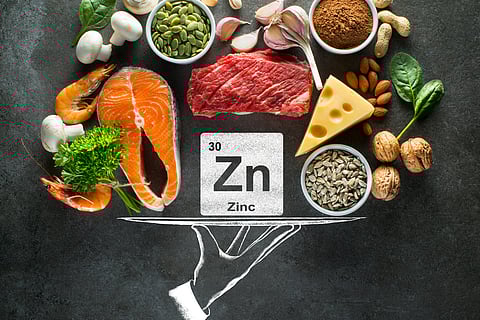
Zinc is an essential mineral that supports immunity, growth, hormone balance, and overall wellness. Since the body cannot store zinc, it must be consumed daily through food. Oysters and shellfish are the richest sources, while red meat, poultry, and dairy provide reliable amounts. Plant-based options include legumes, nuts, seeds, and whole grains, though absorption can be lower.
Zinc is one of those underrated minerals that quietly powers many essential functions in the body. From immunity and wound healing to fertility and metabolism, zinc plays a role in keeping you healthy and energized. Since the body cannot store zinc, it’s important to include zinc-rich foods in your daily meals. Let’s explore the best sources and how to make them part of your diet.
Zinc is a trace mineral, but its impact is far-reaching. It:
1. Strengthens the immune system, helping fight infections.
2. Supports growth and tissue repair, making it vital for children and athletes.
3. Regulates hormones and fertility, influencing reproductive health.
4. Enhances taste and smell, with deficiency often dulling these senses.
The recommended daily intake is about 8 mg for women and 11 mg for men, with higher needs during pregnancy and breastfeeding.
1. Oysters and Shellfish
Oysters are the ultimate zinc powerhouse, offering 32-74 mg per 3-ounce serving, far exceeding daily requirements. Other shellfish like crab, lobster, and shrimp also provide generous amounts. Including shellfish occasionally can give your zinc levels a significant boost.
2. Red Meat
Beef, lamb, and pork are excellent sources of zinc. A 100-gram serving of beef provides around 4-5 mg of zinc, along with protein and iron. Lean cuts are best for balancing nutrition with heart health.
3. Poultry
Chicken and turkey offer moderate zinc levels and are easy to incorporate into everyday meals. They provide lean protein while contributing to your zinc intake, making them ideal for balanced diets.
4. Dairy Products
Milk, cheese, and yogurt are reliable sources of zinc, especially for vegetarians. They also deliver calcium and protein, supporting bone health while ensuring you don’t miss out on this vital mineral.
5. Legumes
Chickpeas, lentils, and beans contain zinc, though absorption can be limited due to phytates. Pairing legumes with vitamin C-rich foods like tomatoes or lemon juice improves absorption. Indian staples like dal and chana are practical, affordable options.
6. Nuts and Seeds
Pumpkin seeds, sesame seeds, cashews, and almonds are excellent plant-based sources. Just a handful of pumpkin seeds can provide 2–3 mg of zinc. Sprinkle them over salads, blend into smoothies, or enjoy as snacks.
7. Whole Grains
Oats, quinoa, and brown rice contain zinc along with fibre and complex carbohydrates. Whole grains are healthier than refined grains, offering sustained energy while contributing to your mineral intake.
8. Dark Chocolate
Dark chocolate is a surprising source of zinc, with about 3 mg per 100 grams. While it’s not a primary source, enjoying it in moderation can add variety to your zinc intake.
9. Fortified Foods
Breakfast cereals and some breads are fortified with zinc, making them useful for vegetarians or those with limited dietary variety. Always check labels to ensure you’re getting added nutrients.
Zinc may be a small mineral, but its role in immunity, metabolism, and reproductive health is immense. By including foods like oysters, red meat, poultry, dairy, legumes, nuts, seeds, whole grains, and fortified cereals, you can easily meet your daily requirements.
For Indian diets, chickpeas, lentils, pumpkin seeds, and dairy are practical, affordable choices. A varied diet ensures you get enough zinc naturally, supporting long-term wellness and vitality.
FAQs
How does zinc benefit the immune system compared to other minerals?
Zinc specifically strengthens the immune system by supporting the function of immune cells and aiding in the fight against infections. Unlike some other minerals, zinc directly contributes to both innate and adaptive immunity, making it essential for preventing illness and supporting recovery.
What are the best food sources of zinc for vegetarians?
Vegetarians can obtain zinc from dairy products like milk, cheese, and yogurt, as well as plant-based sources such as legumes (chickpeas, lentils, beans), nuts and seeds (pumpkin seeds, cashews, almonds), whole grains (oats, quinoa, brown rice), and fortified cereals. Pairing legumes with vitamin C-rich foods enhances zinc absorption.
How can I improve zinc absorption from plant-based sources?
Zinc absorption from plant-based sources like legumes and whole grains can be limited due to phytates. To enhance absorption, consume these foods alongside vitamin C-rich items such as tomatoes or lemon juice. This combination reduces phytate interference and improves zinc bioavailability.
Is consuming oysters significantly more effective for zinc intake than red meat or poultry?
Yes, oysters provide an exceptionally high amount of zinc—32 to 74 mg per 3-ounce serving—far exceeding daily requirements, whereas red meat offers about 4-5 mg per 100 grams and poultry provides moderate levels. Including oysters occasionally can thus greatly boost zinc intake.
What is the recommended daily zinc intake for adults, and does this change during pregnancy?
The recommended daily zinc intake is approximately 8 mg for women and 11 mg for men. During pregnancy and breastfeeding, zinc requirements increase to support fetal development and lactation, so higher intake from diet or supplements may be needed.
At marvelof.com, we spotlight the latest trends and products to keep you informed and inspired. Our coverage is editorial, not an endorsement to purchase. If you choose to shop through links in this article, whether on Amazon, Flipkart, or Myntra, marvelof.com may earn a small commission at no extra cost to you.