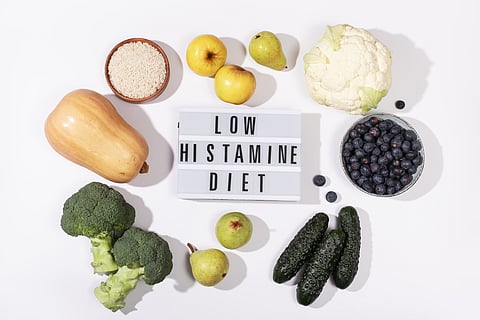

For histamine intolerance, pay attention to what foods are causing symptoms and try to eat foods that contain smaller levels of histamine.
Photo Credit: istockphoto

Histamine intolerance occurs when the body struggles to break down histamine in your diet, leading to headaches, hives, bloating, and more. A short-term low-histamine diet helps identify triggers. Foods such as aged cheese, cured meats, fermented vegetables, certain fish, alcohol, and even fresh produce like tomatoes or spinach can worsen symptoms.
Histamine sensitivity isn’t classical allergy with one clear blood test. But here the body is unable to get rid of chemical compounds fast enough. Histamine itself is totally normal because you use it for digestion, immunity and sneezing-and-itching response.
When the body's main gut cleaning agent diamine oxidase cannot keep the body going, things start going awry. Everyday foods can trigger headaches, flushing, hives, congested or runny nose, bloating and loose stools, sometimes within a couple of hours of eating.
A clinical diagnosis of histamine intolerance is made after ruling out allergies and other gut problems in a patient.
Patients would test a low‑histamine diet for a short time (typically 10–14 days) to see if symptoms ease. In order for that trial to be meaningful, it’s important to have a good picture of which foods are likely to cause trouble.
Bacteria break down amino acids in food, producing histamine. Those bacteria are given time to work when stored slowly or warm, fermented, cured and aged. Thereby a huge number of the worst foods for histamine intolerance are not fresh foods, but long-kept or processed ones.
A 2025 evidence summary on dietary management in Nutrients and clinical tools like the PEN Low Histamine Diet sheet group the main culprits into a few broad categories.1
Long‑ripened cheeses can carry very high histamine levels. Histamine and other biogenic amines rise steadily during the ageing process.
Lists from WebMD, European allergy centers and specialist clinics generally put the following in the avoid column for a strict low‑histamine phase:
- hard and semi‑hard aged cheeses (cheddar, Gouda, Emmental, Parmesan)
- blue cheeses (Roquefort, Gorgonzola, Stilton)
- soft‑ripened mould cheeses (Brie, Camembert)
- Fresh dairy products like plain milk and some fresh curd cheeses usually contain far less histamine and are often better tolerated, assuming no lactose issue.
Curing, smoking and drying also give bacteria time to generate histamine. As a result, low‑histamine diet guides consistently mark these as high‑risk:
- salami, pepperoni and other dry sausages
- bacon, ham, prosciutto and other cured pork
- smoked meats and many sliced deli meats
Fresh meat and poultry, cooked and eaten promptly or quickly chilled, usually contain much lower histamine levels than processed meats.
Fermented foods are nutritionally fashionable but problematic when histamine is the issue. Because they rely on bacteria acting on food over time, histamine and other amines can build up.
Most low‑histamine diet lists place these in the avoid group during the strict phase:
sauerkraut, kimchi and other fermented vegetables
vinegar‑based pickles left for long periods
soy sauce, miso, tempeh and tamari
yeast extracts and some ready‑made stocks
Guidance from European nutrition groups suggests using fresh herbs, salt, pepper, garlic, ginger and lemon or lime juice for flavor while histamine intake is being tightly controlled.
Fish can become extremely high in histamine if the cold chain breaks. Bacteria on the surface convert histidine in the flesh to histamine, especially in darker, oily species.
As a result, low‑histamine diet protocols usually say to avoid:
canned tuna, sardines, mackerel and anchovies
dried, salted or smoked fish
fish pastes and fish sauces
Very fresh, properly chilled white fish is lower risk, but many clinicians still advise limiting fish strictly during the first 10–14 days of a low‑histamine trial.
Alcohol substances, such as wine, beer, and other drinks, induce a rise in histamine levels because they make the removal of histamine harder.
The body utilizes alcohol to stop the enzyme DAO, which is used to break down histamine in the intestinal tract.
The Nutrients 2024 review article on histamine intolerance, as well as the 2023 PEN practice review, suggest that alcohol should be completely avoided during the strict low histamine diet phase.2
Histamine intolerant patients should avoid common food items that contain moderate amounts of histamine, which induce histamine release, although they contain low histamine.
Recent clinical summaries and education sheets commonly flag:
Tomatoes and tomato sauces
Spinach and eggplant
Avocado
Citrus fruits (oranges, lemons, limes, grapefruits)
Chocolate and cocoa
Nuts (particularly cashews, walnuts, peanuts)
Ready‑made stock cubes and yeast‑based spreads
Because tolerance varies so widely, these foods are usually removed during the initial strict phase, then reintroduced one at a time, watching for symptom return.
One tricky aspect of histamine intolerance is that the same food can be relatively harmless one day and more of a problem the next. Time and temperature are key.
The 2024 and 2025 reviews in Nutrients emphasize that histamine levels rise after processing and during storage, especially if food spends time in the warm range (for example, left out or in a crowded, over‑filled fridge).
Practical advice is cooking and eating food soon after preparation,
Cooling leftovers quickly in small portions and freezing if they’re not needed within a day
Avoiding slow‑cook dishes that sit warm for many hours
Treating minced meat and fish as use immediately foods, as they spoil faster
The idea is not only to avoid high‑histamine ingredients but to stop extra histamine forming in otherwise low‑histamine foods.
Despite the popularity of histamine‑free lists online, the formal evidence remains limited but growing.;
A 2025 article titled “Evidence for Dietary Management of Histamine Intolerance published in Nutrients reviewed all data and concluded that there is no single standard list of histamine-containing foods, with wide variation between brands or batches.
The diagnosis of histamine intolerance still lacks a universally accepted test method and small case series and pre‑post studies do show symptom improvement, especially for digestive upset, flushing and headaches, when a structured low‑histamine diet is followed for about two weeks and then relaxed in a stepwise way.
Low histamine diets need to be for a short period to avoid unnecessary restriction in the diet.
Cleveland Clinic, as well as other prominent clinics, agrees that a low histamine diet should be used as a tool to prove a theory, not as a self-enforced restriction on a wide variety of foods.3
Histamine intolerance affects people through its connections to allergy and gastroenterology and nutritional science.
The safest path is to work with a clinician or dietitian who knows the area, try a short, strict low‑histamine phase using well‑researched food lists, and then gradually find your personal safe zone rather than cutting everything forever.
How does a low-histamine diet help manage histamine intolerance symptoms?
A low-histamine diet helps reduce symptoms by limiting intake of foods high in histamine or that trigger histamine release. This diet allows the body’s enzyme diamine oxidase (DAO) time to clear histamine properly, alleviating symptoms like headaches, flushing, and digestive issues. Clinical studies indicate symptom improvement typically occurs within 10–14 days of following a strict low-histamine phase.
Which foods are most important to avoid during the strict low-histamine diet phase?
Key foods to avoid include aged cheeses (like cheddar and blue cheese), cured and smoked meats (such as salami, bacon, and ham), fermented vegetables and soy products (like sauerkraut and soy sauce), certain fish and seafood (canned tuna, smoked fish), and alcohol. Additionally, moderate histamine-containing foods like tomatoes, avocado, citrus fruits, and nuts are generally removed initially to monitor tolerance.
Can I eat fresh meat and fresh dairy products on a low-histamine diet?
Yes, fresh meat and poultry that are cooked and consumed promptly or chilled quickly generally contain much lower histamine levels compared to processed meats. Fresh dairy products like plain milk and some fresh curd cheeses also tend to have lower histamine and are often better tolerated, provided there are no lactose issues.
Q: Why is food handling and storage important when following a low-histamine diet?
Histamine levels in foods increase over time, especially when exposed to warm temperatures or improper storage. Slow cooking, leaving food warm for hours, or storing in crowded fridges can promote bacterial growth that produces histamine. Quick cooking, eating freshly prepared foods, speedy cooling of leftovers, and freezing unused portions minimize additional histamine formation.
Is a low-histamine diet recommended long term or only temporarily?
Experts recommend a short-term, structured low-histamine diet (usually 10–14 days) as a diagnostic and symptom management tool rather than a permanent dietary change. After this phase, foods are gradually reintroduced to identify personal tolerance levels. Prolonged unnecessary restriction may negatively impact nutrition and quality of life, so working with a clinician or dietitian is advised.Histamine Intolerance
Disclaimer: This content is for general informational purposes only and should not replace professional medical advice. Always consult a qualified healthcare provider with any questions about your health or treatment options.
References
1. National Library of Medicine| Evidence for Dietary Management of Histamine Intolerance
2. National Library of Medicine | Histamine Intolerance: Symptoms, Diagnosis, and Beyond
3. Cleveland Clinic| Histamine Intolerance
At marvelof.com, we spotlight the latest trends and products to keep you informed and inspired. Our coverage is editorial, not an endorsement to purchase. If you choose to shop through links in this article, whether on Amazon, Flipkart, or Myntra, marvelof.com may earn a small commission at no extra cost to you.