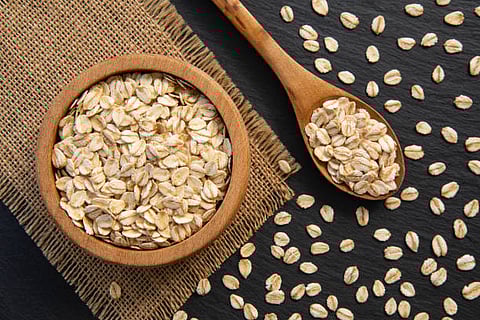


The presence of avenanthramides in oats can help individuals with oxidative stress by stimulation the production of nitric oxide gas. The gas molecule can support in dilating blood vessels, leading to healthier blood flow. Avenanthramides offer anti-inflammatory and anti-itching properties.
Oats is no longer a tasty breakfast option but it can offer several health benefits that can make a big difference in your overall health. It is packed with several essential nutrients and vitamins that can support your heart health, support weight loss, lower blood sugar, alleviate childhood asthama, improve digestion, and overall well-being.
If you consume 40.5 grams of oats every day, you will get 63.9% of daily value (DV) manganese, 13.3% of DV phosphorous, 13.3% of DV magnesium, 17.6% of DV copper, 9.4% of DV iron, 13.4% of DV zinc, 3.2% of DV folate, 15.5% of DV vitamin B1 or thiamin, 9.1% of DV vitamin B5, and smaller quantities of calcium, potassium, vitamin B6, and vitamin B3, according to healthline.
Rich In Antioxidants: The food is an excellent source of antioxidants and helpful plant compounds namely polyphenols. It offers a special group of antioxidants known as avenanthramides. According to a study conducted by National Library of Medicine, the presence of avenanthramides in oats can help individuals with oxidative stress by stimulation the production of nitric oxide gas. The gas molecule can support in dilating blood vessels, leading to healthier blood flow. Avenanthramides offer anti-inflammatory and anti-itching properties.
Contains Soluble Fibre: The food contains adequate amount of beta-glucan, a soluble fibre that can partially dissolve in water and create a thick and gel like solution in the gut. Beta-glucan can bring blood glucose and insulin response, enhance growth of good bacteria in the digestive tract, and helps in regulating type 2 diabetes.
Reduces Cholesterol: Heart diseases have emerged a chief cause of mortality all over the globe. High blood cholesterol can pose huge risk to heart disease. The presence of beta-glucan fibre in oats can be highly beneficial in bringing down total and LDL (bad) cholesterols. Oats can also help in protecting LDL or bad cholesterol from oxidation. LDL cholesterol raises several risk as it can produce inflammation in arteries, damage tissues, and increase risk of heart attacks.
Supports Weight Management: Oatmeal can be a highly nutritious breakfast and can help you feel full thus restricting unwanted snacking. Consuming filling foods can help you eat lesser calories and shed weight. The presence of beta-glucan in oats can boost the feeling of fullness and delay the time required for your tummy to empty food. Beta-glucan can support the release of peptide YY, hormone that occurs in gut in response to eating. The satiety hormone will help in reducing calorie intake and alleviate risk of obesity.
Supports Skin, Hair Health: The food offers antioxidants and anti-inflammatory properties that can sooth dry and itchy skin. It helps in curing acne and skin eczema. Oats can also lead to better hair growth and improved skin health when consumed on a regular basis. The food can also support healthy eating and can be a vital source of sustainable nutrition.
If you are looking to regulate cholesterol, you can also include guava and millets to your daily diet. Guava contains essential nutrients like vitamin C, potassium, dietary fibre, and sodium that can support your heart, improve digestion, regulate cholesterol, and even help you shed those extra calories.
Meanwhile, millets are a powerful source of magnesium and potassium. These minerals play crucial role in controlling blood pressure. Presence of fiber in millets can aid in lowering bad cholesterol or LDL) that will subsequently bring down heart disease risks. It is ideal to include the millets in your diet as the food may improve cardiovascular health and boost lipid profiles.
Disclaimer: This content is for general informational purposes only and should not replace professional medical advice. Always consult a qualified healthcare provider with any questions about your health or treatment options.
At marvelof.com, we spotlight the latest trends and products to keep you informed and inspired. Our coverage is editorial, not an endorsement to purchase. If you choose to shop through links in this article, whether on Amazon, Flipkart, or Myntra, marvelof.com may earn a small commission at no extra cost to you.