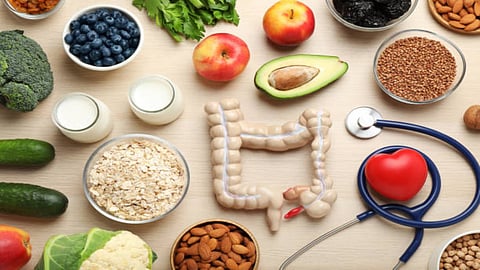

The excellent sources of insoluble fibre include whole-wheat flour, nuts, vegetable like cauliflower, potatoes, green beans, and beans among others.
Photo Credit: istockphoto

Fibre is crucial for digestion, absorption of nutrients, and gastrointestinal health. The example of soluble fibre includes pectin, gums, fructans, and resistant starches. They absorb water to form gel that slows gastric emptying, slows glucose absorption, and prevents postmeal blood sugar spikes.
Fibre supports a healthy gut microbiome that plays vital role for overall health. Getting adequate fibre everyday through diet can strengthen immune health, support gut health, decrease inflammation, reduce inflammation, decrease heart disease risk, obesity, Type 2 diabetes, and several cancers, among others.
Fibre consists parts of plant-based foods that body can not digest. It makes it different from nutrients like proteins, fats, and carbs like sugars and starches. Fibre passes mostly intact via the stomach, small intestine, colon, and out of the body.
There are two types of fibre known as soluble fibre and insoluble fibre. Soluble fibre can dissolve in water that will subsequently form a gel-type material in the stomach and slows down digestion. It will reduce cholesterol and blood sugar. Soluble fibre can be found in bananas, avocados, cirtrus fruits, carrots, peas, beans, barley, and oats.
On the other hand, insoluble fire also does not dissolve in water. It can add bulk to the stool and helps people suffering from constipation. The excellent sources of insoluble fibre include whole-wheat flour, nuts, vegetable like cauliflower, potatoes, green beans, and beans among others.
According to a study featured in National Library of Medicine, fibre is crucial for digestion, absorption of nutrients, and gastrointestinal health. The example of soluble fibre includes pectin, gums, fructans, and resistant starches. They absorb water to form gel that slows gastric emptying, slows glucose absorption, and prevents postmeal blood sugar spikes. Soluble fibre can bind bile acids, reduce LDL cholesterol levels (bad cholesterol), and function as a prebiotic substrate for gut microbiota that can create short-chain fatty acids which reduce inflammation and support metabolic and immune functions. 1
“In contrast, insoluble fiber does not dissolve in water. Insoluble fibers include lignin, cellulose, and hemicellulose, which reduce intestinal transit time and increase fecal bulk to promote digestive regularity. Both soluble and insoluble fibers enhance satiety, aid in weight management, and support cardiovascular and metabolic health,” added the study. 1
It is worth noting that several high-fibre plant foods are rich sources of both soluble and insoluble fibre. You can get adequate amount of soluble and insoluble fibre with the consumption of fibre-rich foods.
21 grams for women above 50 years
25 grams for women age 50 or below.
30 grams for men above 50 years.
38 grams for men age 50 or below. 2
According to World Health Organisation (WHO), “Everyone older than 10 years of age should also aim for a daily intake of at least 25 grams of naturally-occurring dietary fibre as found in foods, with lesser amounts for children under 10: at least 15 or 21 grams for children 2–5 or 6–9 years of age, respectively.” 3
Recently, Dr. Saurabh Sethi, AIIMS-trained gastroenterologist and liver specialist, also educated at Harvard and Stanford, took to his Instagram account and shared 5 foods rich in fibre. He said, “most people focus on calories or protein. In clinic, I see that fibre intake often predicts gut and metabolic health more consistently. My goal-feed the microbiome daily.” 4
1. Slightly Green Bananas: Dr Sethi recommended consuming 1 medium banana daily as it is rich in resistant starch. It helps feed beneficial gut bacteria, supports blood sugar stability, and improves satiety. He advised to pick slightly green banana.
2. Chia Seeds: The doctor suggested to eat 1 to 2 tablespoons of chia seeds every day. Chia seeds are high in soluble fibre that forms gel in the gut. The seeds slows digestion, supports fullness, and promotes regular bowel habits. You may add chia seeds to yogurt or smoothies.
3. Lentils & Legumes: He advised to eat approximately half to 1 cup of cooked lentils and legumes, most days. They provide soluble and insoluble fibre, plant protein, and microbiome fuel.
4. Berries: The Harvard-trained doctor recommended eating half to 1 cup of berries every day, especially blueberries and raspberries. Berries contain fibre, polyphenols, and antioxidants that support gut bacteria.
5. Nuts: The gut doctor suggested adding a handful of nuts (approximately ¼ cup) daily, especially walnuts and almonds. These nuts provide fibre along with healthy fats. They can support satiety, metabolic health, and gut microbial diversity.
FAQs
What are the main differences between soluble and insoluble fibre?
Soluble fibre dissolves in water to form a gel-like material that slows digestion, reduces cholesterol, and stabilizes blood sugar. It is found in foods like bananas, oats, and beans. Insoluble fibre does not dissolve in water and adds bulk to stool, helping prevent constipation. Sources include whole-wheat flour, nuts, and vegetables like cauliflower and potatoes. Both types support gut health but function differently in the digestive system.
How can I implement high-fibre foods into my daily diet for better gut health?
According to Dr. Saurabh Sethi, incorporating the following fibre-rich foods daily supports gut health: slightly green bananas (1 medium), chia seeds (1-2 tablespoons), lentils and legumes (½ to 1 cup cooked), berries (½ to 1 cup, especially blueberries and raspberries), and nuts like walnuts and almonds (¼ cup). These foods provide both soluble and insoluble fibre to nourish gut microbiota and improve digestion.
What is the recommended daily intake of dietary fibre for adults?
The Mayo Clinic recommends 25 grams daily for women under 50, 21 grams for women over 50, 38 grams for men under 50, and 30 grams for men over 50. The WHO advises everyone older than 10 years to consume at least 25 grams of naturally occurring dietary fibre daily. Children have lower recommendations depending on age, ranging from 15 to 21 grams.
How does dietary fibre contribute to reducing health risks like heart disease and diabetes?
Soluble fibres bind bile acids and help lower LDL cholesterol, reducing heart disease risk. They also slow glucose absorption and prevent blood sugar spikes, contributing to diabetes management. Insoluble fibres promote digestive regularity and aid in weight management. Together, they decrease inflammation and support metabolic health, which lowers the risk of obesity, Type 2 diabetes, and some cancers.
Are the fibre recommendations and suggested foods trustworthy for improving gut health?
Yes, the fibre recommendations are based on guidelines from reputable sources like Mayo Clinic and WHO. Dr. Saurabh Sethi, an AIIMS-trained gastroenterologist with Harvard and Stanford education, supports these recommendations. The suggested foods are evidence-backed sources of soluble and insoluble fibre known to fuel beneficial gut microbiota and promote cardiovascular, metabolic, and digestive health.
National Library of Medicine|The Role of Dietary Fiber in Health Promotion and Disease Prevention: A Practical Guide for Clinicians
Mayo Clinic|Dietary fiber: Essential for a healthy diet
World Health Organisation|Healthy Diet
Dr. Saurabh Sethi, AIIMS-trained gastroenterologist via Instagram| 5 gut healthy foods
Disclaimer: This content is for general informational purposes only and should not replace professional medical advice. Always consult a qualified healthcare provider with any questions about your health or treatment options.
At marvelof.com, we spotlight the latest trends and products to keep you informed and inspired. Our coverage is editorial, not an endorsement to purchase. If you choose to shop through links in this article, whether on Amazon, Flipkart, or Myntra, marvelof.com may earn a small commission at no extra cost to you.