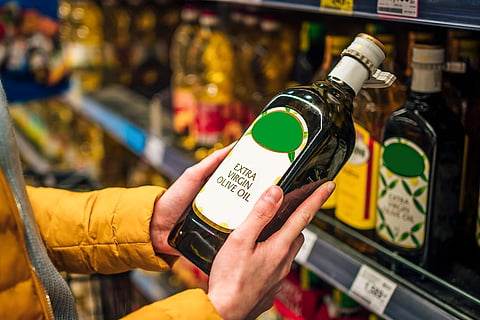

Balanced Nutrition: How Olive Oil and Mustard Oil Fit into Indian Meals
Credit: istockphoto

Olive oil and mustard oil both offer unique benefits for the Indian diet. Olive oil, rich in monounsaturated fats and antioxidants, supports heart health and is best used raw in salads or light cooking. Mustard oil, with its high smoke point and omega‑3 fatty acids, is ideal for traditional Indian cooking styles like frying and sautéing. While olive oil is more expensive and suited for low‑heat dishes, mustard oil is affordable, widely available, and culturally rooted.
Olive oil and mustard oil are two of the most debated choices when it comes to healthy cooking in India. Both have unique nutritional profiles, distinct flavours, and cultural relevance. Olive oil, celebrated worldwide for its heart‑healthy monounsaturated fats and antioxidants, is often associated with Mediterranean diets and modern wellness trends. Mustard oil, on the other hand, is deeply rooted in Indian kitchens, prized for its pungent aroma, high smoke point, and omega‑3 fatty acids. The question isn’t just which oil is healthier, it’s about which one fits better into the Indian diet, cooking styles, and affordability.
Nutritional Benefits
Olive oil is rich in monounsaturated fats, which are known to reduce bad cholesterol and improve heart health. It also contains antioxidants like polyphenols that fight inflammation and oxidative stress.
Mustard oil, meanwhile, offers a mix of monounsaturated and polyunsaturated fats, including omega‑3 fatty acids that support cardiovascular health. Its sharp taste often encourages moderation, indirectly helping with calorie control.
Both oils have their strengths, but olive oil is best consumed raw or lightly heated to preserve its delicate nutrients, while mustard oil retains its benefits even in traditional high‑heat cooking.
Cooking Suitability
Indian cooking often involves frying, sautéing, and tempering spices at high temperatures. Mustard oil, with its high smoke point, is naturally suited for these methods.
Its pungent flavour enhances curries, stir‑fries, and pickles, making it a cultural staple. Olive oil, especially extra virgin, has a lower smoke point and is better suited for salads, drizzling over cooked vegetables, or light stir‑fries.
Using olive oil for deep frying can degrade its nutrients and produce harmful compounds. For everyday Indian cooking, mustard oil is more practical, while olive oil shines in raw or low‑heat applications.
Health Impact
Olive oil is widely studied for its role in reducing inflammation, improving cholesterol levels, and supporting heart health. It is a cornerstone of the Mediterranean diet, which is linked to longevity. Mustard oil, though less globally marketed, has its own health benefits. It contains omega‑3 fatty acids, antibacterial properties, and compounds that may support digestion. However, excessive consumption of fried foods in mustard oil can still be harmful. The healthiest approach is moderation and using olive oil for salads and mustard oil for cooking ensures a balance of nutrients and flavours.
Price Comparison
Olive oil is significantly more expensive in India and not always practical for daily cooking. It is often seen as a premium product, accessible mainly to urban households. Mustard oil, by contrast, is affordable, widely available, and culturally familiar. Its deep roots in Indian cuisine make it a staple in many homes, especially in rural areas. For families cooking large meals daily, mustard oil is the more economical choice.
For the Indian diet, mustard oil is often more practical due to its high smoke point, affordability, and cultural fit. Olive oil, while excellent for heart health, is best reserved for salads, drizzles, and low‑heat dishes. T
he healthiest approach is not choosing one over the other but combining both in moderation.
At marvelof.com, we spotlight the latest trends and products to keep you informed and inspired. Our coverage is editorial, not an endorsement to purchase. If you choose to shop through links in this article, whether on Amazon, Flipkart, or Myntra, marvelof.com may earn a small commission at no extra cost to you.