

Horse grams can also decrease various markers of inflammation that can lead to chronic diseases like heart disease. It helps in raising good cholesterol or HDL as a result of its high fibre and polyphenol content. The presence of high fibre, low fat, protein, and antioxidants can decrease cardiovascular risks significantly.
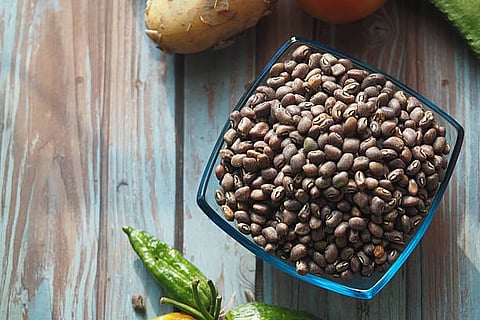
Horse gram, popularly known as Kulthi dal, offers an array of health benefits ranging from kidney, heart, diabetes, weight management, immunity, and asthma. It is packed with antioxidants, proteins, fibre, and emerged a potent source of energy. It offers necessary vitamins and minerals such as vitamin C1, phosphorous, and iron.
It is grown in several states of India such as Telangana, Maharashtra, Andhra Pradesh, and Uttar Pradesh. The sustainable crop can support your healthy eating habits when consumed on a regular basis. The pulse offers drought resistant quality and therefore gained popularity in regions with limited water availability.
If you consume 100 grams of kothli dal, it can offer you 321 calories, 25.3 grams protein, 60.9 grams carbohydrates, 5.3 grams dietary fibre, 2 grams fat (quite low), 7 milligrams iron (high), 287 milligram calcium, and 3 grams minerals.
Supports Weight Management: It is loaded with fibre and protein, two essential nutrients that play vital role in your weight management plans. The consumption of the dal improves satiety and brings overall calorie intake. Horse gram’s low-glycemic index can regulate blood sugar and its thermogenic qualities can improve metabolism and break down fat. Regular consumption in the form of salads, soup, and sprouts can support effective weight loss. Regular consumption will support overall health as it is crucial source of sustainable nutrition.
Improves Heart Health: Horse gram has emerged highly beneficial in boosting heart health and it can alleviate risk factors that can pose heart disease risks. According to a study in rats with high cholesterol, the extract of horse gram or kulthi dal brought down cholesterol levels, LDL or bad cholesterol, and triglycerides, according to a report featured in healthline. Horse grams can also decrease various markers of inflammation that can lead to chronic diseases like heart disease. It helps in raising good cholesterol or HDL as a result of its high fibre and polyphenol content. The presence of high fibre, low fat, protein, and antioxidants can decrease cardiovascular risks significantly.
Improves Kidney Health: The dal functions as a natural diuretic than can enhance urine flow. The increased urine flow can assist in flushing out excess fluids, toxins, and stone particles from urinary tract thus alleviating obstruction risk. It also offers antioxidants like polyphenols, flavonoids, and protein that can prevent the crystalisation procedure of calcium phosphate salts that leads to the formation of kidney stones. Consistent intake of the dal can aid in breaking down existing stones and prevent creation of new stones. The superfood is an excellent source of fibre, iron, and necessary vitamins that can support overall kidney health and improve immunity.
According to a report published in National Library of Medicine, “The importance of horse gram was well recognized by the folk/alternative/traditional medicine as a potential therapeutic agent to treat kidney stones, urinary diseases, piles, common cold, throat infection, fever etc.”
Beetroot is another fruit that can support kidney health immensely. Beetroots are rich in oxalates that can lead to development of kidney stones to vulnerable individuals group. Boiling the vegetable will leach out oxalates into water thus making it safer for people having history of kidney stones.
Meanwhile, walnuts are highly beneficial for boosting heart health. Walnuts have emerged a powerful source of alpha-linolenic acid (ALA), a key omega-3 fatty acid that can help in bringing down inflammation. This is the only dry fruit that contains significantly high amount of omega-3 fatty acids. Its anti-inflammatory compounds can effectively bring down the risk of heart diseases, according to Dr. Saurabh Sethi, Harvard, Stanford, and AIIMS-trained gastroenterologist and gut health expert.
Disclaimer: This content is for general informational purposes only and should not replace professional medical advice. Always consult a qualified healthcare provider with any questions about your health or treatment options.
At marvelof.com, we spotlight the latest trends and products to keep you informed and inspired. Our coverage is editorial, not an endorsement to purchase. If you choose to shop through links in this article, whether on Amazon, Flipkart, or Myntra, marvelof.com may earn a small commission at no extra cost to you.