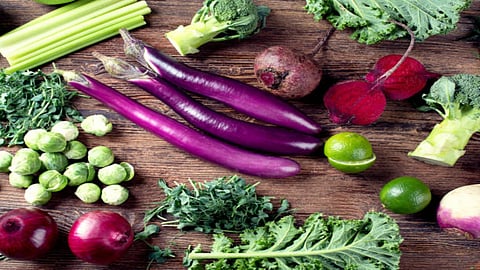

Consuming vegetables in raw form can also expose individuals to harmful bacteria, toxins, and parasites that can unleash havoc to the health.
Photo Credit: istockphoto

Raw consumption of kale, spinach, and cabbage carries risks of parasites (tapeworm eggs), bacteria (E.coli), high oxalates (kidney stones), and goitrogens (thyroid dysfunction).
Eating raw vegetables is often suggested as healthy due to the presence of essential vitamins and fibre. There has been a thought associated with cooking vegetables that the process can rob them of their key nutrients. However, there are a few vegetables that carry particular risks when consumed uncooked. The nutrient absorption of some vegetable become better when they are cooked.
Consuming vegetables in raw form can also expose individuals to harmful bacteria, toxins, and parasites that can unleash havoc to the health. Also, local food-handling practices, storage during different weather conditions, and lack of cleanliness can expose individuals to foodborne illness.
According to a study published in National Library of Medicine, raw consumption of kale, spinach, and cabbage carries risks of parasites (tapeworm eggs), bacteria (E.coli), high oxalates (kidney stones), and goitrogens (thyroid dysfunction). While nutritious, these vegetables are better cooked to destroy contaminants and improve digestion. Parasitic contamination rates for raw leafy greens can be high, with one study showing 52.9% for cabbage and 54.2% for spinach. 1
Recently, leading Ayurvedic expert Dimple Jangda took to her Instagram account and shared 4 vegetables that should never be consume in raw form. She said these vegetables are “Home to parasites and bacteria like E.coli or even tapeworms and tapeworm eggs. If they enter our gut and bloodstream, or even enter the brain, they can cause serious diseases like cysticercosis, seizures, headaches, damage to the liver and even cysts in the muscles.” 2
1. Colocasia Leaves, Spinach, Kale: They are also called arbi ka patta. Dimpla Janga recommended to “always blanch them in hot water before using them in your diet.” The similar rule will be applicable to spinach or kale. She has advised to blanche them in hot water as they been associated with high oxalate level that can be reduced when you blanch them.
Washing spinach, kale, and arbi ka patta should be washed properly and blanched. It can eliminate the harmful bacteria, pesticide residues, and eliminate toxins like calcium oxalate crystals. The vegetables are grown near the soil that can make them increasingly susceptible to contamination.
2. Cabbage: Number two is cabbage. The Ayurvedic expert said cabbages are “notorious for harboring tapeworms and tapeworm eggs, which is invisible to the naked eye. Some of these tapeworms have survived some of the harshest insecticides and pesticides, so your vegetable washes are too mild for them.” She has urged to “blanch the cabbage in hot water and then cook it well before you consume it.”
Also, you can discard the first 2-3 outer layers of the veggie for safety as they may carry maximum contaminants. Never wash the whole cabbage. Instead, cut it into quarter to allow water to penetrate properly. You may also soak the veggie in salt water for 10-15 minutes to remove hidden insects. Rinse all the pieces properly under running water.
3. Capsicum/Bell Pepper: Dimple Jangda said, “Remember to remove the crown, deseed the capsicum and run it under hot water, because the seeds can also be home to tapeworm eggs, which survive inside the fruit.”
Bell Peppers may also have a waxy coating to make them appear fresh and attractive. Washing them with hot water can also help you get rid of the waxy coating. Washing them can also stop the bacteria and contaminants on the outside from being transferred to inside the flesh when you slice them.
4. Aubergine (Eggplant/Brinjal): The health expert said, “The seeds are again home to tapeworm eggs. Remember to cook it really well to kill these parasites, tapeworms and tapeworm eggs from entering our bloodstream. In fact, aubergine is such a complex vegetable that many households in India don’t bring this vegetable at home.”
Adequate washing of the vegetable under running water can eliminate dirt, pesticide, residues, and bacteria from the thick and frequently waxed skin. Blanching the Aubergine can also help in eliminating bitter compounds from the veggies.
She concluded the post saying, “Remember, prevention is always better than cure. Doesn’t matter what cooking methods you use boiling, blanching, steaming, cooking - please ensure to cook your foods at least lightly before you consume them.”
FAQs
Why should kale, spinach, and colocasia leaves never be eaten raw?
Kale, spinach, and colocasia leaves carry risks such as parasites (e.g., tapeworm eggs), bacteria like E.coli, and high oxalate levels, which can cause kidney stones. Cooking, particularly blanching in hot water, reduces these risks by destroying contaminants and lowering oxalate content, improving safety and digestion.
How does cooking cabbage reduce health risks compared to eating it raw?
Raw cabbage can harbor tapeworms and tapeworm eggs resistant to common washing methods. Cooking, especially blanching followed by thorough cooking, kills these parasites and bacteria. Removing 2-3 outer leaves, cutting into quarters, and soaking in salt water before cooking further help reduce contaminant presence.
What is the recommended method to prepare bell peppers safely before consumption?
To safely consume bell peppers, remove the crown and seeds since seeds can harbor tapeworm eggs. Washing the bell pepper under hot water removes bacteria and potential waxy coatings, preventing contamination transfer when slicing and reducing health risks.
What are the risks associated with eating raw aubergine (eggplant), and how should it be prepared?
Aubergine seeds may contain tapeworm eggs and parasites, posing health risks if eaten raw. Adequate washing under running water eliminates surface dirt and pesticides. Cooking thoroughly, including blanching, kills parasites and reduces bitter compounds, making aubergine safe and palatable.
Is blanching effective against pesticide residues and parasitic contamination in vegetables?
Yes, blanching vegetables like kale, spinach, colocasia leaves, and cabbage in hot water effectively reduces pesticide residues, bacteria, and parasites such as tapeworm eggs. It also decreases toxins like calcium oxalate crystals, enhancing safety and nutrient absorption compared to raw consumption.
National Library of Medicine|The bacterial and parasitic contamination of raw vegetables and fruits collected from local farms and markets in Ethiopia: a systematic review and meta-analysis of patterns and associated factors
Ayurvedic health expert Dimple Jangda via Instagram|Four vegetables we should never eat raw
Disclaimer: This content is for general informational purposes only and should not replace professional medical advice. Always consult a qualified healthcare provider with any questions about your health or treatment options.
At marvelof.com, we spotlight the latest trends and products to keep you informed and inspired. Our coverage is editorial, not an endorsement to purchase. If you choose to shop through links in this article, whether on Amazon, Flipkart, or Myntra, marvelof.com may earn a small commission at no extra cost to you.