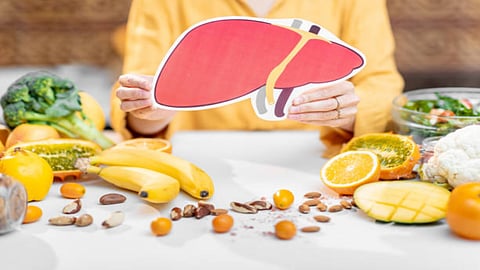

Fruits should only be consumed really in the fall and in season and in small amounts.
Photo Credit: istockphoto

Fructose is not bad. Overload of fructose is. Now when you eat too much fructose it hits your liver especially from fruit juices, fruit bowls, smoothies especially from desserts. Your liver quietly converts extra into fat.
Fatty liver is one of the common liver conditions that has affected scores of people. It can occur due to unhealthy lifestyle, poor diet, excessive alcohol intake, obesity, high cholesterol, and diabetes. The condition is often characterized by an excess presence of fat in liver. The main function of liver is to eliminate toxins and create bile and digestive proteins. Fatty liver disease can negatively impact the liver and prevents it from functioning effectively.
There are two kinds of fatty liver namely alcohol-linked fatty liver and non-alcoholic fatty liver. The major reason of alcohol-linked fatty liver remains the intake of higher alcohol. Meanwhile, when it comes to non-alcoholic liver disease, the major factors remain obesity and sedentary lifestyle.
Fatty liver begins to develop when excess fat starts building up in the liver cells that can make up more than 5 to 10% of the liver’s weight. It may not cause any symptoms in the beginning stages. Probably, this is the reason why several individuals do not realise they are already suffering from fatty liver until it is shown in their annual health check-up. However, the good thing is that fatty liver situation can be reversed with lifestyle changes.
Recently, leading nutritionist and dietitian Nmami Agarwal shared a post on Instagram revealing how excess intake of food can affect liver health. “You might be eating “healthy”…but your liver might disagree. Fruits are healthy, yes. But they contain fructose, and when consumed in excess (especially all at once), fructose is processed directly by the liver. Over time, too much of it can contribute to fat accumulation in the liver, even if the rest of your diet looks clean. This doesn’t mean you stop eating fruits. It means you eat them right.” 1
"Fruits have two types of sugar. First is glucose, your body loves this sugar. It actually fuels your workout, exercise, walking, your body even uses this when you are thinking. Second is fructose. Different story altogether. This sugar is handled by your liver. Fructose is not bad. Overload of fructose is. Now when you eat too much fructose it hits your liver especially from fruit juices, fruit bowls, smoothies especially from dessertsYour liver quietly converts extra into fat," added Nmami.
For example, grapes have around 8 grams of fructose, apple around 5-6 grams, and banana around 6 grams of fructose. So one fruit at a time, perfect. But all fruits together in bulk, that is not healthy eating,” said the nutritionist.
Meanwhile, Dr Pradip Jamnadas, MD, an interventional cardiologist from Orlando spoke on whether fruits are really as healthy as we think. In a segment from The Diary Of A CEO podcast, Dr Pradip emphasised that higher sugar levels, even from fruit, can affect insulin and overall health in a negative manner. 2
Dr Pradip said, “Excess of fruit, because I am not a very big follower of fruit. Fruit should be eaten only in season because there is too much fructose in it. Fructose is sugar and fructose can cause fatty liver. So our overconsumption of fruit is another factor that is contributing to coronary disease, diabetes, and fatty liver. And, we think of fruit as being a healthy thing. But fruit should only be consumed really in the fall and in season and in small amounts. Because that high fructose level really causes major changes in your metabolism.”
Recently, Dr. Saurabh Sethi, also known as the gut doctor, a gastroenterologist trained at AIIMS, Harvard, and Stanford Universities, took to his Instagram account and shared three powerful drinks for individuals with fatty liver. “I am a liver specialist, and these are the three drinks I often recommend to my patients with fatty liver disease," he said in the Instagram video. 3
1. Beetroot Juice: Beetroot juice has emerged as a magical drink that can cure several diseases with great ease. It possesses nitrates and antioxidants, essential for healthy liver. The presence of high content of betaine and betalains that can bring down liver fat, offers protection against oxidative stress, fights inflammation, and helps detoxification.
The juice can effectively reverse fat accumulation and boosts liver enzymes such as ALT/AST. Several studies indicate the juice can dissolve fat in the liver and reduces dangerous lipids. Moderation will be key to avoid higher sugar intake. Dr Sethi said, “it is packed with betalains that are powerful antioxidants that can protect liver cells and reduce fat accumulation. Drink in moderation so the sugar does not outweigh the benefits.”
2. Coffee: Experts often recommend coffee as the drink is linked with a lower risk of liver disease that may include fatty liver. The presence of antioxidants and compounds such as chlorogenic acid can bring down fat deposits, inflammation, and fibrosis or scarring. The drink boosts metabolism, enhances liver enzymes like ALT/AST, increases insulin sensitivity, and prevents liver cells from damage.
Studies claim that there will be lower risk of liver disease and cancer for those consuming it on a regular basis. Benefits have been associated with black coffee. Dr Sethi suggested, “it can lower the risk of fatty liver and fibrosis. Choose organic and skip sugar. A touch of honey, monkfruit or stevia without erythritol additives- are all fine.”
3. Green Tea: It is an excellent source of antioxidants such as catechins that can bring down liver fat and enhance liver enzymes. The anti-inflammatory nature of the drink can protect the liver from further damage. If you are keen to reap the benefits of green tea to deal with fatty liver, it is significant to consume it regularly. “It is rich in catechins like EGCG, which is shown to improve liver enzymes and reduce fat buildup," Dr. Sethi added.
FAQs
How does excess fruit intake contribute to fatty liver?
Excess fruit intake leads to high fructose consumption, which is processed by the liver. When fructose intake is excessive, especially from fruit juices or smoothies, the liver converts it into fat, contributing to fat accumulation and fatty liver disease, even if other diet aspects are clean.
Are all sugars in fruits equally harmful to the liver?
No, fruits contain glucose and fructose. Glucose fuels the body’s activities and is generally beneficial, while fructose is exclusively processed by the liver. Overconsumption of fructose can overload the liver and cause fat buildup, making fructose the sugar of concern for fatty liver.
What lifestyle changes can help reverse fatty liver caused by diet?
Lifestyle changes include moderating fructose intake by limiting excess fruit consumption, especially sugary fruit products, maintaining a balanced diet, regular physical activity, and incorporating recommended drinks like beetroot juice, black coffee, and green tea, which support liver health.
How do drinks like beetroot juice, coffee, and green tea aid in managing fatty liver?
Beetroot juice provides antioxidants and betaine which reduce liver fat and inflammation. Coffee contains chlorogenic acid that lowers fat deposits and fibrosis. Green tea is rich in catechins like EGCG that improve liver enzymes and reduce fat buildup. All three drinks support liver detoxification and reduce fatty liver risk when consumed in moderation.
Is fruit consumption recommended for everyone with fatty liver disease?
Fruit consumption is recommended in moderation and preferably in season, as advised by experts. High fructose levels in fruits can worsen fatty liver and related metabolic issues if consumed excessively. Eating one fruit at a time instead of bulk fruit servings is suggested to manage fructose intake.
Nutritionist Nmami Agarwal via Instagram|Can fruits harm liver health?
Dr Pradip Jamnadas, MD, an interventional cardiologist from Orlando|Is fruit really as healthy as we think?
Dr. Saurabh Sethi, gastroenterologist trained at AIIMS, Harvard, and Stanford Universities| 3 drinks I often recommend to my patients with fatty liver
Disclaimer: This content is for general informational purposes only and should not replace professional medical advice. Always consult a qualified healthcare provider with any questions about your health or treatment options.
At marvelof.com, we spotlight the latest trends and products to keep you informed and inspired. Our coverage is editorial, not an endorsement to purchase. If you choose to shop through links in this article, whether on Amazon, Flipkart, or Myntra, marvelof.com may earn a small commission at no extra cost to you.