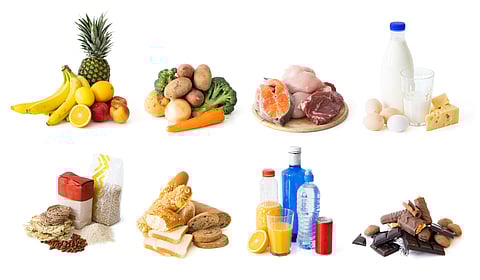

Besides protein, fiber, fat, hydration, and mindful eating help you stay sated longer.
Photo Credit: istcockphoto

Fullness isn’t just about protein. Fiber, fat, hydration, and mindful eating all play vital roles in controlling hunger. Combining these nutrients creates balanced meals that satisfy longer, regulate hormones, and prevent overeating. The secret isn’t eating more but in eating smarter with nutrient-rich foods that work in harmony to keep you full.
The feeling of fullness or satiety, is the condition that we experience after we have had enough to eat. There are many reasons that affect your brain's response to this, such as the quantity and types of nutrients we eat, how quickly they are emptying from our stomachs and how the stomach is sending messages to our brain by hormones. Protein has long been linked with feelings of fullness and in turn with weight loss.
Nowadays, protein diet and protein supplements are trending on social media and all kinds of protein rich foods can also be found on any supermarket. In January this year the U.S. Dietary guidelines recommended Americans should increase protein intake to regulate their appetite and body weight.
So, do proteins help to manage appetite and lose some weight? The answer is yes. They are involved in the process, but are not the only one in this.
Protein is the most satiating macronutrient, and the science backs this up. A review published by Lipids in Health and Disease came out in 2025.1
It found that high-protein meals have a significant impact on hunger. Ghrelin (the hormone that makes you want to eat) drops significantly after a high-protein meal.
Researches have shown that effects are most pronounced when a meal contains at least 35 grams of protein, which is a lot more than most people will put on their plate at one sitting.
Like protein fiber also help you feel satiated and full. The fiber-rich foods that you eat are mostly not easy to chew, which is the first signal sent to the brain that you are eating.
Secondly, these foods tend to swell up when they are digested, which sends another signal to the brain that you are full. And third, because food with fiber takes a longer time to digest, this sends a signal to the brain that you are full because your body is extracting the nutrients from the food that you have eaten.
The study mentioned above confirmed the fact that dietary fiber, especially the soluble or viscous kind, stimulates the release of the same fullness hormones as protein does. Protein and fiber work together not against each other.
Fat can actually cause feelings of fullness, sometimes longer than protein. Fat can also delay the stomach emptying by a good amount. This means your food stays inside you longer. Fat can also stimulate the production of cholecystokinin, a hormone that sends a message to your brain to stop eating.
This doesn’t mean that we should consume more fat per meal. However, it means we should not completely remove fat from our meals, as this might not work well for our diet. A meal with fat, such as avocados, olive oil, and nuts, can actually keep us full longer than a fat-free, high-carbohydrate meal.
In a 2025 clinical trial published in the Nutrition, Metabolism & Cardiovascular Diseases journal, researchers studied the effects of a high-protein snack, Greek yogurt, and a high-fat snack, peanuts, on women.2
The results revealed that both snacks resulted in improved feelings of fullness and satiety. The peanuts, which had more fat, had comparable satiety effects to the yogurt. Fat, therefore, is not the enemy.
Perhaps one of the most exciting new discoveries in the field of studying hunger is that satiety is not a function of a single nutrient or class of nutrients, but rather how nutrients interact within a meal.
If you combine fiber and protein, it is a more satiating meal than protein alone. When you add some fat to that mix, you've hit the winning combination to hold hunger at bay for hours.
Hence, the reason a hearty bowl of lentil soup with olive oil and whole grain bread is likely to fill you up longer.
Researchers have shown that when fiber and protein are combined, the result is the same as if you'd doubled the protein, which entails the combination is twice as good as the single ingredient. No need to eat more, just eat smarter.
The final two pieces of the puzzle that people don’t think about are water and volume.
When you eat foods with a lot of water in them like soups, fruits, veggies, they will fill you up faster because they take up more room in your belly despite their lower calorie count. This is one reason a bowl of broth-based soup an hour or so before a meal will help you eat less overall.
The mind-gut connection: Eating slowly and actually paying attention to what you’re eating allows your body to send natural signals to your brain that it takes 15 to 20 minutes to register. There’s no nutrient on earth that can help you if you’re eating a meal so fast that your brain never gets the signal that you’ve had enough.
Multiple foods provide the solution. The evidence supports these effective methods to control hunger for individuals who want to achieve hunger control.
You should consume protein together with another food item. Eggs should be eaten with vegetables while chicken should be combined with lentils, and yogurt should be consumed with seeds.
People should not avoid eating fiber because it has health benefits. Beans and oats and greens and whole grains represent the most filling foods that people can eat because they provide affordable options.
Don't eliminate all dietary fat from your meals. You can achieve satisfaction by consuming small amounts of olive oil and avocado and nuts.
Eating should be done at a slow pace without any interruptions because this method helps you achieve your satiety goals.
Drink water before meals and throughout meals.
The truth is, protein is a powerful tool, but it's not the only tool. Fiber, fat, water content, and the level of mindful eating you do also contribute to the likelihood of you feeling satisfied after a meal, versus going back into the kitchen an hour later.
The best thing you can do for your hunger management success is not to worry about protein grams; it's to create well-rounded, varied meals that work in harmony with each other.
Disclaimer: This content is for general informational purposes only and should not replace professional medical advice. Always consult a qualified healthcare provider with any questions about your health or treatment options.
National Library of Medicine |Protein is the most satiating macronutrient
National Library of Medicine | Fat also brings fullness
At marvelof.com, we spotlight the latest trends and products to keep you informed and inspired. Our coverage is editorial, not an endorsement to purchase. If you choose to shop through links in this article, whether on Amazon, Flipkart, or Myntra, marvelof.com may earn a small commission at no extra cost to you.