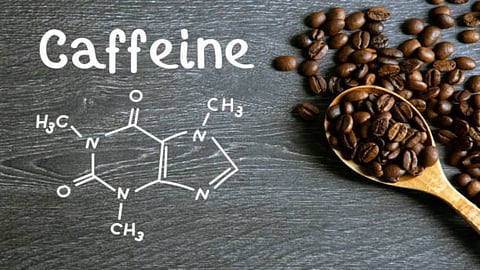

Excessive caffeine intake can enhance anxiety and stress especially if you consuming more than 400 mg every day.
Photo Credit: istockphoto

Regular intake of caffeine can disrupt the sleep. Drinking more than 400g of caffeine per day can reduce the total sleep and affect sleep quality that can trigger restlessness and day time drowsiness. When you cut intake of caffeine, you can fall asleep more instantly and without any hassle.
Most of us start the day either with a cup of coffee or tea. Caffeine is an extensively consumed stimulant available in coffee, tea, chocolate, energy drinks, and sodas, among others. While moderate intake can enhance concentration and alertness, higher intake of caffeine-loaded drinks may cause dependence, sleeplessness, energy crashes, and ineffective absorption of several nutrients like calcium, B vitamins, iron, and zinc. Several individuals crave for caffeine throughout the day especially when they feel stressed.
According to Food and Drug Administration, “caffeine can be part of a healthy diet for most people, but too much of it can have negative effects and large amounts may pose a danger to your health. Depending on factors such as body weight, medications you may take, certain medical conditions, and individual sensitivity, “too much” can vary from person to person. Be aware of the level of caffeine in your diet and look out for signs when it’s too much.” 1
For most adults, the FDA asserted 400 milligrams per day of caffeine will not cause any negative effects.
Eat Balanced Foods: Consumption of healthy and balanced meals can help you curb the cravings for caffeine. Skipping meals or eating unhealthy foods can lead to energy crashes that can make you vulnerable and make you reach for caffeinated drinks. Try adding a combination of carbohydrates, protein, and healthy fats that can keep the energy levels stable. Foods like whole grains, fruits, nuts, and legumes can offer sustained energy sans any crash.
Stay Hydrated: Dehydration may lead to fatigue and poor energy levels that can be mistake for requirement of caffeine. Drinking adequate liquids in several forms throughout the day can help you maintain energy levels and reduce unnecessary cravings. Herbal teas, infused water, coconut water, lemon water, ginger-honey tea can be refreshing alternatives.
Bring Down Caffeine Intake Gradually: Cutting caffeine abruptly can cause withdrawal symptoms like headaches, irritability, and exhaustion. Try decreasing intake of caffeine slowly and gradually. Try to replace coffee with decaffeinated alternatives life fruit juice and green tea. It will let your body adjust with minimum discomfort.
Manage Stress: Stress can make you crave for caffeine as a quick energy boost. Practicing relaxation techniques like deep breathing, meditation, and regular exercise can help you manage stress and reduce dependence on stimulants.
1. Reduced Anxiety: Excessive caffeine intake can enhance anxiety and stress especially if you consuming more than 400 mg every day. Caffeine comes with a burst of energy but this energy can also stimulate fight or flight hormones. It may enhance anxiety, nervousness, and even panic attacks. If you are prone to stress, caffeine may worsen the symptoms, according to a healthline report. 2.
2. Improved Sleep: Regular intake of caffeine can disrupt the sleep. Drinking more than 400g of caffeine per day can reduce the total sleep and affect sleep quality that can trigger restlessness and day time drowsiness. When you cut intake of caffeine, you can fall asleep more instantly and without any hassle.
3. Effective Absorption of Nutrients: If you do not depend on caffeine much, your body will be able to absorb key nutrients more effectively. The presence of tannins in caffeine may inhibit effective absorption of iron, calcium, B vitamins, and zinc.
4. Better Dental Health: Several common drinks like tea, energy drinks, and coffee are loaded with caffeine that can stain the teeth. It is due to the increased presence of tannins in these drinks that can cause discoloured tooth enamel and buildup. The acidity in caffeine drinks can also cause wear and tear of enamel and subsequently tooth decay. When you lead a caffeine-free life, you can expect better dental health.
FAQs
How does gradually reducing caffeine help prevent withdrawal symptoms?
Gradually reducing caffeine intake allows your body to adjust slowly, minimizing withdrawal symptoms such as headaches, irritability, and exhaustion. Abrupt cessation can cause severe discomfort, so replacing caffeinated drinks with decaffeinated alternatives like green tea or fruit juice helps ease the transition.
What are common foods that help curb caffeine cravings effectively?
Balanced meals containing carbohydrates, protein, and healthy fats help stabilize energy levels and reduce caffeine cravings. Foods like whole grains, fruits, nuts, and legumes provide sustained energy without causing crashes that often trigger caffeine consumption.
How does living caffeine-free improve nutrient absorption?
Caffeine contains tannins that can inhibit the absorption of important nutrients such as iron, calcium, B vitamins, and zinc. By avoiding caffeine, your body can absorb these nutrients more effectively, supporting overall health and nutrient utilization.
What is the recommended daily caffeine limit to avoid negative effects?
According to the Food and Drug Administration, most adults can safely consume up to 400 milligrams of caffeine per day without adverse effects. Intake beyond this amount may cause issues like anxiety, sleep disturbances, and nutrient absorption problems.
How does quitting caffeine impact sleep quality and anxiety levels?
Quitting caffeine can lead to improved sleep quality, allowing you to fall asleep faster and reduce daytime drowsiness. Additionally, reducing caffeine intake lowers stimulation of fight-or-flight hormones, which helps decrease anxiety and nervousness, especially if consuming over 400 mg daily previously.
Disclaimer: This content is for general informational purposes only and should not replace professional medical advice. Always consult a qualified healthcare provider with any questions about your health or treatment options.
At marvelof.com, we spotlight the latest trends and products to keep you informed and inspired. Our coverage is editorial, not an endorsement to purchase. If you choose to shop through links in this article, whether on Amazon, Flipkart, or Myntra, marvelof.com may earn a small commission at no extra cost to you.