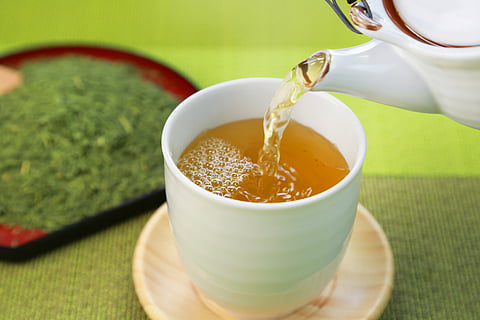

Green tea is packed with antioxidants and bioactive substances that support heart, brain, metabolic, and overall health.
Photo Credit: istockphoto

Green tea, rich in catechins, shows promise in reducing inflammation, protecting cartilage, and easing symptoms of arthritis. Studies suggest it may slow joint damage, support muscle health, and even rival painkillers for osteoarthritis relief. Freshly brewed cups, taken daily, could be a simple, natural way to keep your joints healthier.
Are your joints stiff when you wake up? Your cupboard may have a delicious solution in it! For thousands of years, green tea has been one of the most popular drinks and now it is getting studied more and more for its joint benefits. Let us examine the science behind it.
The tea leaf has catechins, which are antioxidants unique to the tea leaf and cannot be found anywhere else. Studies have been done on the benefits of green tea for joint health, and one of the most potent catechins is called EGCG.
When green tea leaves undergo minimal oxidation (compared to black tea), more of these valuable catechins are preserved to assist your body, in fighting the pain and inflammation caused by joint pain.
Usually, inflammation causes the pain in the joints. The inflammation caused by the immune response might act against the joints leading to stiffness and pain.
Researchers discovered that catechins can switch off inflammation markers, which are the warning signs that the body emits when things go awry.
Another study reviewing green tea catechins found they might protect your joints' cartilage by ensuring cell death doesn't occur in them, thereby promoting a healthier joint structure. 1
When green tea and black tea were compared, green tea was found to have much more anti-inflammatory power due to higher flavonoid content.
The cartilage serves an important function in the proper operation of the joints.
EGCG is believed to hinder cartilage breakdown through the inhibition of some enzyme activities, which include the metalloproteinases (MMPs) that break down the cartilage.
Studies have shown that polyphenolic compounds contained in green tea inhibit the destruction of the proteoglycan and type II collagen, which form cartilage tissues. Therefore, the deterioration process of the joint may be reduced.
RA is a chronic autoimmune condition that leads to self-aggression, which in turn leads to joint pains. It's been found that EGCG protects bones and cartilage by slowing the immune compounds responsible for this pain. Human tissue samples from patients with RA indicated that EGC and EGCG limited the activity of fibroblasts in the joints of those suffering from RA, and research suggests that green tea might control the T-cells responsible for RA.
OA is the most common type of arthritis globally. A study suggested that green tea extract could be useful for helping people with OA to manage their pain and get around more easily. 2
Another report stated that those who drank more green tea regularly tended to be less likely to develop OA. One small study actually suggested that catechin extracts were as effective as ordinary painkiller, in reducing OA symptoms.
The joints in the body lose cartilage as they get older, and muscles also degrade (sarcopenia), meaning the joints themselves take more strain.
Green tea catechins could contribute to the preservation of muscle protein health, as well as stimulating energy production from mitochondria in the cells to prevent muscle weakness and ageing. This in turn would enable the muscles to support the joints more.
- Freshly brewed tea should be used, not instant or bottled tea, which may contain lower amounts of beneficial compounds.
- The tea should be brewed with hot water (70-80C) for 3-5 minutes, to allow maximum amount of catechins to be released into the drink.
- You should aim to drink 2-3 cups a day, and research indicates that this is the amount necessary for optimal effect.
- The lower the amount of sugar added to tea, the more the anti-inflammatory effects.
Although the majority of people can enjoy green tea without experiencing any adverse effects, consuming excess amounts will interfere with iron absorption in your body. If you take regular medication you should check with your doctor as the tea may interact.
Despite the research showing that it isn't a wonder cure, green tea does offer quite a bit of hope to those who are looking to protect their joints.
For RA and OA patients, the possibility of pain relief, cartilage maintenance and reduced inflammation makes green tea a drink with a range of health benefits which can be easily incorporated into the diet.
How does green tea compare to black tea in reducing joint inflammation?
Green tea contains higher levels of catechins, particularly epigallocatechin gallate (EGCG), due to minimal oxidation during processing. This results in stronger anti-inflammatory effects compared to black tea, which has lower flavonoid content. Studies show green tea is more effective at switching off inflammation markers involved in joint pain.
What role does EGCG play in protecting joint cartilage?
EGCG helps delay cartilage destruction by inhibiting enzymes like metalloproteinases (MMPs), which degrade cartilage tissues. It also prevents the breakdown of proteoglycan and type II collagen, key components of cartilage, thus promoting healthier joint structure and potentially slowing joint deterioration.
Can drinking green tea help manage symptoms of rheumatoid arthritis (RA)?
Yes, research suggests EGCG can slow immune compounds that contribute to RA-related joint pain. Studies with human tissue samples indicate that green tea catechins limit fibroblast activity and regulate T-cells in RA patients, potentially reducing inflammation and protecting bones and cartilage.
What is the recommended way to consume green tea for joint health benefits?
To maximize catechin intake, brew fresh green tea using hot water at 70-80°C for 3-5 minutes. Drink 2-3 cups daily without adding much sugar. Avoid instant or bottled green teas, as they often contain lower amounts of beneficial compounds.
Are there any risks or interactions to consider when drinking green tea regularly?
While generally safe, excessive green tea consumption can interfere with iron absorption. People on regular medications should consult their doctor, as green tea may interact with certain drugs.
National Library of Medicine| Green tea polyphenol epigallocatechin-3-gallate: inflammation and arthritis
ScienceDirect| Green tea (Camellia sinensis) for patients with knee osteoarthritis
Disclaimer: This content is for general informational purposes only and should not replace professional medical advice. Always consult a qualified healthcare provider with any questions about your health or treatment options.
At marvelof.com, we spotlight the latest trends and products to keep you informed and inspired. Our coverage is editorial, not an endorsement to purchase. If you choose to shop through links in this article, whether on Amazon, Flipkart, or Myntra, marvelof.com may earn a small commission at no extra cost to you.