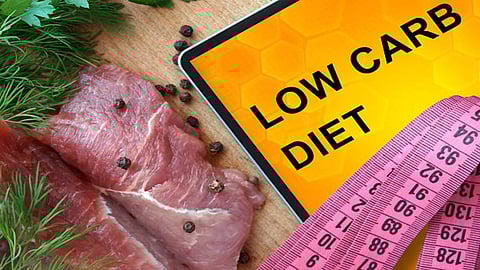

Low-carbs diet have emerged highly efficient at lowering blood Triglycerides that are fat molecules that can increase heart disease risk.
Photo Credit: istockphoto

Many individuals opt for a low-carb diet to lose weight, change their eating patterns, manage blood sugar, and decrease the risk of heart disease, type 2 diabetes or risk of metabolic syndrome.
Many of us consume carbohydrates in various forms like breakfast toast, rice in lunch or rotis in dinner. Carbohydrates consumption has become common in Indian households. So, switching to a low-carb diet for 30 days may sound difficult at first. A low-carb diet will restrict the intake of carbohydrates like starchy vegetables, fruit, or grains. The main emphasis of low-carb diet will involve increased focus on high-protein foods and fat. There are several types of low-carbs diet and every diet differs in the type and amount of carbs you consume.
Some low-carb diet will mainly focus on weight reduction while other will concentrate on reducing the risk of type 2 diabetes or metabolic syndrome.
Many individuals opt for a low-carb diet to lose weight, change their eating patterns, manage blood sugar, and decrease the risk of heart disease, type 2 diabetes or risk of metabolic syndrome.
According to a study featured in National Library of Medicine, “the recent landmark study showed that a very-low-carbohydrate diet resulted in a significant reduction in fat mass and a concomitant increase in lean body mass in normal-weight men.” 1
Fitness trainer Adam J Ellison described week wise changes regarding how the body will react when you eat less carbs or cut carbs for 30 days below: 2
Week One: You will drop weight fast, mostly water, because when you cut carbs your glycogen stores release water. So the scale drops quickly. Plus by day three or four, your liver starts producing ketone bodies, shifting your bodies into nutritional ketosis.
Week Two: It may bring some fatigue, headaches, may be even brain fog, which you are adapting to burning fat instead of carbs. This transition helps your body move from glucose to fat and ketones for energy, revealed Adam.
Week Three: By week three, things are starting to click. Your energy stabilises, appetite calms, and even your mental clarity improves. Newer studies also show reduced inflammation and elevated ketones support immune and brain health.
Week Four: Week four brings fat loss and metabolic improvements like better blood sugar and insulin control. And, a recent meta-analysis reports significant decreases in the body weight, and BMI and body fat with taking in a hundred grams of carbs of less, added Adam.
Sharp Drop In Triglycerides: Low-carbs diet have emerged highly efficient at lowering blood Triglycerides that are fat molecules that enhance heart disease risk. Triglycerides circulate in the bloodstream. It is worth noting that high fasting Triglycerides (levels in blood after an overnight fast) emerged as a strong heart disease risk cause, according to a report featured in healthline. 3
One of the major reasons of higher Triglycerides in individuals leading sedentary lifestyle is consumption of carbs, particularly simple sugar fructose. When individuals reduce or cut carb, they witness a major decline in blood Triglycerides.
2. Rise In Good HDL Cholesterol: HDL or high density lipoprotein is also known as good cholesterol. The higher the HDL, the lower will be heart disease risk. One of the most powerful ways to enhance the good HDL is to eat fat and low-carb diets contain plenty of fat. HDL levels surge significantly on healthy and low carb diets but they may surge slightly or even fall on low-fat diets.
3. Decreased Blood Sugar & Insulin Levels: Low carbs diet can be especially beneficial for individuals with diabetes and insulin resistance. According to report featured in World Health Organisation, “The number of people living with diabetes rose from 200 million in 1990 to 830 million in 2022.” When carbs consumption declines, it can reduce both blood sugar and insulins majorly.
4. May Reduce Blood Pressure: Hypertension and increased blood pressure have emerged major factors for several diseases that may include heart disease, stroke, and even kidney failure. Low-carb diets have become highly effective to reduce blood pressure that may subsequently lower the risk of these diseases and help you live longer.
FAQs
How does a low-carb diet cause rapid weight loss in the first week?
During the first week of a low-carb diet, the body uses up glycogen stored in muscles and the liver, which releases water. This leads to a quick drop in weight mainly due to water loss. By day three or four, the liver produces ketone bodies, shifting metabolism into nutritional ketosis.
What are the typical side effects during the transition to a low-carb diet?
In the second week of a low-carb diet, individuals may experience fatigue, headaches, and brain fog. These symptoms occur as the body adapts to burning fat and ketones instead of glucose for energy. This transition varies in duration and intensity for each person.
How does a low-carb diet improve heart health markers?
A low-carb diet lowers blood triglycerides, which are linked to heart disease risk, by reducing carbohydrate intake, especially simple sugars like fructose. It also raises HDL (good cholesterol) levels due to increased dietary fat, both contributing to improved heart health.
Can a low-carb diet help manage diabetes and insulin resistance?
Yes, reducing carbohydrate intake in a low-carb diet significantly decreases blood sugar and insulin levels. This makes it beneficial for individuals with diabetes or insulin resistance by improving glycemic control and reducing disease progression risks.
What metabolic changes occur by the fourth week of a low-carb diet?
By week four, the body experiences fat loss and improved metabolic markers such as better blood sugar and insulin regulation. Studies show significant reductions in body weight, body fat, and BMI when daily carbohydrate intake is limited to approximately 100 grams or less.
National Library of Medicine|Metabolic Effects of the Very-Low-Carbohydrate Diets: Misunderstood "Villains" of Human Metabolism
Fitness trainer Adam J Ellison via Instagram|Cut carbs for 30 days - here is what really happens
healthline|10 Health Benefits of Low-Carb and Ketogenic Diets
Disclaimer: This content is for general informational purposes only and should not replace professional medical advice. Always consult a qualified healthcare provider with any questions about your health or treatment options.
At marvelof.com, we spotlight the latest trends and products to keep you informed and inspired. Our coverage is editorial, not an endorsement to purchase. If you choose to shop through links in this article, whether on Amazon, Flipkart, or Myntra, marvelof.com may earn a small commission at no extra cost to you.