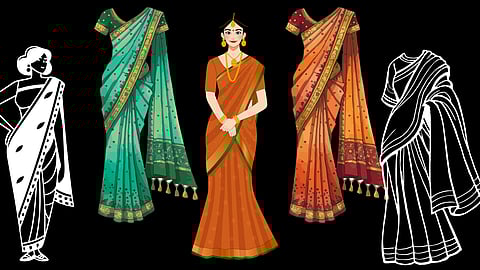


This comprehensive guide will provide you with essential tips and techniques for caring for your beloved Indian traditional garments, ensuring they remain pristine for years to come.
Traditional Indian garments are more than just clothing; they are works of art, often hand-crafted with intricate embroideries, delicate weaves, and rich fabrics that carry stories of heritage and craftsmanship. From the luxurious silk sarees passed down through generations to the exquisitely embellished lehengas worn on special occasions, these garments require specific care to maintain their beauty, longevity, and intricate details. Improper washing, storage, or handling can lead to damage, fading, or loss of their original charm.
Why Proper Care is Crucial for Indian Garments
Indian traditional wear often involves delicate fabrics like silk, chiffon, georgette, velvet, and intricate embellishments such as zari work, zardozi, sequins, beads, and mirror work. These materials and techniques are sensitive to harsh chemicals, excessive heat, and rough handling. Proper care not only preserves the aesthetic appeal of the garment but also extends its lifespan, making it a sustainable choice. It also protects your investment, especially for expensive pieces like bridal wear or heirloom sarees.
General Care Principles for All Traditional Garments
Before diving into specific fabric care, here are some universal rules:
Specific Care for Common Indian Fabrics and Embellishments
1. Silk Sarees and Garments (Kanjeevaram, Banarasi, Mysore Silk)
Silk is a natural fiber known for its luxurious feel and sheen, but it's also delicate. Improper care can damage its texture and luster.
Washing: Ideally, dry clean only. If hand washing, use a mild, pH-neutral detergent specifically for silk. Wash in cold water, gently swish, and do not wring. Rinse thoroughly.
Drying: Roll the garment in a clean towel to absorb excess water. Hang on a padded hanger in the shade, away from direct sunlight. Do not tumble dry.
Ironing: Iron on a low setting while the fabric is slightly damp, or use a steam iron. Iron on the reverse side to protect the sheen and any embellishments.
Storage: Store in a breathable cotton or muslin cloth bag (saree bag) to prevent moisture buildup and protect from dust and insects. Avoid plastic bags. Store in a cool, dry place. Unfold and refold periodically to prevent permanent creases.
2. Embroidered and Embellished Garments (Zari, Zardozi, Sequins, Beads)
Garments with heavy embroidery or delicate embellishments require extra caution to prevent damage to the intricate work.
Washing: Almost always dry clean only. Water and harsh chemicals can damage the threads, loosen beads, or cause metallic threads to tarnish. Inform your dry cleaner about the embellishments.
Spot Cleaning: For minor spots, gently dab with a soft, damp cloth. Avoid rubbing.
Ironing: Iron on the reverse side, placing a thin cotton cloth between the iron and the garment. Use a low to medium heat setting. Avoid direct contact with embellishments.
Storage: Store flat in a breathable fabric bag, preferably with acid-free tissue paper between folds to protect the embroidery from snagging or pressing against itself. Avoid hanging heavy embroidered garments as they can lose shape.
3. Cotton and Cotton Blends (Kurtis, Salwar Kameez, Cotton Sarees)
Cotton is durable and easy to care for, but colors can bleed, and shrinkage can occur if not washed properly.
Washing: Hand wash in cold water or machine wash on a gentle cycle with mild detergent. For vibrant colors, consider a color-fixing agent for the first few washes. Wash dark colors separately.
Drying: Line dry in the shade to prevent fading and shrinkage. Avoid direct sunlight. Tumble dry on low heat if necessary, but remove while slightly damp.
Ironing: Iron on a medium to high setting while damp for best results. Use steam if available.
Storage: Store in a cool, dry place. Cotton is less prone to damage but can attract insects if not kept clean.
4. Georgette, Chiffon, and Crepe Garments
These fabrics are lightweight and flowy but can be delicate and prone to snagging.
Washing: Hand wash in cold water with a mild detergent. Gently swish and do not wring or twist. Some can be dry cleaned. Check the label.
Drying: Lay flat on a clean towel or hang on a padded hanger to air dry in the shade. Do not tumble dry.
Ironing: Use a very low heat setting or steam iron. Place a pressing cloth over the garment to prevent scorching or shine marks.
Storage: Hang on padded hangers to prevent creases and maintain shape. Keep away from sharp objects that could snag the fabric.
5. Velvet Garments
Velvet is a rich, luxurious fabric that requires careful handling to maintain its pile and sheen.
Essential Garment Care Products
Investing in the right products can make a significant difference in preserving your traditional Indian garments:
By following these detailed care instructions, you can ensure that your beautiful traditional Indian garments remain vibrant, elegant, and cherished pieces in your wardrobe for many years to come, ready to be worn and admired at every special occasion.
At marvelof.com, we spotlight the latest trends and products to keep you informed and inspired. Our coverage is editorial, not an endorsement to purchase. If you choose to shop through links in this article, whether on Amazon, Flipkart, or Myntra, marvelof.com may earn a small commission at no extra cost to you.