
Here are six best protein powders to order online.
Photo Credit: Amazon.in
Both whey and plant protein can help you meet your fitness goals, but the right choice depends on your digestion, diet, and lifestyle. Whey is fast-absorbing and ideal for muscle gain, while plant protein is easier on the gut and suits those with lactose intolerance or vegan preferences. This guide breaks down what actually works for you and suggests the 6 best protein powder options.
Confused between whey protein and plant protein? You’re not alone. From beginners to regular gym-goers, many people struggle to decide which one actually fits their routine.
Both whey and plant protein can help with muscle gain, fat loss, and meeting daily protein needs. But the better choice isn’t universal, it depends on how your body responds, how well you digest it, your dietary preferences, and your overall lifestyle.
In India, this decision becomes even more relevant. Factors like lactose intolerance, vegetarian diets, budget constraints, and daily eating habits play a big role in how effective a protein supplement actually is. This guide breaks down the real differences between whey and plant protein, so you can choose what works for your body, your routine, and your fitness goals.
Whey protein naturally has a higher amount of amino acids, especially leucine, which helps build muscle. A serving of whey usually gives enough leucine to support muscle growth.
Plant protein can also match this, but only if it is made properly. Good blends combine different sources like pea protein (rich in lysine) and rice protein (rich in methionine). Some newer options like fava bean protein also help create a complete profile. However, low-quality single plant proteins may not give the same benefits.
Whey protein is very easy for the body to digest and absorb. It reaches the bloodstream quickly, usually within 1 to 1.5 hours.
Plant proteins are generally a bit harder to digest, but this is improving. Fermented plant proteins break down compounds that block absorption, making them easier to digest and closer to whey in effectiveness.
Whey has long been seen as the best for building muscle. However, newer research shows that plant protein can be just as effective.
Studies have found that when plant protein provides the same amount of leucine as whey, muscle growth results are similar, as per Healthline. This means the difference depends more on quality and quantity, not the type of protein itself.
Plant protein is often easier on the stomach. Many people have trouble digesting dairy, even whey.
Since plant protein is dairy-free, it usually causes fewer issues like bloating or discomfort, especially when it is fermented.
Plant proteins may help reduce inflammation better than whey. They contain natural compounds like antioxidants that support recovery and overall health.
Whey protein generally tastes better and mixes more smoothly. Plant proteins have improved a lot, but some may still feel slightly gritty or have an earthy taste. Fermented plant proteins usually taste smoother and cleaner.
For vegan/ vegetarian people, plant protein is the best choice.
Those who are lactose intolerant must try plant protein (Whey isolate may work for some).
If you have a dairy allergy, plant protein is the only choice.
For those who prefer a keto/low-carb diet, both can work.
Those who are planning to follow a paleo diet, Plant protein is a closer option.
Whey protein is a by-product of making cheese and paneer. When milk is processed, it separates into solid curds and liquid whey. That liquid whey is then filtered, dried, and turned into the white powder you often see in supplement stores.
Fast absorption: Digests in around 30–60 minutes, making it ideal for post-workout recovery
High protein content per scoop: It serves 24–26g protein per serving
Complete amino acid profile: Contains all 9 essential amino acids, including high leucine, which triggers muscle protein synthesis
Rich in BCAAs: Supports lean muscle building and recovery
Here is where most supplement brands go quiet. While whey is effective, it has some limitations, especially for Indians:
Bloating and gas: Very common with whey concentrate; many users report stomach discomfort
Lactose intolerance reactions: it can cause cramps, loose motions, or acidity in those sensitive to dairy
Acne and skin issues: Dairy proteins can trigger hormonal acne in genetically prone individuals
Not suitable for vegans: Whey is animal-derived
Environmental impact: Dairy production has a higher carbon footprint compared to plant protein
Note: If you regularly experience bloating, acne, or digestive issues after whey, your body may not tolerate lactose well. Switching to plant protein often resolves these issues completely.
The MuscleBlaze 100% Clean Raw Whey Concentrate is a muscle-making supplement that boosts gains by offering you the purest and extremely potent form of protein. Sourced from quality milk and free from added flavours or fillers, it provides around 24g of protein per serving while retaining essential nutrients. It works well for beginners or those looking for a clean, no-frills protein option.
The Wellbeing Nutrition Clean Whey Protein Isolate is a high-purity whey isolate that provides 31g of protein per serving, along with essential amino acids and naturally occurring BCAAs to support muscle recovery. Using an advanced microfiltration process, it removes most of the lactose content, making it easier to digest for those with sensitive stomachs.
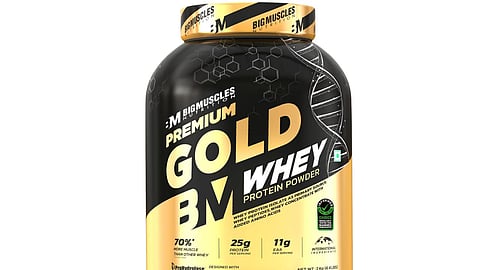
Bigmuscles Nutrition Premium Gold Whey delivers 25g of protein per serving. It helps build and maintain muscle when taken over time with regular resistance training. It is a bio-sufficient supplement designed to build muscle mass and accelerate muscle recovery when used as an ingredient in protein supplements.
Plant protein is derived from sources like pea, brown rice, soy, hemp, and pumpkin seeds. These proteins are extracted, processed, and blended to create a complete protein powder. Modern plant proteins are formulated to match whey in terms of amino acid profile and overall effectiveness.
Easy digestion: Naturally free from lactose, making it gentle on the stomach.
No bloating or discomfort: it is suitable for people with sensitive digestion.
Complete amino acid profile: Blended proteins (like pea + rice) provide all 9 essential amino acids.
Supports fat loss: High satiety helps you feel full for longer.
Skin-friendly: Less likely to trigger acne or hormonal issues.
Sustainable option: Requires less water and resources compared to dairy.
Suitable for vegetarians and vegans: No animal-derived ingredients.
Here is where expectations need to be realistic. While plant protein works well, there are a few limitations:
Slower absorption: it digests more slowly compared to whey.
Taste depends on quality: Lower-quality options may still feel slightly grainy.
Incomplete profile (in some cases): Single-source proteins may lack certain amino acids.
Note: Most modern plant proteins (especially blends) have improved significantly in taste and performance. If whey causes bloating or discomfort, switching to plant protein is often a practical and effective alternative.
Cosmix No-Nonsense Plant Protein is a vegan protein made from pea and rice protein, offering 24g protein per serving. It has no added sugar, flavours, or artificial ingredients. It is easy to digest and includes digestive herbs, making it suitable for people with sensitive stomachs.
TrueBasics Clean Plant Protein provides 24g of plant-based protein from pea and brown rice per serving and is completely lactose-free. Made with a blend of pea and brown rice protein, it supports muscle recovery and daily nutrition while remaining easy to digest. It has a smooth texture without chalkiness and works well in shakes, smoothies, or even oats, making it a versatile option for everyday use.
Nakpro Vegan Plant Protein Powder is a plant-based protein made from pea and brown rice, providing around 25g of protein per serving along with BCAAs. It is lactose-free and low in fat and carbohydrates, making it suitable for clean, everyday nutrition. The formula supports muscle recovery and strength while being easy to digest, making it a practical option for fitness enthusiasts and those avoiding dairy.
Whey protein is still a strong option when it comes to taste and fast absorption. It is a good choice if you are looking for a simple, cost-effective way to increase your protein intake and have no issues with dairy. For those focused mainly on budget and convenience, whey isolate works well.
However, high-quality plant protein has come a long way. It can match whey in terms of muscle building while also offering added benefits like better digestion, improved gut health, and lower chances of bloating or discomfort. It also supports a wider range of dietary needs, making it suitable for vegans, people with lactose intolerance, or those avoiding dairy.
If you are thinking long term, plant protein can be a smarter investment. It not only supports fitness goals but also overall health, including recovery and inflammation management.
The most important factor is quality. A good plant protein should have a complete amino acid profile, be easy to digest (preferably fermented), have clean ingredients, and be properly tested for safety. When you choose the right product, the difference between plant protein and whey becomes very small. Both are effective options, you just need to understand what is best suitable for your body and health.
Which protein type is better for muscle gain, whey or plant protein?
Whey protein is generally better for muscle gain due to its fast absorption (30-60 minutes) and complete amino acid profile rich in leucine and BCAAs that stimulate muscle protein synthesis. However, modern blended plant proteins can also support muscle recovery and growth effectively, albeit with slower digestion.
Can people with lactose intolerance consume whey protein safely?
Those with lactose intolerance may experience bloating, cramps, or acidity from whey concentrate. Whey isolates like Wellbeing Nutrition Clean Whey have reduced lactose content and might be better tolerated. Alternatively, plant proteins completely free from lactose are recommended for sensitive digestion.
How do the costs and sustainability of whey and plant protein powders compare in India?
Whey protein powders vary but often cost more due to dairy processing and have a higher environmental footprint. Plant protein powders tend to be more sustainable, requiring less water and resources. Price differences can depend on brand and purity, but plant proteins offer a budget-friendly and eco-friendly alternative suitable for Indian dietary habits.
Are there specific dietary or lifestyle reasons to choose plant protein over whey?
Yes, plant protein suits vegans, vegetarians, and those seeking a dairy-free option. It is easier on digestion, doesn’t cause lactose-related issues, and is less likely to trigger acne or hormonal problems. It also supports fat loss due to its high satiety and fits environmentally conscious lifestyles.
How can I ensure I get a complete amino acid profile from plant protein?
To get a complete amino acid profile from plant protein, choose blend formulations combining sources like pea and brown rice protein. These blends complement each other’s amino acid profiles to provide all nine essential amino acids comparable to whey protein.
Disclaimer: This content is for general informational purposes only and should not replace professional medical advice. Always consult a qualified healthcare provider with any questions about your health or treatment options.
At marvelof.com, we spotlight the latest trends and products to keep you informed and inspired. Our coverage is editorial, not an endorsement to purchase. If you choose to shop through links in this article, whether on Amazon, Flipkart, or Myntra, marvelof.com may earn a small commission at no extra cost to you.