
Low levels of iron, zinc, magnesium, vitamin D, or B12 impair keratin synthesis and follicle function, slowing hair growth.
Photo Credit: istockphoto

High levels of cortisol can prevent the release of GAS6, a molecule important for activating hair follicle stem cells. This condition, often leading to telogen effluvium, generally occurs three-four months post a stressful event.
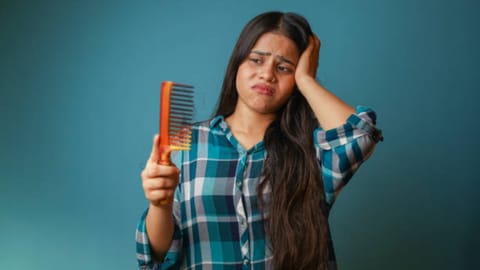
Hair fall emerged a common issue that can affect people of all age group. While losing approximately 50 to 100 strands per day is normal, excessive hair fall can be distressing and may indicate serious underlying. Understanding the root cause of hair fall is the first step towards preventing the issue.
According to a study published in National Library of Medicine, “Hair loss is a widespread concern in dermatology clinics, affecting both men’s and women’s quality of life. Hair loss can have many different causes, which are critical to identify in order to provide appropriate treatment. Hair loss can happen due to many variables, such as genetic factors or predisposition, vitamin and mineral deficiencies, skin problems, hair growth disorders, poor diet, hormonal problems, certain internal diseases, drug use, stress and depression, cosmetic factors, childbirth, and the chemotherapy process.” 1
Recently, leading nutritionist Nmami Agarwal took to her Instagram account and highlighted 4 major reasons of hair fall. She said, “If hairfall was just a surface level problem… things would be way simpler. Truth is these 4 silent culprits might be behind your hair fall:
Stress → high cortisol = more hair fall
Hidden deficiencies → your body stops prioritizing hair
Gut dysbiosis → nutrients aren’t absorbed properly
Chemical overload → damage keeps building up.” 2
1. Stress Hormone: The nutritionist said that “high stress activates pro-inflammatory genes, inflaming hair follicles and triggering excess shedding.” It is worth noting here that chronic stress leads to hair fall mainly be enhancing cortisol that compels hair follicles into an extended resting phase (telogen) and stops regeneration. High levels of cortisol can prevent the release of GAS6, a molecule important for activating hair follicle stem cells. This condition, often leading to telogen effluvium, generally occurs three-four months post a stressful event.
2. Hidden Nutrient Deficiencies: Nmami Agarwal said, “low levels of iron, zinc, magnesium, vitamin D, or B12 impair keratin synthesis and follicle function, slowing hair growth. Hair loss is largely caused by deficiencies in iron, vitamin D, biotin (vitamin B7), and vitamin B12.
These nutrients are vital for hair follicle health, cell division, and oxygen supply to the scalp. Reduced levels of ferritin (stored iron) and vitamins such as A or E can also lead to hair thinning, reduced regrowth, and brittleness.
3. Gut Dysbiosis: “An imbalanced gut microbiome reduces nutrient absorption affecting hair follicle health,” revealed the nutritionist. Gut dysbiosis is an imbalance in the gut bacteria that can trigger hair fall by causing chronic inflammation, nutrient deficiencies of iron, biotin, and zinc, and autoimmune response such as alopecia areata.
The imbalance can disrupt effective absorption of key nutrients. Meanwhile, gut-linked inflammation can impact the scalp health thus impairing hair follicles. Restoring gut health can significantly reverse the hair loss patterns.
4. Chemical Overload: Nmami Agarwal listed the 4th reason of hair loss as chemical overload. The nutritionist said “excess hair treatment, styling products, or harsh chemicals generate oxidative stress, damaging follicular cells and weakening hair structure.”
It is a well-known fact that hair fall can occur due to chemical overload when the hair and scalp are frequently exposed to excessive and harsh chemical treatments like bleaches, perm, straighteners, and dyes. The hair damage can manifest as dry or thinning hair and in extreme case can damage hair follicles causing excessive shedding or permanent loss.
Hormonal Imbalances: Hormones play a major role in hair growth. Conditions like thyroid disorders, polycystic ovary syndrome (PCOS), pregnancy, and menopause can disrupt hormonal balance, triggering hair fall. In men, androgenetic alopecia (pattern baldness) is linked to hormonal sensitivity and genetics.
Scalp Conditions: A healthy scalp is essential for strong hair. Issues like dandruff, fungal infections, psoriasis, or excessive oil buildup can weaken hair roots and lead to hair fall. Ignoring scalp hygiene can aggravate these conditions over time.
Genetics: Genetics is a major factor in hair loss. If hair fall runs in your family, you may be more prone to conditions like male or female pattern baldness. This type of hair loss usually progresses gradually over time.
Medical Conditions and Medications: Some particular illnesses like anemia, autoimmune disorders, and chronic diseases can lead to hair loss. Additionally, medications for conditions like high blood pressure, depression, or chemotherapy can cause temporary or permanent hair fall as a side effect.
FAQs
How does stress contribute to hair fall according to the nutritionist?
Stress elevates cortisol levels, which inflames hair follicles and extends their resting (telogen) phase, hindering hair regeneration. This hormonal effect often causes telogen effluvium, typically appearing three to four months after stressful events.
Which nutrient deficiencies are commonly linked to hair loss?
Deficiencies in iron, vitamin D, vitamin B12, biotin (B7), zinc, magnesium, and vitamins A and E can impair keratin synthesis and hair follicle function, leading to slower hair growth, thinning, and brittleness.
What role does gut dysbiosis play in hair fall?
Gut dysbiosis disrupts the balance of gut bacteria, reducing nutrient absorption critical for hair follicle health. This imbalance can cause inflammation, nutrient deficiencies, and autoimmune reactions like alopecia areata, contributing to hair loss.
How does chemical overload from hair treatments affect hair health?
Excessive use of harsh chemical treatments like bleaches, dyes, perms, and straighteners damages follicular cells through oxidative stress. This leads to dry, brittle, or thinning hair and can severely damage follicles, causing significant shedding or permanent hair loss.
Are hormonal imbalances a significant factor in hair fall?
Yes, hormonal disorders such as thyroid problems, polycystic ovary syndrome (PCOS), pregnancy, menopause, and androgenetic alopecia affect hair growth cycles and can trigger hair fall.
National Library of Medicine|An overview of the genetic aspects of hair loss and its connection with nutrition
Nutritionist Nmami Agarwal via Instagram|Top 4 causes of hair fall
Disclaimer: This content is for general informational purposes only and should not replace professional medical advice. Always consult a qualified healthcare provider with any questions about your health or treatment options.
At marvelof.com, we spotlight the latest trends and products to keep you informed and inspired. Our coverage is editorial, not an endorsement to purchase. If you choose to shop through links in this article, whether on Amazon, Flipkart, or Myntra, marvelof.com may earn a small commission at no extra cost to you.