
Sudden Hair Fall? Here Are the Most Common Causes You Should Know
Credit: istockphoto

Sudden hair fall can result from various factors, including stress, nutritional deficiencies, hormonal changes, thyroid disorders, illness, certain medications, and harsh hair treatments. While temporary shedding is common, excessive or persistent hair loss may signal an underlying health issue that requires medical attention. Maintaining a balanced diet, managing stress, and following a gentle hair care routine can help reduce hair fall. If hair loss is severe or lasts for several weeks, consult a dermatologist for proper evaluation and treatment.
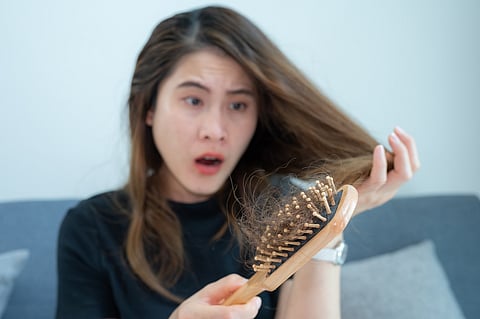
Hair fall is a normal part of the hair growth cycle, and losing around 50 to 100 strands a day is considered normal. However, if you suddenly notice excessive hair on your pillow, in the shower drain, or while brushing, it can be alarming. Sudden hair fall, also known as excessive hair shedding, often points to changes in your body, lifestyle, or overall health. Understanding the underlying cause is the first step toward managing it effectively.
1. Stress and Emotional Trauma
One of the most common reasons for sudden hair fall is physical or emotional stress. Events such as surgery, high fever, childbirth, grief, or prolonged work-related stress can push more hair follicles into the shedding phase, a condition known as telogen effluvium. Hair loss usually begins two to three months after the stressful event and often improves once the body recovers.
2. Nutritional Deficiencies
Your hair needs essential nutrients to grow strong and healthy. A lack of iron, protein, zinc, vitamin D, vitamin B12, or biotin can weaken hair follicles and increase shedding. Crash diets, skipping meals, or restrictive eating patterns may also contribute to sudden hair loss.
Eating a balanced diet rich in lean proteins, leafy greens, nuts, seeds, fruits, and whole grains can support healthy hair growth.
3. Hormonal Changes
Hormonal fluctuations are another major cause of hair fall, especially in women. Pregnancy, childbirth, menopause, and conditions such as polycystic ovary syndrome (PCOS) can affect the normal hair growth cycle. Thyroid disorders, both hypothyroidism and hyperthyroidism can also lead to noticeable hair thinning if left untreated.
4. Illness and Certain Medications
A recent illness, especially one involving high fever or a severe infection, can temporarily increase hair shedding. Certain medications, including those used for high blood pressure, depression, acne, arthritis, and chemotherapy, may also cause hair loss as a side effect. If you suspect a medication is affecting your hair, speak with your doctor before making any changes.
5. Poor Hair Care Practices
Frequent use of heat styling tools, chemical treatments such as bleaching, straightening, perming, or tight hairstyles like ponytails and braids can damage the hair shaft and weaken the roots. Overwashing or using harsh shampoos may also contribute to dryness and breakage.
Switching to gentle hair care products and limiting heat styling can help minimize damage.
6. Scalp Conditions
A healthy scalp is essential for healthy hair growth. Conditions such as dandruff, psoriasis, eczema, fungal infections, or excessive scalp inflammation can weaken hair follicles and contribute to hair fall. Treating the underlying scalp problem often helps reduce shedding.
7. Genetics
Genetics can also play a role in hair loss. Pattern hair loss, also known as androgenetic alopecia, affects both men and women and tends to develop gradually. However, some people may notice a sudden increase in shedding that makes hereditary hair loss more noticeable.
How to Reduce Hair Fall
You can support healthier hair by:
Eating a nutrient-rich, balanced diet.
Managing stress through exercise, yoga, or meditation.
Avoiding excessive heat styling and harsh chemical treatments.
Using a mild shampoo and conditioner suitable for your hair type.
Getting enough sleep and staying hydrated.
Avoiding tight hairstyles that pull on the scalp.
When Should You See a Doctor?
Consult a dermatologist if:
Hair fall continues for more than two to three months.
You notice bald patches or rapid thinning.
Hair loss is accompanied by itching, redness, or scalp pain.
You have other symptoms such as fatigue, weight changes, or irregular periods, which could indicate an underlying medical condition.
At marvelof.com, we spotlight the latest trends and products to keep you informed and inspired. Our coverage is editorial, not an endorsement to purchase. If you choose to shop through links in this article, whether on Amazon, Flipkart, or Myntra, marvelof.com may earn a small commission at no extra cost to you.