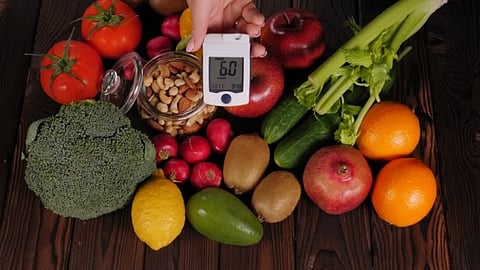

Drumsticks have high fiber content that may help slow glucose absorption.
Photo Credit: istockphoto

Diabetes is a chronic disease that occurs either when the pancreas does not produce enough insulin or when the body cannot effectively use the insulin it produces.
Insulin is a hormone that regulates blood glucose. Hyperglycaemia, also called raised blood glucose or raised blood sugar, is a common effect of uncontrolled diabetes and over time leads to serious damage to many of the body's systems, especially the nerves and blood vessels.
Nutritionist Dr Shilpa Arora highlighted 5 vegetables that can help you manage blood sugar and support healthy blood sugar levels.
Managing blood sugar level is significant for overall health, especially for individuals with diabetes, prediabetes, or insulin resistance. While no single food can cure diabetes, certain vegetables and plant foods are rich in fiber, antioxidants, and beneficial compounds that may help support healthy glucose metabolism when combined with a balanced diet and healthy lifestyle.
According to a report featured in World Health Organisation, “Diabetes is a chronic disease that occurs either when the pancreas does not produce enough insulin or when the body cannot effectively use the insulin it produces. Insulin is a hormone that regulates blood glucose. Hyperglycaemia, also called raised blood glucose or raised blood sugar, is a common effect of uncontrolled diabetes and over time leads to serious damage to many of the body's systems, especially the nerves and blood vessels.” 1
Recently, leading nutritionist Dr Shilpa Arora took to her Instagram account and highlighted 5 vegetables that can help you manage blood sugar and support healthy blood sugar levels. 2
Below are five vegetables and plant foods commonly recommended for supporting blood sugar management:
1. Drumsticks (Moringa Pods): They are extensively used in Indian curries and soups. They are packed with key nutrients like fiber, vitamin C, and antioxidants. Drumsticks have high fiber content that may help slow glucose absorption. They have rich antioxidant profile that can support overall metabolic health.
The may help promote satiety and digestive wellness. Moringa leaves and pods have been used for decades for their health-supporting properties. You can add drumsticks to your soups and lentils to prevent blood sugar spikes.
2. Bitter Gourd (Karela): It is one of the most renowned vegetables linked with blood sugar management. Bitter gourd contains key plant compounds like charantin and polypeptide-p, which can offer potential benefits in glucose metabolism.
Regular intake of bitter gourd vegetable can support healthy blood sugar levels, provide fiber that can slow digestion, and offer antioxidants that support overall health. You can consume bitter gourd in the form of vegetable, juice, or add to several spices.
3. Ladyfinger (Okra): Also known as okra, the vegetable is an excellent source of soluble fiber. It contains a gel-like substance called mucilage. The vegetable helps control blood sugar primarily via its high soluble fiber mucilage which forms a viscous gel in the gut. The gel slows down the digestion of cabrs and the absorption of sugar thus preventing sugar spikes post meals.
Mucilage delays stomach emptying and slows the rate at which sugar enter the bloodstream. Polyphenols in okra can inhibit carbohydrate enzymes like a-amylase and reduce how much glucose is released from starches. The fiber content of okra makes it a valuable addition to a diabetes-friendly diet.
4. Fenugreek Leaves (Methi): It can control blood sugar by slowing carbohydrate digestion and improving insulin sensitivity. It is a rich source of soluble fiber and some particular amino acids. They can effectively prevent glucose spikes after meals and support overall glycemic control.
The leaves are nutrient dense as they contain fiber, iron, antioxidant, and beneficial plant compounds. They have been used in traditional medicine for decades. Methi can support healthy glucose metabolism and promote digestive health.
5. Lemon: It helps manage blood sugar by slowing the conversion of starches to glucose. Consuming lemon juice with a meal can potentially bring down and delay post-meal blood sugar spikes. Lemon are a rich source of vitamin C and pectin fiber that can support insulin sensitivity and overall metabolic health.
Lemon is often included in blood-sugar friendly dietary recommendations due to its low carbohydrate content and high vitamin C levels. It can add flavour without excess calories and sugar. It also supports hydration when added to water. When used as part of balanced meals, lemon can help enhance the taste of vegetables, salads, and healthy beverages.
One of the common characteristics of these foods is their fiber content. Fiber slows digestion and the absorption of carbohydrates, which may help reduce sudden spikes in blood sugar levels after meals. A fiber rich diet can promote fullness and satiety, support gut health, aid with healthy weight management, and contribute to better overall metabolic health.
Therefore, we can conclude here that drumsticks, bitter gourd, ladyfinger, fenugreek leaves, and lemon are nutrient-rich foods that may help support healthy blood sugar management as part of a balanced diet.
Their fiber, antioxidants, and beneficial plant compounds make them valuable additions to meals for individuals looking to maintain stable energy levels and support overall metabolic health. However, they should complement—not replace—medical treatment, prescribed medications, and professional healthcare advice for diabetes management.
FAQs
How do drumsticks help in managing blood sugar levels?
Drumsticks (Moringa pods) are rich in fiber, vitamin C, and antioxidants. Their high fiber content slows glucose absorption, which helps prevent sudden blood sugar spikes. Additionally, antioxidants in drumsticks support overall metabolic health, contributing to better blood sugar regulation when included in a balanced diet.
What makes bitter gourd effective for blood sugar control compared to other vegetables?
Bitter gourd contains unique plant compounds like charantin and polypeptide-p, which are specifically linked to improved glucose metabolism. Its fiber content slows digestion, and antioxidants support overall health. This combination makes bitter gourd especially recognized for its potential benefits in maintaining healthy blood sugar levels.
Can including okra in meals reduce post-meal blood sugar spikes?
Yes, okra’s soluble fiber mucilage forms a gel in the gut that slows carbohydrate digestion and sugar absorption, reducing post-meal blood sugar spikes. Polyphenols in okra also inhibit enzymes that release glucose from starches, making it a valuable vegetable for supporting glycemic control.
What is the recommended way to incorporate these vegetables for better diabetes management?
Incorporate drumsticks in soups and lentils, consume bitter gourd as a vegetable or juice, add okra to meals, use fenugreek leaves in cooking, and include lemon juice with meals. These foods should complement a balanced diet and professional treatments, not replace medical advice or prescribed diabetes medications.
Does adding lemon to meals improve insulin sensitivity and blood sugar control?
Lemon provides vitamin C and pectin fiber that support insulin sensitivity and slow starch conversion to glucose. Consuming lemon juice with meals can delay and reduce blood sugar spikes. Its low carbohydrate content makes it ideal for adding flavor without increasing blood sugar levels.
WHO|Diabetes
Nutritionist Dr Shilpa Arora via Instagram|5 Sugar control vegetables
Disclaimer: This content is for general informational purposes only and should not replace professional medical advice. Always consult a qualified healthcare provider with any questions about your health or treatment options.
At marvelof.com, we spotlight the latest trends and products to keep you informed and inspired. Our coverage is editorial, not an endorsement to purchase. If you choose to shop through links in this article, whether on Amazon, Flipkart, or Myntra, marvelof.com may earn a small commission at no extra cost to you.