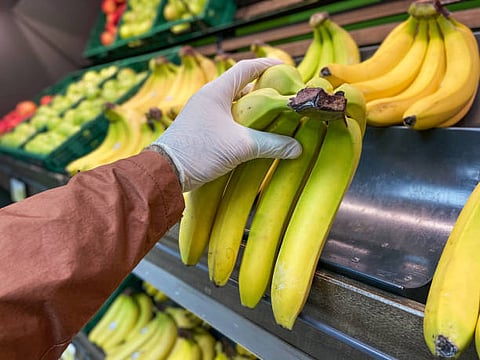


Did you ever wonder whether the bananas that you have been relishing are naturally ripened or chemically? As bananas are often harvested green and require to be transported at longer distances, traders frequently rely on artificial ripening chemicals to turn them into yellow colour instantly.
Banana is one of the most loved fruits that can be accessed without any difficulty all across the globe if you are feeling hungry and need quick energy. The fruit offers many benefits that may include boosting heart health, improving digestion, and providing quick energy. It offers several vitamins and minerals essential to remain healthy. These include vitamin C, fibre, vitamin B6, magnesium, and antioxidants. The fruit does not only support your healthy eating habits but emerged a vital source of sustainable nutrition.
Chemical ripening of the fruit can impact taste and appearance of banana that may pose health hazards and negatively impact the digestion process.
The fruit is chemical ripened in order to increase the yellowing and softening procedure for making them available instantly for commercial sale as they are harvested green and transported long distances. Traders often use agents such as calcium carbide (it produces acetylene gas) and ethylene gas that spurs ripening process. However, artificially ripened bananas often show uneven texture, reduced flavor, and may cause health issues as a result of chemicals such as phosphorous and arsenic from carbide.
According to National Library of Science, calcium carbide is considered unsafe and prohibited in several countries under Section 26 of food regulation of 1993. Commercial calcium carbide carries traces of arsenic and phosphorous. Arsenic and phosphorous hydride can be poisonous and "cause vomiting, diarrhea with or without blood, burning sensation of the chest and abdomen, thirst, weakness, difficulty in swallowing, irritation or burning in the eyes and skin, permanent eye damage, and so on."
Appearance: Naturally ripened bananas appear with black or brown stalk. The skin of the fruit looks darkish yellow containing black and brown spots spread all over the fruit in an uneven manner. However, if the fruit is chemically ripened, it will have a lemon-yellow skin with spotless appearance. These fruits will also contain green stalk.
Feel: If the banana is not naturally ripened, a few parts of the fruit will feel soft while other parts will feel hard. It is due to some parts of the fruit may have come into the contact of the chemicals while others may not have exposed to the chemicals.
Smell: Naturally ripened bananas will carry sweet aroma particularly near the stem. The sweet aroma is produced from the natural breakdown of starch into sugar. However, artificially ripened bananas smell grassy or oddly chemical with some of them offering no smell at all. You should always smell near the top to figure out whether it is artificially ripened or naturally.
Check Stem: Stem of naturally ripened bananas will appear dry and a little shrunken. While stem of chemically ripened bananas will often appear bright green and unnaturally fresh while the remaining fruit appears bright yellow.
At marvelof.com, we spotlight the latest trends and products to keep you informed and inspired. Our coverage is editorial, not an endorsement to purchase. If you choose to shop through links in this article, whether on Amazon, Flipkart, or Myntra, marvelof.com may earn a small commission at no extra cost to you.