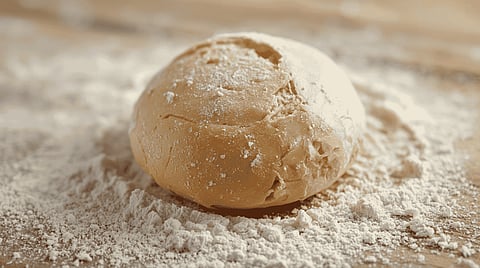


In an effort to manage things hassle-free and spare some quality time, many people prefer to knead some extra dough and store in the refrigerator for using it later. However, the practice may cause digestive issues as explained by leading nutritionist Shweta Shah in an Instagram video. According to Shweta Shah, “Most people think wheat is the problem… but actually, our habits are the problem. The biggest mistake? Making dough in the morning and using it at night or keeping atta dough for 10–48 hours in the fridge.”
When water stays mixed with atta for too long, excess gluten gets released, making rotis stretchy, chewy & harder to digest, added Shah. She recommended using fresh dough as there will be less gluten release and easier digestion.
“Always make fresh dough and use within 10-15 minutes. Use old variety of wheat (more digestible). Add a little castor oil to coat the flour before adding water,” suggested Shah.
Meanwhile, according to report published in The Indian Express, chief dietician Dr Amreen Sheikh, KIMS Hospital, said that freshly kneaded dough acts differently when compared with dough stored for longer tenures.
“When wheat flour stays mixed with water for many hours, the gluten keeps relaxing and expanding. This makes the dough stretchy, rubbery, and harder for the stomach to break down. Fresh dough, however, forms a softer structure with less gluten release. The result is rotis that are lighter, easier to digest, and less likely to cause bloating or heaviness after meals,” Sheikh stated.
Potential Health Risks of Leftover Dough:
If you have been storing atta dough for longer periods in an improper way, it may cause potential health issues, digestive problems, and altered taste and appearance. Below are some of the disadvantages that you must be aware of:
Food Poisoning: When you consume leftover aata dough, it may have already been contaminated with dangerous bacteria or mold that may cause foodborne illnesses. It may cause stomach ache, vomiting, cramps in the stomach, fever, and diarrhea.
May Lead to Microbial Growth: Leftover dough remains moist that may offer a perfect atmosphere for bacteria such as E.coli and salmonella and fungi that can multiply at room temperature.
Digestive Issues: When the dough sits for longer period, it releases excess gluten. It may make the structure tougher and rubbery. The changed gluten structure may become difficult for the stomach to break down thus leading to digestive woes.
Disclaimer: This content is for general informational purposes only and should not replace professional medical advice. Always consult a qualified healthcare provider with any questions about your health or treatment options.
At marvelof.com, we spotlight the latest trends and products to keep you informed and inspired. Our coverage is editorial, not an endorsement to purchase. If you choose to shop through links in this article, whether on Amazon, Flipkart, or Myntra, marvelof.com may earn a small commission at no extra cost to you.