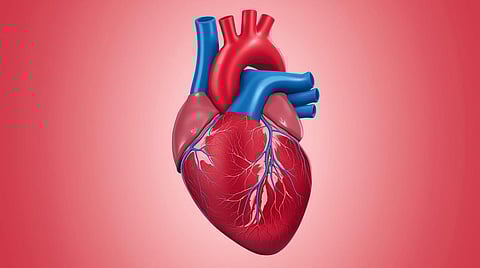


Heart disease is becoming increasingly common, but the good news is that a healthy diet can help protect your heart and reduce long-term risk. What you eat plays a major role in controlling cholesterol, blood pressure, weight, and inflammation, four key factors that affect heart health. By choosing the right foods, you can support your heart naturally and keep it functioning at its best. Here are some of the most beneficial foods for heart health and why they matter.
Oats are one of the best foods for heart health because they are rich in soluble fiber, which helps reduce LDL or “bad” cholesterol. Whole grains like brown rice, quinoa, barley, and whole wheat also support healthy cholesterol levels and improve digestion. A diet high in whole grains can lower the risk of heart disease and stroke.
Spinach, kale, methi, and other leafy greens provide vitamins, minerals, and antioxidants that help protect blood vessels. They are excellent sources of vitamin K, which supports healthy blood clotting and keeps arteries flexible. Greens also contain nitrates, which help reduce blood pressure.
Fish such as salmon, mackerel, sardines, and tuna are rich in omega-3 fatty acids, which reduce inflammation, lower triglycerides, and support heart rhythm. Regular consumption of omega-3–rich fish is linked to a lower risk of heart attack and stroke.
Almonds, walnuts, chia seeds, flaxseeds, and pumpkin seeds are excellent for heart health. They contain healthy fats, plant sterols, magnesium, and fiber—all of which help lower cholesterol and improve blood vessel function.
Walnuts and flaxseeds are especially rich in ALA omega-3s.
Berries, apples, oranges, pomegranates, and grapes are loaded with antioxidants like vitamin C and polyphenols. These help reduce inflammation and prevent plaque buildup in arteries.
Pomegranates and berries are particularly powerful for protecting heart health.
Extra virgin olive oil contains monounsaturated fats and antioxidants that reduce bad cholesterol and protect arteries from damage. Replacing butter or ghee with olive oil for some meals can improve heart health.
Chickpeas, rajma, lentils, and moong dal are great plant-based protein sources with high fiber and low fat. They help lower cholesterol, balance blood sugar, and keep you full longer—important for weight management.
A heart-healthy diet is not about restriction—it’s about smart choices. Add more whole grains, fruits, vegetables, nuts, seeds, fish, and healthy fats to your meals. Reduce processed foods, sugar, and excessive salt. Consistency is key: even small changes, when done daily, can significantly protect your heart in the long run.
Disclaimer: This content is for general informational purposes only and should not replace professional medical advice. Always consult a qualified healthcare provider with any questions about your health or treatment options.
At marvelof.com, we spotlight the latest trends and products to keep you informed and inspired. Our coverage is editorial, not an endorsement to purchase. If you choose to shop through links in this article, whether on Amazon, Flipkart, or Myntra, marvelof.com may earn a small commission at no extra cost to you.