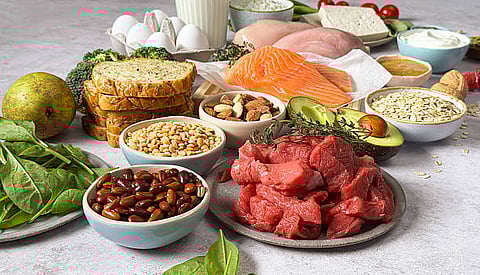


Protein is very difficult to digest and requires powerful stomach acids and enzymes. When your gut and digestion are stressed, it is not working well. That is when it gives you this discomfort. It sits heavily, ferments in the gut, and this fermentation leads to the discomfort.
It is important to eat protein-rich meals as they help in building and repairing tissues, enhancing immunity, regulating hormones, and maintaining the muscle mass. When you consume adequate protein, it can boost the metabolism, support weight loss by enhancing satiety, and strengthen the bones. Protein-rich food is significant for repairing body post injury and long-term overall health. However, you may sometime feel bloated and heavy after consuming protein. Leading nutritionist Palak Nagpal shared some quick tips to fix your protein intake.
The nutritionist shared a video on her Instagram handle (@nutritionwithpalaknagpal) to highlight that 2025 was the year of protein. It included consumption of protein-rich bars, shakes, and recipes loaded with protein. However, instead of feeling healthier and stronger, we experienced bloating and heaviness.
“Think of your gut like a sink, and the drain is working slow. Think of water as the protein. Now, when you keep filling your sink with more and more water, and your drain's not working well, what happens is that the water eventually flows out. That's not because the water is bad. But that is because the drain is not working well. This simply means that protein is not bad. But when your gut can not handle it, that is when the problem begins,” she emphasised.
She revealed that when you face indigestion due to protein it occurs due to unavailability of strong stomach acids and enzymes. Protein is very difficult to digest and requires powerful stomach acids and enzymes. “But when your gut and digestion are stressed, it is not working well. That is when it gives you this discomfort. It sits heavily, ferments in the gut, and this fermentation leads to the discomfort,” she explained.
The nutritionist shared three key steps that can improve protein intake. She said the need of the hour is to fix the gut to address the issue effectively. Check the three steps below:
Step 1: Digest Before You Increase: The nutritionist emphasised on chewing ginger before meals as it can support stomach acids. She also recommended eating warm and cooked protein with strong focus on chewing the food properly.
Step 2: Simplify Protein Sources: She recommended on consuming only one type of protein at one meal. She asked to avoid stacking protein powders with meals.
Step 3: Heal The Gut Lining - Pre & Probiotics: She suggested to eliminate constant irritants, reduce immune triggers, and add calming foods. You can increase your intake of prebiotic rich foods by including foods like banana, yogurt, oats, onions, leeks, and garlic as they cure the gut lining.
Disclaimer: This content is for general informational purposes only and should not replace professional medical advice. Always consult a qualified healthcare provider with any questions about your health or treatment options.
At marvelof.com, we spotlight the latest trends and products to keep you informed and inspired. Our coverage is editorial, not an endorsement to purchase. If you choose to shop through links in this article, whether on Amazon, Flipkart, or Myntra, marvelof.com may earn a small commission at no extra cost to you.