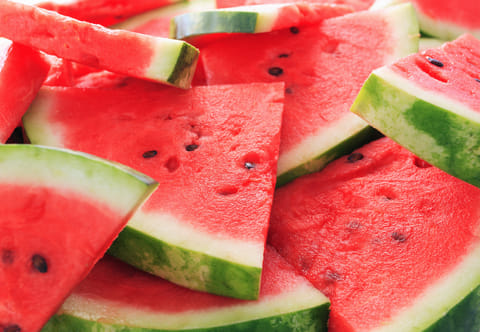

Does eating watermelon trigger bloating? Simple tips to prevent discomfort.
Credit: istockphoto

Watermelon is a refreshing summer fruit packed with water, fibre, and natural sugars, making it a hydrating choice in hot weather. However, some people experience bloating after eating it. This is often due to its high-water content combined with fructose, which can be difficult to digest in large amounts. Eating watermelon quickly or in excess may lead to gas and discomfort. For most, moderate portions are well tolerated and beneficial for hydration and digestion.
Watermelon is often seen as the ultimate summer fruit, hydrating, refreshing, and naturally sweet. But a common question many people have is: does watermelon actually cause bloating? The answer isn’t a simple yes or no. For most people, watermelon is light and easy to digest, but in certain situations, it can lead to temporary bloating or discomfort.
Why Watermelon Is Usually Easy on the Stomach
Watermelon has a high-water content, over 90 percent which makes it excellent for hydration and digestion. It’s also low in calories and contains natural sugars that provide quick energy. Because it’s light and mostly water, many people find it soothing, especially in hot weather.
Additionally, watermelon contains fibre, which supports gut health. In moderate amounts, this combination of water and fibre can actually help prevent constipation and promote smooth digestion.
So, Why Does It Cause Bloating for Some People?
The main reason watermelon may cause bloating lies in its sugar content, particularly a type called fructose. Watermelon is relatively high in fructose, and some people have difficulty absorbing it properly. When fructose isn’t fully digested in the small intestine, it moves to the large intestine, where it ferments. This process can produce gas, leading to bloating, discomfort, or even mild cramps.
This is more common in individuals with sensitive digestion or conditions like fructose malabsorption or irritable bowel tendencies.
Portion Size Matters
One of the biggest reasons people experience bloating after eating watermelon is simply overeating. Since it’s so refreshing and light, it’s easy to eat large quantities in one sitting. However, consuming too much at once can overwhelm your digestive system, especially due to its high water and sugar content.
Eating watermelon in moderate portions like one to two cups at a time can help reduce the chances of bloating.
Timing Can Make a Difference
In many traditional dietary practices, watermelon is best eaten on an empty stomach or as a standalone snack. Mixing it with heavy meals or eating it right after a large meal may slow down digestion. Because watermelon digests quickly, combining it with slower-digesting foods can sometimes lead to fermentation in the gut, causing gas and bloating.
While this doesn’t affect everyone, people with sensitive stomachs may notice a difference.
Individual Sensitivity Plays a Role
Not everyone reacts to watermelon the same way. Some people can eat it freely without any discomfort, while others may feel bloated even with small amounts. Your gut health, enzyme levels, and overall diet all influence how your body processes certain foods.
If you notice consistent bloating after eating watermelon, it might be helpful to track your intake and see if reducing portion size or adjusting timing improves your symptoms.
Tips to Enjoy Watermelon Without Bloating
If you love watermelon but want to avoid discomfort, a few simple habits can help:
1. Stick to moderate portion sizes
2. Eat it as a mid-morning or afternoon snack instead of after heavy meals
3. Avoid combining it with too many other foods
4. Chew slowly to aid digestion
5. Stay mindful of your body’s response
Watermelon doesn’t inherently cause bloating for everyone. In fact, for many people, it’s a hydrating and digestion-friendly fruit. However, due to its fructose content and the tendency to overeat it, some individuals may experience temporary bloating.
The key lies in moderation and understanding your own body. With the right approach, you can continue enjoying watermelon as a refreshing and healthy part of your diet without the discomfort.
FAQs
Does watermelon cause bloating for everyone?
No, watermelon does not cause bloating for everyone. Its high water and fiber content usually make it easy to digest. However, individuals with fructose malabsorption, sensitive digestion, or irritable bowel tendencies may experience temporary bloating due to fructose fermentation in the gut.
How does watermelon’s fructose content contribute to bloating?
Watermelon contains a type of sugar called fructose, which some people have difficulty absorbing fully in the small intestine. Undigested fructose ferments in the large intestine, producing gas that can lead to bloating and discomfort, especially in those with sensitive digestion.
What portion size of watermelon is recommended to avoid bloating?
To reduce the chance of bloating, it is advisable to eat watermelon in moderate portions, such as one to two cups at a time. Overeating large quantities can overwhelm the digestive system due to watermelon’s high water and sugar content.
At marvelof.com, we spotlight the latest trends and products to keep you informed and inspired. Our coverage is editorial, not an endorsement to purchase. If you choose to shop through links in this article, whether on Amazon, Flipkart, or Myntra, marvelof.com may earn a small commission at no extra cost to you.