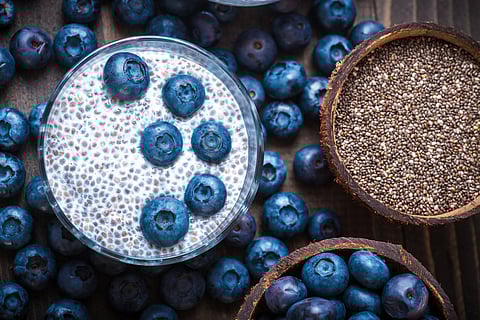

Why Chia Seeds Are Your Gym Buddy and Sabja Seeds Are Your Summer Bestie
Credit: itsockphoto

Chia seeds and sabja seeds may look similar when soaked, but they serve different purposes. Chia, native to Mexico, is a nutrient powerhouse packed with omega‑3s, fibre, and protein, perfect for long‑term health, weight management, and sustained energy. Sabja, rooted in Indian tradition, is prized for its cooling properties, quick digestion support, and refreshing role in summer drinks like falooda.
At first glance, chia seeds and sabja seeds (also called basil seeds) look almost identical once they’re soaked, they both swell up and form a jelly‑like coating. But don’t be fooled: these two tiny seeds have very different personalities. One is the global wellness superstar, the other is the traditional Indian cooling hero.
Origins And Background
· Chia seeds come from the Salvia hispanica plant, native to Mexico. They’ve recently became a global ‘superfood.’
· Sabja seeds, on the other hand, come from the Ocimum basilicum plant, yes, the same basil family we use in cooking. In India, sabja has been part of Ayurveda for centuries, especially for its cooling properties during the hot summer months.
So, while chia is the trendy import, sabja is the OG seed that’s been sitting quietly in your falooda all along.
Appearance and Soaking
Chia seeds are tiny, oval, and usually greyish with specks of white or brown. They take about 30-45 minutes to fully swell up in water.
Sabja seeds are slightly larger, jet black, and puff up in just 5–10 minutes.
If you’re impatient, sabja wins hands down, you can toss them into your lemonade and sip away almost instantly.
Nutritional Highlights
Here’s where chia flexes its muscles:
Chia seeds are loaded with omega‑3 fatty acids, antioxidants, protein, and fibre. They’re great for heart health, sustained energy, and keeping you full longer.
Sabja seeds are lighter nutritionally but shine in digestion and cooling. They help with bloating, acidity, and gut health. They also have a reputation for improving skin texture and calming inflammation.
Think of chia as your long‑term nutrition buddy, while sabja is your quick‑fix summer saviour.
Texture and Taste
Chia has a thicker, gel‑like consistency when soaked, making it perfect for puddings, smoothies, and even baking.
Sabja feels lighter and softer, blending seamlessly into drinks like falooda, sherbets, or lemonades without overpowering the taste.
If you’re into experimenting with trendy recipes, chia is versatile. If you want something refreshing and traditional, sabja is unbeatable.
Health Benefits Compared
Weight management: Chia keeps you fuller for longer, making it a good option for weight loss. Sabja helps reduce bloating and gives short‑term relief.
Hydration: Chia retains water well, useful for endurance workouts. Sabja cools the body, perfect for Indian summers.
Heart health: Chia’s omega‑3s are excellent for cardiovascular support. Sabja doesn’t have that, but it’s gentler on digestion.
Risks and Precautions
Chia seeds: Because they’re high in fibre, eating too much can cause bloating. Also, they may lower blood pressure, so people with hypotension should be cautious.
Sabja seeds: Generally safe, but overconsumption can lead to mild digestive discomfort.
Honestly, you don’t have to choose one over the other. Keep both in your pantry: chia for your morning smoothie, sabja for that chilled afternoon drink.
Chia is like your global gym buddy, nutrient‑dense, trendy, and perfect for long‑term health goals. Sabja is your Indian summer friend, cooling, soothing, and always ready to rescue you from the heat. Together, they’re a powerhouse duo.
FAQs
What are the main nutritional differences between chia seeds and sabja seeds?
Chia seeds are rich in omega-3 fatty acids, antioxidants, protein, and fiber, supporting heart health and sustained energy. Sabja seeds have lighter nutrition but excel in aiding digestion, reducing bloating, and cooling the body, with benefits for skin texture and inflammation.
How do soaking times affect the use of chia and sabja seeds in recipes?
Chia seeds need about 30-45 minutes to fully swell and develop a thick gel-like texture, making them ideal for puddings and smoothies. Sabja seeds swell faster, within 5-10 minutes, forming a lighter gel that blends well into drinks like falooda or lemonades.
Are there any health risks associated with consuming chia or sabja seeds?
Consuming large amounts of chia seeds may cause bloating or lower blood pressure, which can be a concern for people with hypotension. Sabja seeds are generally safe but can cause mild digestive discomfort if overconsumed.
Can I use both chia and sabja seeds together, or should I choose one?
You can use both seeds; they complement each other well. Chia seeds are suitable for long-term nutrition and fitness goals, while sabja seeds offer quick cooling and digestive support, especially during hot weather.
At marvelof.com, we spotlight the latest trends and products to keep you informed and inspired. Our coverage is editorial, not an endorsement to purchase. If you choose to shop through links in this article, whether on Amazon, Flipkart, or Myntra, marvelof.com may earn a small commission at no extra cost to you.