
Summer Foods That Keep You Cool - Practical diet swaps for heatwave comfort
Credit: istockphoto

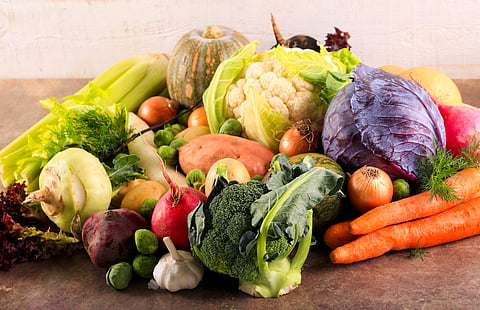
Certain vegetables can intensify body heat during a heatwave, making digestion harder and increasing discomfort. Root vegetables like carrots and radish, fibrous options such as drumstick pods, and thermogenic foods like brinjal and mustard greens may trigger bloating, acidity, or rashes.
During a heatwave, most people focus on staying cool by drinking more water, eating hydrating foods, and avoiding direct sunlight. However, many people don’t realise that certain vegetables can also contribute to increased body heat. Some vegetables naturally stimulate metabolism, improve circulation, or contain compounds that create a warming effect in the body. Eating too much of these foods during extremely hot weather may leave you feeling uncomfortable, dehydrated, or overheated.
This does not mean these vegetables are unhealthy. In fact, many of them are highly nutritious and beneficial throughout the year. The key is moderation, especially during peak summer months and heatwave conditions.
Here are some vegetables that may raise body heat and are best consumed carefully during extreme heat.
1. Ginger
Ginger is widely known for its warming properties. It improves blood circulation and boosts thermogenesis, the process through which the body generates heat. While ginger tea is comforting during winters or rainy days, excessive consumption during a heatwave may make the body feel warmer.
Many people add ginger to chai, kadha, curries, and juices without realising that it has a heating effect. During very hot weather, it is better to consume it in smaller quantities.
2. Garlic
Garlic is another ingredient believed to increase internal heat. It stimulates blood flow and metabolism, which may contribute to a feeling of warmth in the body. Although garlic offers several health benefits, including immune support and heart health, eating too much raw garlic during summer can sometimes lead to acidity, sweating, or discomfort.
Using garlic moderately in cooked meals is generally a better option during heatwaves.
3. Onions
Interestingly, onions are often considered both cooling and heating depending on how they are consumed. Raw onions are commonly eaten in Indian summers because they are believed to help protect against heat. However, cooked onions, especially when heavily fried or caramelised, may increase body warmth due to their effect on digestion and metabolism.
The preparation method plays a big role in how onions affect the body.
4. Green Chillies
Green chillies contain capsaicin, a compound that creates a spicy sensation and temporarily increases body temperature. Capsaicin can trigger sweating, which is the body’s natural cooling mechanism, but it may also make some people feel overheated during a heatwave.
Spicy curries, chutneys, and heavily seasoned street food can sometimes worsen discomfort in extremely hot weather, especially for people sensitive to spice.
5. Radish
Radish is another vegetable that may generate heat in the body when consumed in excess. It stimulates digestion and metabolism, which can produce warmth internally. While radish is rich in fibre and nutrients, eating too much of it during intense summer heat may cause digestive discomfort in some individuals.
Light and balanced portions are usually recommended during hot weather.
6. Mustard Greens
Leafy vegetables like mustard greens are often associated with winter meals because of their warming nature. Dishes such as sarson ka saag are traditionally consumed during colder months for this reason.
Mustard greens are highly nutritious, but they may not feel as refreshing or suitable during extreme summer temperatures.
7. Beetroot
Beetroot improves blood circulation and boosts stamina, but some people believe it may also create mild internal heat when consumed regularly in large amounts during summer. Beetroot juice is healthy, yet moderation is important during heatwaves, especially when combined with other warming foods.
Pairing beetroot with hydrating ingredients like cucumber or mint can help balance its effects.
During extremely hot weather, focus more on cooling and hydrating foods such as cucumber, watermelon, coconut water, bottle gourd, curd, mint, and citrus fruits. Avoid excessively spicy, oily, or fried meals, as they may contribute to dehydration and fatigue.
At marvelof.com, we spotlight the latest trends and products to keep you informed and inspired. Our coverage is editorial, not an endorsement to purchase. If you choose to shop through links in this article, whether on Amazon, Flipkart, or Myntra, marvelof.com may earn a small commission at no extra cost to you.