
Trying to Lose Weight? Add These Low-Calorie Foods to Your Plate
Credit: istockphoto

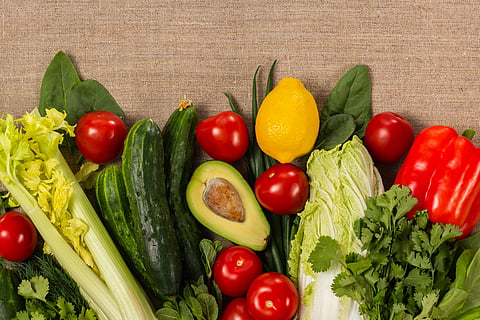
When trying to lose weight, choosing foods that are low in calories but high in water and fibre can make dieting easier. Foods such as cucumber, celery, lettuce, zucchini, tomatoes, mushrooms, and cabbage provide volume without significantly increasing calorie intake. These foods can help keep you full, improve hydration, and support digestive health.
One of the biggest challenges of dieting is managing hunger while keeping calorie intake under control. Fortunately, some foods are so low in calories that they can be enjoyed generously without significantly affecting your daily calorie goals. While no food is completely calorie-free, many vegetables and fruits are extremely low in calories because they contain large amounts of water and fibre.
Including these foods in your meals can help you feel fuller for longer, reduce cravings, and support healthy weight management. Here are some of the best almost zero-calorie foods to add to your diet.
1. Cucumber
Cucumber is made up of about 95% water, making it one of the most hydrating and low-calorie foods available. A cup of sliced cucumber contains only around 15 calories.
Its refreshing taste makes it perfect for salads, sandwiches, smoothies, or as a healthy snack between meals.
2. Celery
Celery has long been considered a classic diet food. One medium stalk contains only a few calories while providing fibre and water that help promote fullness.
You can enjoy celery sticks with hummus, add them to soups, or include them in salads for extra crunch.
3. Lettuce
Lettuce is incredibly low in calories and can add volume to meals without increasing calorie intake significantly. Whether it's iceberg, romaine, or leaf lettuce, it can be used as the base for nutrient-rich salads.
A large bowl of lettuce-based salad can help satisfy hunger while keeping calories in check.
4. Zucchini
Zucchini is another versatile vegetable that is low in calories and rich in nutrients. One cup contains roughly 20 calories.
It can be grilled, roasted, added to soups, or spiralized into "zoodles" as a healthy alternative to pasta.
5. Tomatoes
Tomatoes are rich in antioxidants, particularly lycopene, and contain relatively few calories. A medium tomato contains around 20 calories while providing vitamins A and C.
They add flavour, colour, and nutrition to salads, sandwiches, and cooked dishes.
6. Mushrooms
Mushrooms are naturally low in calories and packed with nutrients. Their meaty texture makes them a great substitute for higher-calorie ingredients in many recipes.
They can be grilled, sautéed, stuffed, or added to soups and stir-fries.
7. Cabbage
Cabbage is high in fibre and water but low in calories, making it an excellent addition to a weight-loss diet. It can be enjoyed raw in salads and slaws or cooked in soups and stir-fries.
Its fibre content may also help support healthy digestion.
8. Radishes
Radishes provide a crisp texture and peppery flavour while containing very few calories. They make a refreshing addition to salads and can also be eaten on their own as a snack.
Their high water content contributes to hydration and fullness.
9. Spinach
Spinach is loaded with vitamins, minerals, and antioxidants while remaining extremely low in calories. It can be used in salads, smoothies, soups, and curries.
Its nutrient density makes it a valuable food for anyone trying to lose weight without sacrificing nutrition.
10. Watermelon
Although slightly higher in calories than most vegetables, watermelon is still a diet-friendly option due to its high-water content. It can help satisfy sweet cravings while providing hydration and essential nutrients.
FAQs
How do almost zero-calorie foods help with managing hunger during dieting?
Almost zero-calorie foods, like cucumbers and lettuce, are high in water and fibre, which promote fullness and reduce cravings. This helps you feel satiated for longer periods without significantly increasing calorie intake, supporting effective hunger management during dieting.
How do these low-calorie foods compare to traditional snacks in terms of calories and nutrition?
Compared to traditional snacks, almost zero-calorie foods such as celery and mushrooms have substantially fewer calories while offering essential nutrients like vitamins, antioxidants, and fibre. They provide volume and satiation with minimal caloric impact, making them superior choices for weight management.
What are practical ways to include these low-calorie vegetables and fruits in daily meals?
These foods can be incorporated easily: cucumbers and tomatoes in salads or sandwiches; zucchini spiralized as pasta alternatives; mushrooms grilled or sautéed; celery sticks with hummus as snacks; and spinach added to smoothies or soups. Their versatility supports diverse meal options.
At marvelof.com, we spotlight the latest trends and products to keep you informed and inspired. Our coverage is editorial, not an endorsement to purchase. If you choose to shop through links in this article, whether on Amazon, Flipkart, or Myntra, marvelof.com may earn a small commission at no extra cost to you.