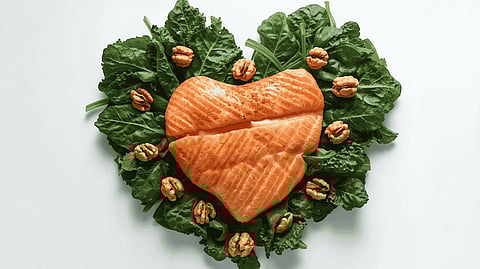


A heart-healthy diet is crucial to keep away cardiovascular diseases. Key nutrients from green leafy veggies, berries, avocados can help manage cholesterol, oxidative stress, and inflammation. While exercise and lifestyle choices matter, foods rich in antioxidants, vitamins and healthy fats too play a vital role maintaining a strong heart and overall well-being. Check them out below.
It is significant to take adequate amount of green leafy vegetables for a sound and healthy heart. These may include spinach, kale, lettuce, collard greens, microgreens, etc. They are an excellent source of antioxidants, vitamins, and minerals. These vegetables contain crucial vitamin K that can save your arteries and boost effective blood clotting. They are also rich in dietary nitrates that may bring down blood pressure, decline arterial stiffness, and enhance cell functioning lining blood vessels. An American Heart Association (AHA) research links leafy green vegetable consumption to increased cardiovascular health benefits and a reduced risk of heart disease than other fruits and vegetables.
Consumption of berries such as strawberries, blackberries, blueberries can boost your heart health like never before. Berries are a powerful source of antioxidants such as anthocyanins that can offer strong protection against oxidative stress and inflammation that may lead to surge in the risk of heart diseases. Increased intake of anthocyanin may decrease coronary artery disease risk that may include hypertension and heart attack.
“We have to eat high fiber foods with low sugar index in them so that the sugar spikes do not occur. Wild, natural berries are high in antioxidants and are very healthy for the heart. You have to try and avoid saturated fat and seed oils. Natural oils are okay to a certain extent. Fish and oils from the walnuts contain a few essential fatty acids which are good for the heart,” says Dr. Srinivas Dinesh Kudva, Lilavati Hospital, Mumbai.
Avocados are rich source of monosaturated fats that may lead to declined cholesterol levels and bring down risk of heart diseases. Avocados may help in improving LDL (bad) cholesterol levels. As the fruits is an excellent source of potassium, it can help in reducing blood pressure.
You should include fatty fish such as sardines, salmon to your diet as they contain Omega-3 fatty acid that offers benefits to your heart health. If you are unable to eat adequate amount of seafood, you may take fish oil for receiving your daily dose of Omega-3 fatty acids.
They have emerged a key source of fibre and other micronutrients such as copper and manganese. The dry fruit may reduce LDL (bad) and total cholesterol.
Disclaimer: This content is for general informational purposes only and should not replace professional medical advice. Always consult a qualified healthcare provider with any questions about your health or treatment options.
At marvelof.com, we spotlight the latest trends and products to keep you informed and inspired. Our coverage is editorial, not an endorsement to purchase. If you choose to shop through links in this article, whether on Amazon, Flipkart, or Myntra, marvelof.com may earn a small commission at no extra cost to you.