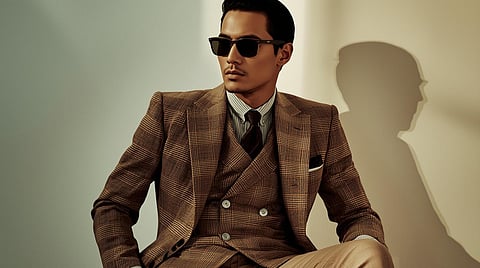


Vintage fashion in 2025 has moved beyond nostalgia to become a defining style movement. From archival silhouettes to thrifted everyday wear, this shift reflects a growing focus on individuality, sustainability, and timeless design.
In 2025, vintage fashion is no longer just a nostalgic throwback, it’s a powerful shift in how people define personal style. From archival runway revivals to thrifted everyday outfits, vintage clothing has become a go-to for those seeking individuality, sustainability, and timeless appeal.
But why is vintage fashion trending again? And what makes it so relevant in today’s fast-moving fashion landscape? The answer lies in a mix of cultural shifts, conscious choices, and a desire for style that feels truly personal.
There’s something quietly powerful about wearing a piece of clothing that already has a story. In 2025, fashion didn’t just flirt with the past, it fully embraced it. Vintage and archival fashion became less of a trend and more of a movement, driven by emotion, individuality, and a growing desire for authenticity.
After years of fast fashion cycles and viral micro-trends, people began asking deeper questions: Who made this? Why does it matter? And will I still love it five years from now? Vintage fashion, with its lived-in charm and cultural relevance, offered answers that newness often couldn’t.
The renewed obsession with vintage wasn’t accidental. It reflected a broader shift in mindset, one that values longevity over instant gratification. Older garments carry craftsmanship that’s increasingly rare today: hand-finished seams, thoughtful tailoring, and fabrics built to last.
More importantly, vintage allows personal style to shine. When you wear an archival dress or a retro denim jacket, you’re unlikely to run into someone wearing the exact same piece. In a world of algorithm-led fashion, that sense of individuality feels refreshing, even rebellious.

What made 2025 different was how accessible vintage became. It wasn’t limited to museums or celebrity closets anymore. Archival silhouettes inspired modern collections, while thrifted finds and second-hand platforms made retro fashion part of daily dressing.
Slip dresses reminiscent of the ’90s, structured blazers from the early 2000s, relaxed denim cuts, and classic handbags all found their way back into wardrobes, styled with a modern lens. Vintage no longer meant costume-like; it meant intentional.
One of the biggest reasons vintage fashion gained momentum is its quiet sustainability. Wearing pre-loved clothing is one of the most eco-conscious fashion choices you can make, no new production, no excess waste, just reinvention.
But what’s interesting is that sustainability wasn’t always the headline. People chose vintage because it felt cool, meaningful, and expressive, the environmental benefits were simply an added bonus. In 2025, ethical fashion stopped feeling preachy and started feeling stylish.
Vintage fashion thrives on emotion. A garment from another decade can remind us of a film scene, a cultural moment, or even a family memory. These pieces connect us to eras we may not have lived through but still feel drawn to.
That emotional depth is hard to replicate with mass-produced clothing. And in a year when fashion felt more personal than ever, that connection mattered.
If 2025 taught us anything, it’s that fashion doesn’t need to constantly reinvent itself to stay relevant. Sometimes, the most exciting thing you can do is revisit what already exists, and wear it your own way.
Vintage fashion isn’t about going backwards. It’s about carrying the past forward with confidence, creativity, and care. And judging by how deeply it resonated this year, it’s not going anywhere anytime soon.
What factors are driving the resurgence of vintage fashion in 2025?
The resurgence is driven by cultural shifts valuing individuality, sustainability, and timeless design. Consumers seek authenticity beyond fast fashion, appreciating craftsmanship, personal style, and emotional connection to clothing with history.
How does vintage fashion compare to fast fashion in terms of sustainability?
Vintage fashion is more sustainable as it involves wearing pre-loved clothing with no new production or waste generated. It reduces environmental impact by extending the lifecycle of garments, unlike fast fashion which relies on mass production and quicker disposal.
How accessible has vintage fashion become for everyday wear in 2025?
Vintage fashion in 2025 became widely accessible through thrift stores, second-hand platforms, and archival influences in new collections. This democratization means retro styles are now part of daily wardrobes, no longer exclusive to museums or celebrities.
What is the emotional appeal of wearing vintage clothing?
Vintage clothing connects wearers to past eras, cultural moments, or personal memories, providing a unique emotional depth. This lived-in charm and story make vintage pieces feel personal and meaningful, unlike mass-produced items.
At marvelof.com, we spotlight the latest trends and products to keep you informed and inspired. Our coverage is editorial, not an endorsement to purchase. If you choose to shop through links in this article, whether on Amazon, Flipkart, or Myntra, marvelof.com may earn a small commission at no extra cost to you.