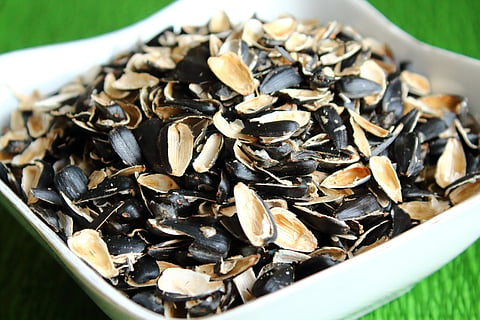

Are Sunflower Seed Shells Safe to Eat? Here's What They Can Do to Your Digestive System
Credit: istockphoto

Sunflower seed kernels are nutritious, but their hard outer shells are difficult for the human body to digest. Eating a few shell fragments accidentally is usually harmless, but consuming large amounts can irritate the digestive tract and lead to bloating, stomach pain, constipation, or even intestinal blockages in rare cases. Children, older adults, and people with digestive issues may face a higher risk of complications.
Sunflower seeds are a popular snack packed with nutrients such as healthy fats, protein, fibre, vitamin E, and minerals. While the kernels are safe and nutritious, the hard outer shells are a different story. Many people accidentally swallow sunflower seed shells or eat them intentionally, assuming they provide extra fibre. However, sunflower seed shells can have several effects on the digestive system that are worth understanding.
The shell of a sunflower seed is primarily made of cellulose and lignin, materials that the human digestive system cannot easily break down. Unlike the edible kernel, the shell passes through the digestive tract largely unchanged. In small amounts, accidentally swallowing a few shell fragments may not cause any significant problems for most healthy individuals.
However, eating large quantities of sunflower seed shells can be tough on the gut. The sharp and fibrous texture of the shells may irritate the lining of the digestive tract. Some people may experience symptoms such as stomach discomfort, bloating, abdominal pain, or constipation after consuming them.
One of the biggest concerns is the risk of digestive blockage. Because the shells are difficult to digest, they can accumulate in the intestines, especially if consumed in large amounts. In rare cases, this can lead to a condition known as a faecal impaction, where a mass of undigested material becomes lodged in the digestive tract. This may cause severe constipation, pain, and difficulty passing stools, sometimes requiring medical treatment.
Children are particularly vulnerable to complications from eating sunflower seed shells. Their digestive systems are smaller, making blockages more likely. Older adults and individuals with digestive disorders may also be at higher risk.
Another issue is that many commercially available sunflower seed shells are heavily salted. Consuming large amounts may contribute to excessive sodium intake, which can lead to dehydration and increase the risk of high blood pressure over time.
That said, not everyone who swallows a few sunflower seed shells will experience problems. The body can usually move small fragments through the digestive system without difficulty. Drinking plenty of water and maintaining a fibre-rich diet may help support normal digestion.
If you experience persistent abdominal pain, severe constipation, nausea, vomiting, or difficulty passing stool after eating sunflower seed shells, it is important to seek medical attention. These symptoms could indicate a blockage or another digestive complication.
The safest approach is to remove the shell and eat only the kernel. This allows you to enjoy the nutritional benefits of sunflower seeds without exposing your digestive system to unnecessary risks. While the shells may seem harmless, consuming them regularly or in large amounts is generally not recommended for optimal gut health.
FAQs
Are sunflower seed shells safe to eat compared to the kernels?
Sunflower seed kernels are nutritious and safe to eat, containing healthy fats, protein, fiber, and vitamins. In contrast, the shells are made of cellulose and lignin, which the human digestive system cannot break down easily. While small accidental ingestion of shells usually causes no harm, eating large quantities can irritate the digestive tract and pose health risks.
What digestive problems can arise from eating sunflower seed shells?
Eating sunflower seed shells in large amounts can cause stomach discomfort, bloating, abdominal pain, and constipation. The shells’ fibrous and sharp texture may irritate the digestive lining and, in rare cases, lead to faecal impaction—an intestinal blockage requiring medical attention.
How can I prevent digestive issues if I accidentally swallow sunflower seed shells?
If you accidentally swallow a few sunflower seed shells, it’s usually not harmful. To aid digestion, drink plenty of water and maintain a fiber-rich diet. This helps move shell fragments through the digestive tract and minimizes irritation.
At marvelof.com, we spotlight the latest trends and products to keep you informed and inspired. Our coverage is editorial, not an endorsement to purchase. If you choose to shop through links in this article, whether on Amazon, Flipkart, or Myntra, marvelof.com may earn a small commission at no extra cost to you.