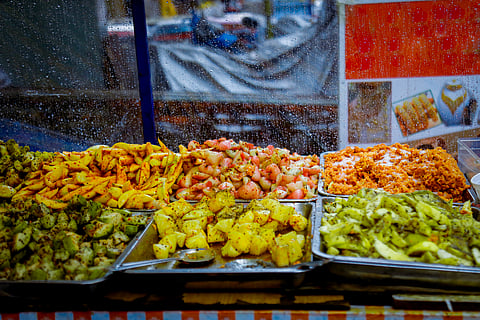

Avoid These Foods During Monsoon to Protect Your Health
Credit: istockphoto

The rainy season brings cooler weather and delicious comfort foods, but it also increases the risk of food contamination and digestive infections. Choosing the right foods can help protect your health. Here's a look at the foods experts recommend limiting or avoiding during monsoon and why.
The arrival of the monsoon offers relief from the summer heat, but it also creates conditions that allow bacteria, fungi, and viruses to thrive. High humidity and frequent rainfall can increase the chances of food contamination, making digestive problems and foodborne illnesses more common during this time of year. While maintaining a balanced diet remains important, avoiding certain foods during the rainy season can help reduce the risk of infections and keep your digestive system healthy.
1. Leafy Green Vegetables
Leafy vegetables such as spinach, lettuce, cabbage, and fenugreek are nutritious throughout the year, but they require extra caution during the monsoon. Rainwater and muddy conditions can increase the presence of dirt, bacteria, and tiny insects on their leaves. If consumed without proper cleaning and cooking, they may contribute to stomach infections. If you choose to eat them, wash them thoroughly and cook them well instead of consuming them raw.
2. Street Food
Monsoon weather makes roadside snacks like pani puri, chaat, and fried treats especially tempting. However, food prepared in unhygienic conditions or exposed to moisture and flies can carry harmful bacteria. Water used in preparation may also be contaminated, increasing the risk of food poisoning, diarrhoea, and stomach infections.
3. Raw Seafood
Seafood can spoil quickly in humid weather if it is not stored at the correct temperature. In addition, the rainy season is a breeding period for many fish and shellfish species, which may affect their quality and availability. If you consume seafood, make sure it is fresh and cooked thoroughly to reduce the risk of foodborne illnesses.
4. Cut Fruits Sold Outside
Pre-cut fruits sold by roadside vendors or left uncovered for long periods are more likely to become contaminated with bacteria and dust. Instead, buy whole fruits, wash them thoroughly at home, and cut them just before eating.
5. Fried and Oily Foods
Pakoras and samosas are popular during rainy weather, but eating excessive fried food can slow digestion and lead to bloating, acidity, and discomfort. Enjoy these foods occasionally rather than making them a regular part of your monsoon diet.
6. Unpasteurised Dairy Products
Milk and dairy products spoil faster in warm and humid conditions if they are not refrigerated properly. Avoid consuming dairy products that have been left outside for long periods or whose freshness is uncertain. Always check expiry dates and store dairy items according to the manufacturer's instructions.
7. Mushrooms from Unknown Sources
Wild mushrooms may grow naturally during the rainy season, but some varieties are poisonous and difficult to distinguish from edible ones. Buy mushrooms only from trusted retailers and cook them thoroughly before consumption.
8. Sugary and Carbonated Drinks
Sugary beverages and soft drinks may provide temporary refreshment, but they offer little nutritional value and excessive consumption may contribute to dehydration and poor dietary habits. Choosing water, soups, coconut water, or freshly prepared beverages can be a healthier option.
Diet Tips For You
To stay healthy during the rainy season, focus on eating freshly cooked meals, drinking safe and clean water, and maintaining good food hygiene. Wash fruits and vegetables thoroughly, avoid stale leftovers, and store food properly to prevent bacterial growth. Including seasonal fruits, whole grains, pulses, and foods rich in vitamin C can also support overall health.
At marvelof.com, we spotlight the latest trends and products to keep you informed and inspired. Our coverage is editorial, not an endorsement to purchase. If you choose to shop through links in this article, whether on Amazon, Flipkart, or Myntra, marvelof.com may earn a small commission at no extra cost to you.