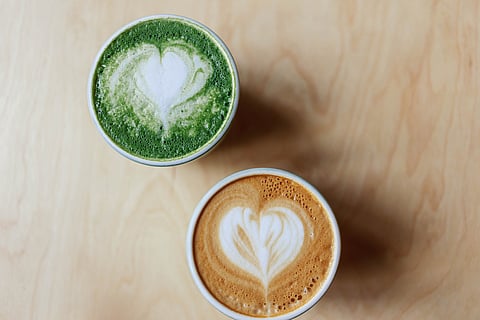

The Great Caffeine Debate: Matcha vs Coffee Explained
Credit: istockphoto

Matcha and coffee are both popular caffeinated beverages with distinct advantages. Coffee offers a stronger and faster energy boost, while matcha provides a more gradual increase in alertness thanks to its combination of caffeine and L-theanine. Matcha is rich in antioxidants, while coffee also contains beneficial plant compounds.
For many people, the day begins with a caffeine boost. While coffee has long been the go-to morning beverage, matcha has gained popularity among health-conscious consumers looking for an alternative source of energy. Both drinks offer unique benefits, but they also come with certain drawbacks. Understanding the differences can help you choose the option that best suits your lifestyle and health goals.
What Is Matcha?
Matcha is a finely ground powder made from specially grown green tea leaves. Unlike traditional green tea, where the leaves are steeped and discarded, matcha involves consuming the entire leaf. This means it contains higher concentrations of antioxidants and nutrients.
Coffee, on the other hand, is made by brewing roasted coffee beans and is one of the most widely consumed beverages in the world. It is known for its strong flavour and high caffeine content.
Energy Boost: How They Compare
One of the biggest reasons people choose coffee is its ability to provide a quick energy boost. A typical cup of coffee contains significantly more caffeine than a serving of matcha, which can increase alertness and improve focus.
Matcha contains less caffeine but includes an amino acid called L-theanine. This compound may promote a sense of calm while enhancing concentration. As a result, many matcha drinkers report experiencing steady energy without the jitters or sudden crash sometimes associated with coffee.
Antioxidant Content
Matcha is often praised for its high antioxidant levels, particularly catechins. These compounds help protect the body's cells from oxidative stress and may support overall health. Since the entire tea leaf is consumed, matcha generally provides more antioxidants than regular green tea.
Coffee also contains antioxidants and has been linked to several health benefits, including support for brain function and potential protection against certain chronic conditions. While coffee may not match the antioxidant concentration of matcha, it still contributes beneficial plant compounds to the diet.
Impact on Digestion
For some individuals, coffee can irritate the digestive system. Its acidity may contribute to acid reflux, stomach discomfort, or digestive upset, particularly when consumed on an empty stomach.
Matcha is generally considered gentler on the stomach. However, some people may still experience digestive discomfort if they consume large amounts or drink it without food.
Potential Drawbacks of Coffee
While moderate coffee consumption is considered safe for most healthy adults, excessive intake can lead to side effects such as nervousness, increased heart rate, sleep disturbances, and anxiety. People who are sensitive to caffeine may be more likely to experience these effects.
Adding excessive sugar, flavoured syrups, or high-calorie creamers can also reduce coffee's overall health benefits.
Potential Drawbacks of Matcha
Although matcha offers several nutritional advantages, it is often more expensive than coffee. High-quality matcha can be costly, and some people may find its earthy flavour less appealing. Additionally, matcha still contains caffeine, meaning excessive consumption can also affect sleep and cause caffeine-related side effects.
At marvelof.com, we spotlight the latest trends and products to keep you informed and inspired. Our coverage is editorial, not an endorsement to purchase. If you choose to shop through links in this article, whether on Amazon, Flipkart, or Myntra, marvelof.com may earn a small commission at no extra cost to you.