
Monsoon Nutrition Guide: What to Eat for Better Immunity
Credit: istockphoto

Monsoon brings pleasant weather but also increases the risk of infections and digestive issues. Discover the best foods to eat, foods to avoid, and simple diet tips to boost immunity and stay healthy throughout the rainy season.
The arrival of the monsoon brings welcome relief from the summer heat, but it also increases the risk of infections, digestive problems, and seasonal illnesses. During the rainy season, humidity creates the perfect environment for bacteria, fungi, and viruses to thrive, making it essential to pay extra attention to your diet. Eating fresh, nutritious foods and avoiding certain high-risk items can help strengthen immunity and keep your digestive system healthy.
Foods to Eat During Monsoon
1. Seasonal Fruits
Choose fruits with thick peels such as bananas, pomegranates, pears, apples, and plums. Wash them thoroughly before eating to reduce the risk of contamination. These fruits provide vitamins, antioxidants, and fibre that support overall health.
2. Warm, Home-Cooked Meals
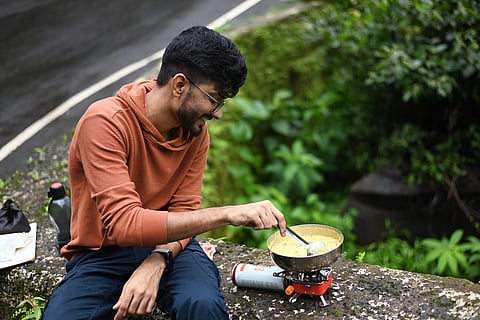
Freshly prepared soups, khichdi, dal, steamed vegetables, and light curries are easier to digest than heavy or oily meals. Warm food also lowers the risk of consuming harmful bacteria that may grow in food left at room temperature.
3. Herbal Teas and Warm Drinks
Herbal teas made with ginger, tulsi, cinnamon, or turmeric may help soothe the throat and support the body's natural immune response. Drinking warm water throughout the day can also aid digestion.
4. Probiotic Foods
Curd, buttermilk, and homemade yogurt contain beneficial bacteria that support gut health. However, if you are prone to throat infections, consume them during the daytime rather than late at night.
5. Immunity-Boosting Spices
Indian kitchens are full of natural ingredients that add both flavour and health benefits. Ginger, garlic, black pepper, turmeric, cumin, and cinnamon possess antioxidant and antimicrobial properties that can support overall wellness when included in everyday meals.
Foods to Avoid During Monsoon
1. Street Food
As tempting as roadside snacks may be, food exposed to rainwater, dust, and poor hygiene carries a higher risk of bacterial contamination. It's best to enjoy freshly prepared homemade alternatives.
2. Leafy Vegetables
Spinach, cabbage, lettuce, and other leafy greens can harbour dirt, insects, and microorganisms during the rainy season. If consuming them, wash thoroughly and cook well instead of eating them raw.
3. Raw Salads
Raw vegetables may contain harmful microbes if not cleaned properly. Lightly steaming or cooking vegetables is a safer option during the monsoon.
4. Seafood
The rainy season is the breeding period for many fish and shellfish species, and fresh seafood may be harder to source. Unless you are certain of its freshness and quality, it is advisable to limit seafood consumption.
5. Fried and Oily Foods
Pakoras, samosas, chips, and other deep-fried snacks are monsoon favourites, but consuming them in excess may cause indigestion, acidity, and bloating. Enjoy them occasionally while balancing your meals with healthier options.
Additional Monsoon Diet Tips
Drink enough clean, filtered, or boiled water to stay hydrated.
Eat freshly cooked food instead of leftovers.
Wash fruits and vegetables thoroughly before use.
Avoid overeating and opt for smaller, balanced meals.
Store food properly to prevent spoilage.
Maintain good kitchen hygiene while preparing meals.
A healthy monsoon diet doesn't require giving up your favourite seasonal treats entirely. The key is to prioritise freshly cooked meals, seasonal fruits, adequate hydration, and proper food hygiene while limiting foods that are more likely to carry bacteria during the rainy season. Small dietary changes can go a long way in supporting your immune system and helping you stay healthy throughout the monsoon.
At marvelof.com, we spotlight the latest trends and products to keep you informed and inspired. Our coverage is editorial, not an endorsement to purchase. If you choose to shop through links in this article, whether on Amazon, Flipkart, or Myntra, marvelof.com may earn a small commission at no extra cost to you.