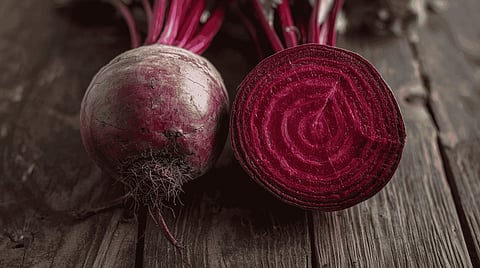

Beetroots can be an excellent choice if you desire to enhance detoxification, boost stamina, and regulate blood pressure control.

Regular consumption of beetroot juice can offer a vast range of key vitamins and minerals. The consumption of beetroot juice can prevent deficiencies of these nutrients. If you sip beetroot juice every day, you can get protein, fat, carbs, fibre, iron, magnesium, potassium, zinc, vitamin C, and folate, among others.
Beetroot juice may offer an array of health benefits that may include better blood pressure, improved liver profile, and increased athletic performance. Beetroot offers a unique nutritional profile with several powerful vitamins, minerals, and antioxidants. It contains bioactive compounds known as betalains that can benefit overall health. Regular consumption of beetroot juice can offer a vast range of key vitamins and minerals.
The consumption of beetroot juice can prevent deficiencies of these nutrients. If you sip beetroot juice every day, you can get protein, fat, carbs, fibre, iron, magnesium, potassium, zinc, vitamin C, and folate, among others. Beetroot juice can improve blood pressure as the vegetable contains large quantities of nitrates that the body converts into nitric oxide.
Prevents Anemia: Beetroot has adequate amounts of iron, a vital component of red blood cell. In the deficiency of iron, red blood cells cannot supply oxygen throughout the body. Iron-deficient individuals may face the condition known as iron deficiency anemia. Consuming sufficient sources of iron can alleviate this condition.
Symptoms of iron deficiency can cause dizziness, headache, tiredness, fast heartbeat, and breath shortness. According to a report featured in Medical News Today, one cup of beetroot juice can offer 1.41 mg of iron, approximately 8% of current recommended daily value of iron. 2
Protects Liver Health: According to a study featured in National Library of Medicine, “beetroot juice holds potential as an effective treatment for non-alcoholic fatty liver disease (NAFLD) in adults. Furthermore, the combination of beetroot juice with the Mediterranean diet showed enhanced efficacy in addressing NAFLD.” 2
Mediterranean diet contains fruits, vegetables, fish, poultry, and other lean meats (without skin), sources of omega-3 fatty acids, nuts, and legumes, added the study. Individuals who consumed beetroot juice alone or paired the juice with a Mediterranean diet for 12 weeks observed significant decline in hepatic steatosis, excess fat in the liver. Beetroot juice along with Mediterranean diet lead to improved efficacy for NAFLD.
Improves Athletic Performance: Presence of some specific compounds in beetroot juice, like nitrates and betalains can enhance athletic performance. Beetroot juice has emerged more efficient that nitrate salts at boosting physical workouts related outcomes. Beetroot juice is often taken prior to physical workouts as it may help enhance stamina and endurance.
Nitrates in beetroot can aid muscles use oxygen more effectively, potentially decreasing tiredness during physical activity. A large number of athletes rely on beetroot juice as a natural performance-supporting drink.
Prevents Cancer: Beetroot juice has the potential to stop tumour cell growth. However, current research does not include studies on human. The evidence came from animal and test tube studies. Beetroot juice has shown certain cancer-preventive effects. It is worth noting that beetroot juice cannot replace medicines or treat cancer.
Boosts Nutrient Intake: Beetroot juice offers essential nutrients such as folate, potassium, iron, and manganese. These nutrients support several body functions that may include energy production, muscle function, and overall wellness. Sipping beetroot juice can be an easy way to add more nutrients to the diet.
Presently, there is no specific or official dosage for beetroot juice. The amount of beetroot juice and its nutritional qualities differed in clinical trials. However, as per the report featured in Medical News Today, a daily dose between 200 to 800 ml of beetroot juice can reduce blood pressure in individuals with hypertension.
Beetroot juice is a versatile and nutrient-rich drink used for supporting energy, heart health, skin wellness, hydration, and overall nutrition. Including it in moderation as part of a healthy lifestyle can be a simple way to enjoy its potential benefits naturally.
Sipping beetroot juice every day can act as a powerful, natural booster for cardiovascular health by reducing blood pressure and enhancing exercise stamina, mainly due to presence of high nitrate levels that convert into nitric oxide to relax blood vessels. Regular intake of the juice can enhance nutrient intake but may cause harmless pink urine (beeturia) and increase the risk of kidney stones.
FAQs
How does beetroot juice help improve blood pressure?
Beetroot juice contains high quantities of nitrates which the body converts into nitric oxide. Nitric oxide relaxes and dilates blood vessels, leading to reduced blood pressure. Clinical reports suggest that consuming 200 to 800 ml of beetroot juice daily can help lower blood pressure in individuals with hypertension.
Can beetroot juice improve liver health and how?
Yes, beetroot juice has shown potential in improving liver health, particularly in non-alcoholic fatty liver disease (NAFLD). Studies indicate that consuming beetroot juice, especially when combined with a Mediterranean diet, can significantly reduce hepatic steatosis or excess fat in the liver.
What makes beetroot juice beneficial for athletic performance?
Beetroot juice contains nitrates and betalains that enhance muscle oxygen use and reduce fatigue during exercise. It is considered more efficient than nitrate salts in improving stamina and endurance, making it a popular natural supplement among athletes.
Are there any risks or side effects associated with daily beetroot juice consumption?
Daily consumption of beetroot juice is generally safe but may cause harmless pink discoloration in urine (beeturia). Additionally, due to its oxalate content, excessive intake might increase the risk of kidney stone formation in susceptible individuals.
How does beetroot juice compare to other nitrate sources for health benefits?
Beetroot juice is often regarded as superior to nitrate salts because it provides not only nitrates but also bioactive compounds like betalains, vitamins, and minerals. This combination enhances its ability to improve blood pressure, athletic performance, and overall nutrient intake naturally.
Medical News Today|What are the benefits of beetroot juice, and how much is healthy to drink?
National Library of Medicine|Comparing effects of beetroot juice and Mediterranean diet on liver enzymes and sonographic appearance in patients with non-alcoholic fatty liver disease: a randomized control trials
Disclaimer: This content is for general informational purposes only and should not replace professional medical advice. Always consult a qualified healthcare provider with any questions about your health or treatment options.
At marvelof.com, we spotlight the latest trends and products to keep you informed and inspired. Our coverage is editorial, not an endorsement to purchase. If you choose to shop through links in this article, whether on Amazon, Flipkart, or Myntra, marvelof.com may earn a small commission at no extra cost to you.