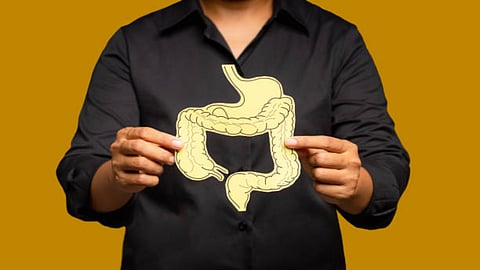

Gut health can affect digestive health, immune health, energy levels, mood, and even your metabolism.
Photo Credit: istockphoto

Many people ignore common digestive warning signs or habits that may negatively impact gut health over time. While occasional digestive issues are normal, persistent symptoms should not be overlooked.
Feeling bloating occasionally after a large and heavy meal is common. However, experiencing bloating after almost every meal should never be ignored.
Dr Saurabh Sethi, AIIMS-trained gastroenterologist and liver specialist, also educated at Harvard and Stanford, visited his Instagram account and highlighted the 5 hidden gut dangers that most people ignore.
Gut health can influence your overall health. Trillions of microorganisms reside in the digestive tract that may include bacteria, fungi, and virus. The complex ecosystem is also known as gut microbiome. It functions as a supportive organ that can break down carbohydrate, synthesize vital vitamins, and regulate immune response. Gut health can affect digestive health, immune health, energy levels, mood, and even your metabolism.
According to a study published in National Library of Medicine, “Gut bacteria play an important role in human health, such as supplying essential nutrients, synthesizing vitamin K, aiding in the digestion of cellulose, and promoting angiogenesis and enteric nerve function." 1
The autonomic nervous system, hypothalamic-pituitary-adrenal (HPA) axis, and nerves within the gastrointestinal (GI) tract, all link the gut and the brain, allowing the brain to influence intestinal activities, including activity of functional immune effector cells; and the gut to influence mood, cognition, and mental health, according to the National Library of Medicine study.
Recently, Dr Saurabh Sethi, AIIMS-trained gastroenterologist and liver specialist, also educated at Harvard and Stanford, visited his Instagram account and highlighted the 5 hidden gut dangers that most people ignore. 2
Many people ignore common digestive warning signs or habits that may negatively impact gut health over time. While occasional digestive issues are normal, persistent symptoms should not be overlooked.
1. Bloating After Every Meal: Dr Sethi said, “Most IBS (Irritable Bowel Syndrome) patients go 6+ years after symptoms begin before getting diagnosed.” Feeling bloating occasionally after a large and heavy meal is common. However, experiencing bloating after almost every meal should never be ignored. Frequent bloating may indicate IBS, poor digestion, food intolerance, imbalance in gut bacteria, and high intake of processed foods.
Many people begin to adjust with chronic bloating without investigating the root cause. If bloating persists or accompanied by pain, changes in bowel habits, or unexplained weight loss, it is crucial to seek medical advice.
2. Not Getting Enough Fibre: Fibre is one of the most significant nutrients for digestive health yet many individuals consume less than recommended amount. Dr Saurabh Sethi, “Only 7% of Americans hit the daily goal. Globally, 9 in 10 people fall short.”
Fibre helps in promoting regular bowel movements, feeds beneficial gut bacteria, supports digestive health, maintains healthy cholesterol levels, and improves satiety. Low fibre intake can lead to constipation, poor gut microbiome diversity, and digestive discomfort. It is important to add vegetables, legumes, whole grains, nuts, and seeds.
3. Taking Acid Blockers Long-Term: The gut doctor said, “70% of PPI prescription have no clear medical indication.” Proton Pump Inhibitors (PPIs) are prescription or over-the-counter medications that significantly reduce stomach acid production.
It is important to note that acid-blocking medications can be helpful for managing acid reflux and some digestive issue. But, prolonged use without any medical advice may have unfavourable outcomes. Stomach acids play a significant role in digesting food, absorbing nutrients, and protecting against dangerous microorganisms. Prolonged use of acid blockers may impact the absorption of nutrients like vitamin B12, calcium, magnesium, and iron in some people.
4. Skipping Your Colonoscopy: The doctor said, “colon cancer is the second deadliest cancer. One in three adults has never screened.” A large number of digestive diseases develop silently over years without apparent symptoms. Colonoscopy screen is one of the most powerful tools for detecting colon polyps, colorectal cancer, and other abnormalities at an initial stage.
However, fear, embarrassment, or lack or symptoms may lead individuals to postpone recommended screening. Early detection can improve cure outcomes and may even prevent disease progression.
5. Reaching For Laxatives Instead of Fixing The Root Cause: The gut doctor said, “Chronic constipation affects one in 7 people worldwide.” Constipation is a common complaint, and laxatives often provide quick relief. However, relying on them repeatedly without identifying the underlying issue can mask a larger problem.
Common causes of constipation include low fiber intake, insufficient hydration, sedentary lifestyle, certain medications, and underlying medical conditions. Addressing these root causes often provides more sustainable relief than repeatedly depending on laxatives.
FAQs
What are the hidden dangers of poor gut health?
Hidden dangers include persistent bloating after meals, insufficient fiber intake, long-term use of acid blockers, skipping colonoscopy screenings, and overreliance on laxatives. These issues can contribute to digestive disorders like IBS, nutrient deficiencies, colorectal cancer risks, and chronic constipation.
What symptoms indicate an unhealthy gut?
Common symptoms include frequent bloating, changes in bowel habits such as constipation or diarrhea, abdominal pain, unexplained weight loss, and digestive discomfort. Persistent symptoms should prompt medical evaluation to diagnose potential conditions like IBS or food intolerance.
How does poor gut health affect immunity?
Gut microbiome supports immune response by regulating functional immune cells in the gastrointestinal tract. Imbalance in gut bacteria can weaken immune defenses, leading to increased susceptibility to infections and impaired nutrient absorption essential for immune function.
Can gut problems impact mental health and energy levels?
Yes. The gut-brain axis links the gastrointestinal system with mood, cognition, and energy regulation. Poor gut health can influence mental health conditions such as anxiety or depression and contribute to fatigue by disrupting nutrient absorption and immune regulation.
How can you improve gut health naturally?
Improving gut health involves eating a fiber-rich diet with vegetables, legumes, whole grains, nuts, and seeds, staying hydrated, avoiding long-term use of acid blockers without medical guidance, attending recommended colonoscopy screenings, and addressing constipation by targeting root causes rather than relying on laxatives.
National Library of Medicine|The Gut-Brain Axis: Influence of Microbiota on Mood and Mental Health
Dr Saurabh Sethi, AIIMS-trained gastroenterologist and liver specialist, also educated at Harvard and Stanford via Instagram|5 hidden gut dangers that most people ignore
Disclaimer: This content is for general informational purposes only and should not replace professional medical advice. Always consult a qualified healthcare provider with any questions about your health or treatment options.
At marvelof.com, we spotlight the latest trends and products to keep you informed and inspired. Our coverage is editorial, not an endorsement to purchase. If you choose to shop through links in this article, whether on Amazon, Flipkart, or Myntra, marvelof.com may earn a small commission at no extra cost to you.