
Hyperpigmentation occurs due to the overproduction of melanin in the skin, but it can be treated using creams, serums and treatments.
Photo Credit: Amazon.in
Hyperpigmentation occurs when melanin is produced unevenly or in excess. It causes dark spots, patches, or an uneven skin tone. It is very common and can happen to anyone, regardless of age or skin type. However, there is nothing to worry about, as hyperpigmentation is treatable with creams containing key actives, anti-pigmentation creams or serums, and certain dermatologist-prescribed treatments.
Skin pigmentation determines the colour of the skin and is influenced by the natural pigment melanin that the body produces. When this pigment is produced unevenly or in excess, it can lead to dark spots, patches, or an uneven skin tone. This condition is called hyperpigmentation. “Hyper” means more, and “pigment” means colour. It is very common and can happen to anyone, regardless of age or skin type.
Hyperpigmentation can appear in different forms, such as brown, black, grey, red, or pink spots or patches. For example, you may notice dark spots after acne heals. Sun exposure can also cause sun spots or age spots. Another common type is melasma, which often appears as larger patches on the cheeks, forehead, or upper lip. However, there is nothing to worry about, as such spots can be treated with anti-pigmentation creams.
These specialised creams target hyperpigmentation by reducing the production of excessive melanin, which in turn helps restore a more even complexion. They also lighten dark spots and patches, prevent new pigmentation from forming, and provide hydration and skin barrier support. So, what should you look for when choosing an anti-pigmentation cream?
When choosing an anti-pigmentation cream, it is important to focus on the ingredients rather than just the brand name. Actives known to help reduce dark spots and even out skin tone include niacinamide, vitamin C, alpha arbutin, glycolic acid (AHA), azelaic acid, kojic acid and retinoids (retinol).
Another important factor to consider while choosing an anti-pigmentation cream is your skin type. If you have sensitive skin, look for creams with brightening actives paired with calming ingredients like ceramides, vitamin E and hyaluronic acid.
Additionally, look for creams that contain Sun Protection Factor (SPF) to protect your skin from sun damage while helping reduce dark spots, or ensure you use sunscreen alongside your treatment. Make sure to choose products that are non-comedogenic if you have oily or acne-prone skin. Always do a patch test before using a new product to check its suitability.
There is no overnight solution to treating hyperpigmentation. It requires patience and consistency. Here is what you can do to reduce hyperpigmentation or prevent it from occurring in the first place.
The first and foremost step is protecting yourself from sun exposure. You can either avoid going out in the sun, if possible, or ensure you apply and reapply sunscreen and wear protective clothing. Even while staying indoors, make sure to use a broad-spectrum sunscreen.
Follow a simple skincare routine. Cleanse your face gently twice a day, use a toner suitable for your skin type, and then apply an anti-pigmentation cream or serum. Also, keep your skin moisturised.
Individuals with mild hyperpigmentation and uneven skin tone can use facial acids with key ingredients such as Glycolic Acid (AHA), Salicylic Acid (BHA), Lactic Acid, or Azelaic Acid to exfoliate the uppermost layer of the skin.
If you have melasma, you can use retinoids that accelerate skin cell turnover and inhibit melanin production. They also promote collagen production.
Those with stubborn pigmentation can opt for treatments like chemical peels, laser therapy, or microdermabrasion, which can help address pigmentation more effectively. These should always be done under the guidance of a specialist.
Avoid picking at pimples or scratching your skin, as this can worsen pigmentation.
Make sure to drink enough water and maintain a nutritious, well-rounded diet, which can help replenish the body and mitigate free radical damage. Include more fruits and vegetables in your diet.
If you want to buy a cream to reduce hyperpigmentation, check out our picks below.
The Dermatouch cream is a simple, affordable and effective solution for reducing dark spots and uneven skin tone. It contains ingredients like niacinamide, lime pearl and hidroxitirosol, which help slow down melanin production and lighten pigmentation. It is suitable for both men and women. This cream helps improve skin texture and brighten the skin. With regular use, it helps fade blemishes, age spots and dullness.

It contains niacinamide that helps slow down melanin production.
Photo Credit: Amazon.in
Another affordable, lightweight formula, this Asaya cream helps reduce dark spots and improve uneven skin tone. It contains MelaMe Complex and Alpha Arbutin, which control excess melanin production and fade existing pigmentation caused by sun damage, acne marks, or breakouts. The cream also contains ceramides that help repair and strengthen the skin barrier. It is suitable for all skin types and can be used by both women and men.
It contains MelaMe Complex and Alpha Arbutin, which control melanin production.
Photo Credit: Amazon.in
Do not want your skin to feel weighed down by multiple products? Then pick this cream from Lakme, which is designed to give brighter, more even-toned skin. It comes with a triple-action formula that repairs, reduces pigmentation and protects the skin. It has niacinamide and Hexyl Resorcinol, which help control melanin production and fade dark spots. It also contains antioxidants and SPF 20 PA++.
It has niacinamide and Hexyl Resorcinol, which help control melanin production.
Photo Credit: Amazon.in
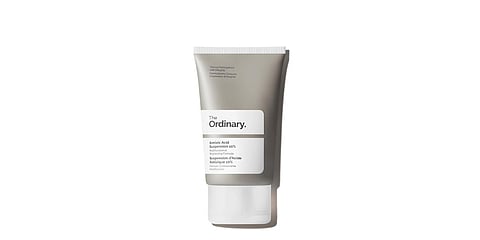
This cream from The Ordinary is helpful for reducing uneven skin tone and dullness. It contains azelaic acid, which is a powerful antioxidant that helps brighten the skin and reduce the appearance of blemishes and rough texture. The lightweight formula works to smooth the skin and make it look clearer and more radiant. It is suitable for all skin types and can be used daily in both AM and PM routines. Make sure to apply sunscreen in the morning.
It contains azelaic acid that reduces the appearance of blemishes.
Photo Credit: Amazon.in
This Conscious Chemist anti-pigmentation cream is suitable for both men and women. It contains kojic acid, azelaic acid, niacinamide and tranexamic acid, which help reduce dark spots and even out skin tone. This cream is also useful in controlling melanin production, fading pigmentation and repairing skin damaged by sun exposure. It also improves skin texture and reduces the appearance of enlarged pores. It is fragrance-free and suitable for all skin types.
It contains kojic acid, azelaic acid, niacinamide, and tranexamic acid.
Photo Credit: Amazon.in
Skin pigmentation has become a common concern among women. Factors such as sun exposure and hormonal changes can lead to an uneven skin tone and dark spots. Pigmentation and hyperpigmentation can be treated with a variety of products, including creams and serums. To pick the best one for yourself, let us first understand the difference between them.
Creams have a thick formulation that is designed to hydrate the skin and protect its surface. They can calm and soothe the skin. The only disadvantage of anti-pigmentation creams is that they contain a lower concentration of active ingredients needed to treat pigmentation, as compared to serums. These creams are made for more surface-level repair rather than deep penetration.
As for serums, they are ideal if you are looking to apply a higher concentration of active ingredients directly onto your skin. Serums penetrate deeper into the skin and treat signs of pigmentation from within. The main drawback of serums is that they might cause irritation if the formulation is not suitable for your skin. So, it is best advised to test them on a small patch of your skin before applying them to the entire face.
For best results, we suggest using a combination of creams and serums. First, use a serum and then a cream that provides hydration as well.
The best treatment for pigmentation depends on what caused it in the first place – whether it is due to sun exposure, acne marks, or melasma – and treating it accordingly. Dermatologists suggest a combination approach. Based on an individual’s skin type and the severity of pigmentation, experts advise topical agents, chemical peels and in-clinic procedures to effectively reduce melanin overproduction and restore an even skin tone.
The best treatment for pigmentation can include a combination of daily SPF, topical agents like hydroquinone, retinoids, vitamin C and azelaic acid, alongside professional procedures like laser therapy and chemical peels.
While dark spots can be reduced or removed using professional treatments like chemical peels and laser therapy, hyperpigmentation cannot always be fully cured. Several factors cause excessive production of melanin and its uneven distribution, including sun damage, inflammation and hormonal changes. As these cannot always be controlled, it is not possible to cure pigmentation permanently.
If you are looking for the best face cream to counter pigmentation, look for formulations that contain hydroquinone, which is effective in inhibiting melanin production. It should also include retinoids that speed up cell turnover, kojic acid that acts as a natural lightener and azelaic acid that helps reduce inflammation.
What causes hyperpigmentation on the skin?
Hyperpigmentation is caused by excess or uneven production of melanin, the natural pigment responsible for skin colour. Factors such as sun exposure, acne healing and hormonal changes can lead to dark spots, patches, or an uneven skin tone known as hyperpigmentation.
Which ingredients should I look for in an anti-pigmentation cream?
Look for creams containing proven actives such as niacinamide, vitamin C, alpha arbutin, glycolic acid (AHA), azelaic acid, kojic acid, or retinoids. These ingredients help reduce melanin production, exfoliate dead skin cells, and brighten the skin.
Is sun protection necessary when treating hyperpigmentation?
Absolutely. Sunscreen or creams with SPF are essential to protect the skin from UV damage, which can worsen hyperpigmentation or cause new spots. Broad-spectrum sun protection should be applied daily, even indoors.
Can anti-pigmentation creams be used on sensitive skin?
Yes. For sensitive skin, choose creams that combine brightening agents with calming ingredients like ceramides, vitamin E, and hyaluronic acid to reduce irritation while effectively lightening pigmentation.
How should I incorporate anti-pigmentation cream into my skincare routine?
After cleansing and toning your face, apply the anti-pigmentation cream or serum, followed by a moisturiser. Use sunscreen during the day. Consistency and gentle care are key to improving pigmentation.
What is the typical time frame for seeing results with anti-pigmentation treatments?
Results require patience and consistency; noticeable improvement often takes several weeks to months as the skin gradually evens out melanin distribution and heals from pigmentation.
At marvelof.com, we spotlight the latest trends and products to keep you informed and inspired. Our coverage is editorial, not an endorsement to purchase. If you choose to shop through links in this article, whether on Amazon, Flipkart, or Myntra, marvelof.com may earn a small commission at no extra cost to you.