
How Modern Lifestyles Are Fuelling the Rat Snacking Trend and What You Can Do About It
Credit: istockphoto

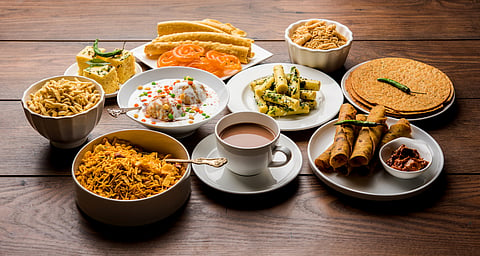
Rat snacking is the habit of constant, unplanned nibbling throughout the day, often driven by stress, boredom, or convenience rather than true hunger. Unlike mindful snacking, it usually involves processed foods like chips, biscuits, or sugary drinks, which can disrupt digestion, overload metabolism, and lead to weight gain. Social media trends and irregular schedules have further normalized this grazing behaviour. While occasional healthy snacks can support energy, mindless grazing harms long-term health. Breaking the cycle requires structured meals, portion control, and mindful eating to restore balance and prevent emotional or stress-driven food choices.
In today’s fast-paced lifestyle, eating patterns have shifted dramatically. One emerging trend is ‘rat snacking’, a term used to describe the habit of constantly nibbling on small portions of food throughout the day, often without genuine hunger. While it may sound quirky, this behaviour has serious implications for health, digestion, and overall well-being.
Understanding what rat snacking means, why it happens, and how to manage it is essential for anyone aiming to maintain a balanced diet.
Rat snacking refers to mindless grazing, the act of eating small bites repeatedly instead of structured meals. Unlike planned snacking, which can be healthy, rat snacking is usually unplanned and driven by convenience or emotion. It often involves processed foods like chips, biscuits, or sugary drinks, consumed in irregular intervals. Nutritionists liken it to the scavenging behaviour of rats, who constantly search for food scraps rather than eating full meals.
Several factors contribute to this habit:
Stress and boredom: Emotional triggers often push people to eat for comfort rather than hunger.
Convenience culture: Packaged snacks are easily available, making grazing effortless.
Irregular schedules: Busy work routines or late nights lead to skipped meals and reliance on quick bites.
Social media influence: Social media platforms popularize quirky snack combinations, normalizing constant nibbling.
Though it may feel harmless, rat snacking can have long-term consequences:
Excess calorie intake: Small portions add up, leading to weight gain.
Poor digestion: Continuous eating prevents the digestive system from resting.
Metabolic issues: Frequent grazing can contribute to insulin resistance and fatigue.
Mental health impact: Emotional eating patterns often worsen stress and irregular routines.
Interestingly, rat snacking isn’t always negative. If approached mindfully, it can support energy levels:
Choosing healthy snacks like fruits, nuts, or yogurt.
Practicing portion control to avoid overeating.
Opting for balanced choices that complement structured meals.
The key difference lies in intentional eating versus mindless grazing.
Rat snacking is more than just a quirky term, it reflects a growing pattern of constant, unplanned nibbling that can disrupt health and lifestyle. While occasional healthy snacking is fine, mindless grazing on processed foods can lead to weight gain, poor digestion, and metabolic issues.
By recognizing triggers and adopting mindful eating practices, individuals can break free from this cycle and restore balance to their diet. In the end, food should nourish the body, not become a reflexive habit.
At marvelof.com, we spotlight the latest trends and products to keep you informed and inspired. Our coverage is editorial, not an endorsement to purchase. If you choose to shop through links in this article, whether on Amazon, Flipkart, or Myntra, marvelof.com may earn a small commission at no extra cost to you.